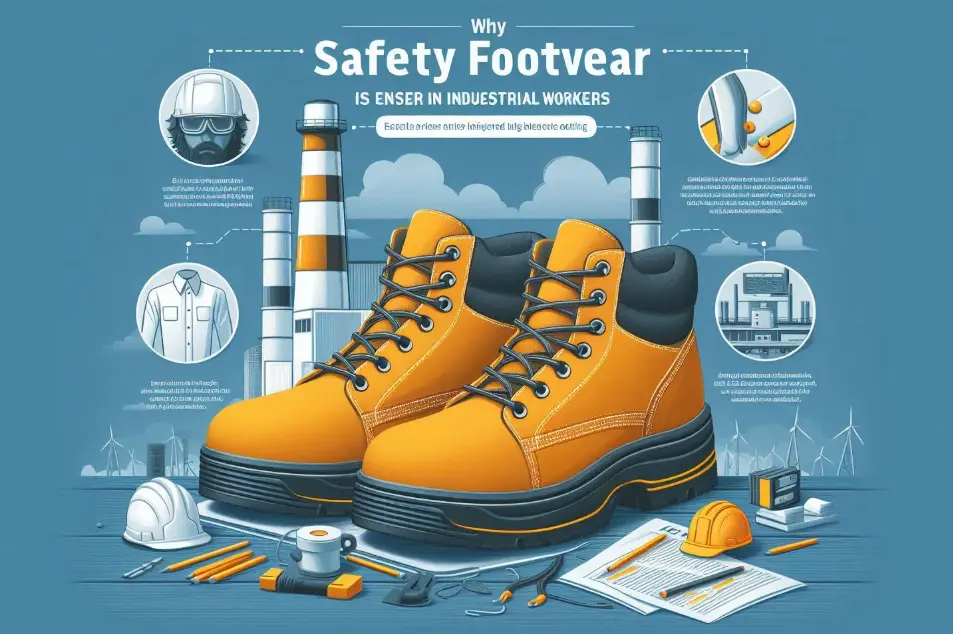
Footwear safety refers to the design, selection, and use of protective shoes and boots that minimize risks from workplace hazards, such as slips, falls, punctures, electrical shocks, and chemical exposures. Proper footwear is essential in industries like construction, manufacturing, healthcare, and food service to prevent injuries and comply with safety regulations.
The primary goal of safety footwear is to protect the feet from physical, chemical, and thermal dangers. Key hazards include sharp objects, heavy machinery, slippery surfaces, and extreme temperatures. For instance, steel-toe boots can prevent crush injuries, while slip-resistant soles reduce the risk of falls in wet environments.
Common types of safety footwear include:
– Steel-toe shoes: Protect against impact and compression from falling objects.
– Metatarsal guards: Shield the upper foot from heavy impacts.
– Electrical hazard (EH) footwear: Insulates against electric shocks.
– Chemical-resistant boots: Prevent penetration from hazardous substances.
– Puncture-resistant soles: Guard against nails and sharp debris.
Standards and certifications ensure quality and reliability. In the U.S., the American National Standards Institute (ANSI) and ASTM International set guidelines, such as ANSI Z41 for protective footwear. In Europe, EN ISO 20345 and 20346 standards apply. Always check for labels indicating compliance with these standards.
Selecting the right footwear involves assessing job-specific risks, ensuring a proper fit, and considering comfort for prolonged wear. Footwear should be lightweight, breathable, and allow for natural movement to avoid fatigue. Regular inspections are crucial; look for signs of wear, such as cracked soles or damaged uppers, and replace as needed.
Maintenance is key to longevity and effectiveness. Clean footwear regularly, store in a dry place, and follow manufacturer guidelines for repairs. Employees should be trained on proper use and the importance of wearing safety footwear at all times in designated areas.
By prioritizing footwear safety, organizations can reduce accidents, lower workers’ compensation claims, and foster a culture of prevention. Always consult safety experts or regulations specific to your industry for tailored recommendations.
Table of Contents
- Part 1: OnlineExamMaker AI Quiz Maker – Make A Free Quiz in Minutes
- Part 2: 20 Footwear Safety Quiz Questions & Answers
- Part 3: Save Time and Energy: Generate Quiz Questions with AI Technology
Part 1: OnlineExamMaker AI Quiz Maker – Make A Free Quiz in Minutes
Still spend a lot of time in editing questions for your next Footwear Safety assessment? OnlineExamMaker is an AI quiz maker that leverages artificial intelligence to help users create quizzes, tests, and assessments quickly and efficiently. You can start by inputting a topic or specific details into the OnlineExamMaker AI Question Generator, and the AI will generate a set of questions almost instantly. It also offers the option to include answer explanations, which can be short or detailed, helping learners understand their mistakes.
What you may like:
● Automatic grading and insightful reports. Real-time results and interactive feedback for quiz-takers.
● The exams are automatically graded with the results instantly, so that teachers can save time and effort in grading.
● LockDown Browser to restrict browser activity during quizzes to prevent students searching answers on search engines or other software.
● Create certificates with personalized company logo, certificate title, description, date, candidate’s name, marks and signature.
Automatically generate questions using AI
Part 2: 20 Footwear Safety Quiz Questions & Answers
or
1. Question: What is the main purpose of steel-toe boots in a workplace?
A. To protect against electrical hazards
B. To prevent slips on oily surfaces
C. To shield toes from impact and compression
D. To provide comfort for long walks
Answer: C
Explanation: Steel-toe boots are specifically designed to protect the toes from falling objects or heavy compression, reducing the risk of foot injuries in industrial environments.
2. Question: Which type of footwear is recommended for environments with chemical spills?
A. Canvas sneakers
B. Chemical-resistant boots
C. Leather work shoes
D. Sandals with straps
Answer: B
Explanation: Chemical-resistant boots are made from materials that prevent hazardous substances from penetrating, thus protecting the feet from burns, irritation, or absorption of chemicals.
3. Question: Why should safety footwear have slip-resistant soles?
A. To improve fashion appeal
B. To reduce the risk of slipping on wet or oily floors
C. To make walking faster
D. To protect against punctures
Answer: B
Explanation: Slip-resistant soles provide better traction on slippery surfaces, helping to prevent falls and injuries in workplaces like kitchens or factories.
4. Question: What does the ASTM standard F2413 cover for footwear?
A. Aesthetic design of shoes
B. Performance requirements for protective footwear
C. Comfort levels for daily wear
D. Material colors for visibility
Answer: B
Explanation: ASTM F2413 outlines the minimum performance criteria for footwear to protect against hazards like impact, compression, and electrical risks in occupational settings.
5. Question: In electrical work, what feature should safety footwear have?
A. Non-slip treads
B. Electrical hazard (EH) rating
C. High heels for balance
D. Open toes for ventilation
Answer: B
Explanation: Footwear with an EH rating is insulated to reduce the risk of electric shock by preventing current from passing through the sole to the wearer.
6. Question: Why is it important to ensure safety footwear fits properly?
A. To match the latest trends
B. To prevent blisters and ensure stability during movement
C. To reduce the weight of the shoe
D. To allow for easy removal
Answer: B
Explanation: Proper fit prevents foot fatigue, blisters, and instability, which could lead to accidents, while also ensuring the protective features function effectively.
7. Question: Which material is commonly used in metatarsal guards for footwear?
A. Fabric
B. Plastic or metal
C. Rubber
D. Cotton
Answer: B
Explanation: Metatarsal guards made from plastic or metal protect the upper foot from impacts, such as from rolling or pinching hazards in construction sites.
8. Question: What hazard do puncture-resistant insoles protect against?
A. Slipping on floors
B. Sharp objects penetrating the sole
C. Chemical exposure
D. High temperatures
Answer: B
Explanation: Puncture-resistant insoles, often made with steel or composite materials, prevent nails or other sharp objects from piercing through and injuring the foot.
9. Question: When should safety footwear be replaced?
A. Every six months regardless of condition
B. When it shows signs of wear, such as cracks or reduced protection
C. Only after five years of use
D. When it becomes unfashionable
Answer: B
Explanation: Worn-out footwear loses its protective qualities, so regular inspection and replacement ensure continued safety against hazards like impacts or slips.
10. Question: What is the role of dielectric footwear?
A. To provide warmth in cold environments
B. To insulate against electrical currents
C. To enhance speed during running
D. To resist water absorption
Answer: B
Explanation: Dielectric footwear is designed to insulate the wearer from electrical currents, making it essential for workers in high-voltage areas to prevent electrocution.
11. Question: Why are static-dissipative shoes used in certain industries?
A. To prevent static electricity buildup that could ignite flammable materials
B. To make shoes lighter
C. To improve grip on dry surfaces
D. To add extra cushioning
Answer: A
Explanation: Static-dissipative shoes allow controlled dissipation of static electricity, reducing the risk of sparks in environments with explosive vapors or dust.
12. Question: Which footwear feature helps in cold weather conditions?
A. Open mesh design
B. Insulated lining
C. Thin soles
D. Non-waterproof materials
Answer: B
Explanation: Insulated linings in footwear trap body heat and protect against frostbite or cold-related injuries in outdoor or refrigerated work environments.
13. Question: What does OSHA require for footwear in general industry?
A. All employees must wear high heels
B. Employers must assess hazards and provide appropriate protective footwear
C. Footwear must be brightly colored
D. Only sneakers are allowed
Answer: B
Explanation: OSHA standards mandate that employers evaluate workplace hazards and ensure workers use footwear that protects against identified risks, such as falls or impacts.
14. Question: How can improper footwear contribute to workplace accidents?
A. By making the worker look unprofessional
B. By increasing the risk of trips, slips, or inadequate protection
C. By adding extra weight to carry
D. By requiring frequent breaks
Answer: B
Explanation: Improper footwear can lead to slips, trips, or failure to protect against hazards, directly contributing to injuries in dynamic work settings.
15. Question: What is the benefit of waterproof safety boots?
A. They prevent overheating in warm climates
B. They keep feet dry and protect against waterborne contaminants
C. They reduce the need for socks
D. They enhance jumping ability
Answer: B
Explanation: Waterproof boots shield feet from moisture, preventing slips, infections, or hypothermia in wet conditions like construction sites or rainy outdoor work.
16. Question: Why should safety footwear include a closed heel?
A. For better aesthetic design
B. To provide ankle support and prevent heel injuries from hazards
C. To make the shoe easier to put on
D. To allow for air circulation
Answer: B
Explanation: A closed heel design offers stability and protection against rolling objects or backward forces, reducing the chance of sprains or injuries.
17. Question: In laboratories, what type of footwear is often required?
A. Open-toed sandals
B. Closed shoes with chemical resistance
C. High-heeled boots
D. Bare feet for sensitivity
Answer: B
Explanation: Closed shoes with chemical-resistant materials protect against spills of corrosive substances, preventing skin contact and potential burns.
18. Question: What should be checked when inspecting safety footwear?
A. Only the color and style
B. Soles for wear, straps for integrity, and overall protective features
C. The brand label
D. The weight of the shoe
Answer: B
Explanation: Regular inspections ensure that soles, straps, and protective elements are intact, maintaining the footwear’s ability to safeguard against hazards.
19. Question: How does anti-fatigue technology in footwear help workers?
A. By making shoes more colorful
B. By reducing foot and leg strain during prolonged standing
C. By increasing shoe size
D. By adding unnecessary weight
Answer: B
Explanation: Anti-fatigue features, like cushioned insoles, absorb shock and promote blood circulation, helping to prevent exhaustion and related injuries over long shifts.
20. Question: What is the primary risk of wearing non-safety footwear in a construction site?
A. Fashion mismatches
B. Exposure to falling objects, punctures, or electrical hazards without protection
C. Increased comfort
D. Better mobility
Answer: B
Explanation: Non-safety footwear lacks essential protective elements, increasing the likelihood of injuries from common construction hazards like drops or sharp materials.
or
Part 3: Save Time and Energy: Generate Quiz Questions with AI Technology
Automatically generate questions using AI