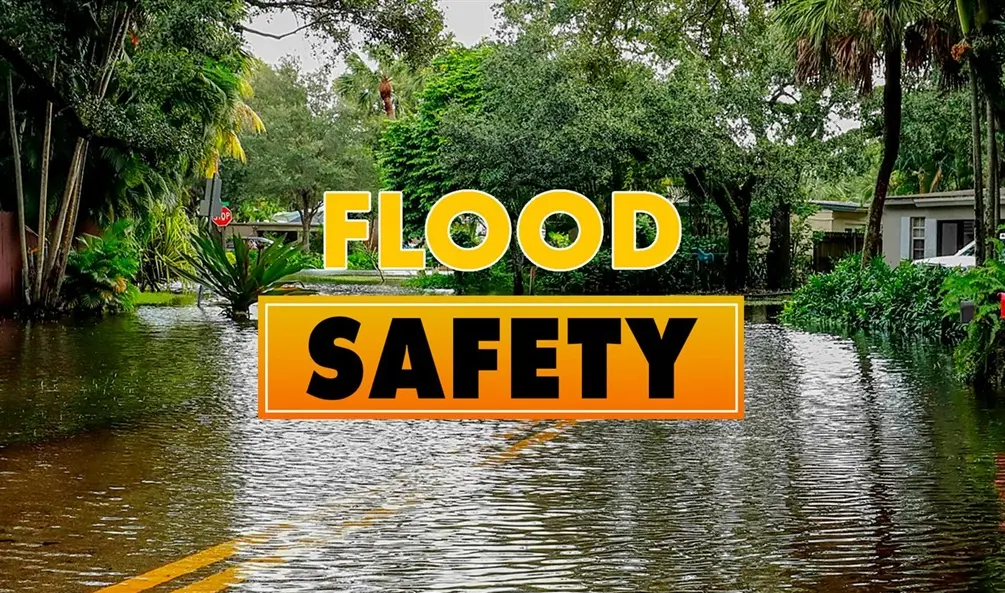
Flood safety is essential for protecting lives and property in flood-prone areas. Floods occur when water overflows onto normally dry land, often due to heavy rainfall, storm surges, or dam failures, and they can strike quickly or build over time. To prepare, create an emergency kit with non-perishable food, water for at least three days, medications, flashlights, and important documents; identify evacuation routes and practice your family plan; and install flood barriers or elevate utilities in your home if possible.
During a flood, heed warnings from authorities and move to higher ground immediately—never drive or walk through floodwaters, as just six inches of moving water can knock you down, and hidden hazards like debris or currents pose serious risks. If trapped indoors, go to the highest level without entering the attic unless necessary, and call emergency services. Avoid electrical hazards by turning off utilities if safe to do so.
After the flood, wait for official clearance before returning home, as waters may recede slowly and leave behind contaminated mud or weakened structures. Inspect for damage, boil water for drinking, and seek medical attention for any injuries or exposure to contaminated water. Stay informed through reliable sources like weather apps or local alerts, and consider flood insurance to mitigate future financial impacts. By being proactive and cautious, you can significantly reduce the dangers associated with floods.
Table of Contents
- Part 1: OnlineExamMaker AI Quiz Maker – Make A Free Quiz in Minutes
- Part 2: 20 Flood Safety Quiz Questions & Answers
- Part 3: AI Question Generator – Automatically Create Questions for Your Next Assessment
Part 1: OnlineExamMaker AI Quiz Maker – Make A Free Quiz in Minutes
Still spend a lot of time in editing questions for your next Flood Safety assessment? OnlineExamMaker is an AI quiz maker that leverages artificial intelligence to help users create quizzes, tests, and assessments quickly and efficiently. You can start by inputting a topic or specific details into the OnlineExamMaker AI Question Generator, and the AI will generate a set of questions almost instantly. It also offers the option to include answer explanations, which can be short or detailed, helping learners understand their mistakes.
What you may like:
● Automatic grading and insightful reports. Real-time results and interactive feedback for quiz-takers.
● The exams are automatically graded with the results instantly, so that teachers can save time and effort in grading.
● LockDown Browser to restrict browser activity during quizzes to prevent students searching answers on search engines or other software.
● Create certificates with personalized company logo, certificate title, description, date, candidate’s name, marks and signature.
Automatically generate questions using AI
Part 2: 20 Flood Safety Quiz Questions & Answers
or
1. What is the best way to prepare for a potential flood in your area?
A. Build a sandbag barrier around your home.
B. Move valuable items to higher ground.
C. Ignore weather warnings until flooding occurs.
D. Wait for emergency services to handle everything.
Correct Answer: B
Explanation: Moving valuable items to higher ground reduces the risk of damage from floodwaters, as floods can rise quickly and cause significant loss.
2. During a flood warning, what should you do if you live in a flood-prone area?
A. Go outside to assess the water levels.
B. Evacuate immediately if instructed by authorities.
C. Turn off all electrical appliances and wait.
D. Drive through flooded roads to escape.
Correct Answer: B
Explanation: Evacuating immediately when instructed saves lives, as floodwaters can be unpredictable and rise rapidly, making it dangerous to delay.
3. What is the primary purpose of a flood watch?
A. To indicate that flooding is happening now.
B. To warn that flooding is possible in your area.
C. To confirm that the flood has ended.
D. To provide updates on flood recovery efforts.
Correct Answer: B
Explanation: A flood watch means conditions are favorable for flooding, giving people time to prepare and monitor the situation closely.
4. If you are caught in a vehicle during a flood, what should you do?
A. Drive through the water quickly.
B. Abandon the vehicle and move to higher ground.
C. Stay in the vehicle and wait for help.
D. Open the windows to let water out.
Correct Answer: B
Explanation: Floodwaters can sweep vehicles away, so moving to higher ground immediately is crucial to avoid being carried by the current.
5. How can you protect your home from flood damage?
A. Install flood barriers or seals on doors.
B. Paint the walls with waterproof paint only.
C. Leave drains open to let water flow through.
D. Remove all furniture from the house.
Correct Answer: A
Explanation: Installing flood barriers or seals helps prevent water entry, reducing potential damage to the structure and contents of the home.
6. What should you include in a flood emergency kit?
A. Non-perishable food, water, and a first-aid kit.
B. Heavy jewelry and cash only.
C. Electronics without batteries.
D. Gardening tools and outdoor gear.
Correct Answer: A
Explanation: A flood emergency kit should contain essentials like non-perishable food and water to sustain you for at least 72 hours during or after a flood.
7. Is it safe to walk through floodwaters that are 6 inches deep?
A. Yes, as long as you wear boots.
B. No, because it can sweep you off your feet.
C. Yes, if the water is moving slowly.
D. No, but only if it’s raining.
Correct Answer: B
Explanation: Even 6 inches of fast-moving water can knock you over and carry you away, potentially leading to injury or drowning.
8. After a flood, when is it safe to return to your home?
A. Immediately after the water recedes.
B. When authorities declare it safe.
C. As soon as the rain stops.
D. Never, until you rebuild.
Correct Answer: B
Explanation: Returning only when authorities confirm it’s safe prevents risks from contaminated water, structural damage, or ongoing hazards.
9. What does the term “flash flood” mean?
A. A flood that lasts for a long time.
B. A sudden and violent flood after heavy rain.
C. A flood in a river during the day.
D. A slow-rising flood in coastal areas.
Correct Answer: B
Explanation: Flash floods occur quickly and without warning, often due to heavy rainfall, making them extremely dangerous.
10. How should you purify water after a flood?
A. Boil it for at least one minute.
B. Add bleach without measuring.
C. Drink it directly from a puddle.
D. Filter it through a coffee filter.
Correct Answer: A
Explanation: Boiling water kills most pathogens and makes it safe to drink, especially after floods when water sources may be contaminated.
11. What is the safest place to be during a flood if you cannot evacuate?
A. In the basement.
B. On the highest floor of your building.
C. Near a window for escape.
D. Outside in an open field.
Correct Answer: B
Explanation: The highest floor minimizes exposure to rising floodwaters, providing a safer refuge until help arrives.
12. Why should you avoid floodwaters with electrical hazards?
A. It might cause a power outage.
B. Electrocution can occur if water contacts live wires.
C. It only affects outdoor lights.
D. Water insulates electricity.
Correct Answer: B
Explanation: Floodwaters can conduct electricity from downed power lines, leading to electrocution, so it’s critical to stay away.
13. What should you do if you see a flooded road while driving?
A. Drive through it slowly.
B. Turn around and find another route.
C. Speed up to cross quickly.
D. Wait in your car for the water to subside.
Correct Answer: B
Explanation: Flooded roads can hide hazards like washed-out pavement, and even shallow water can stall your vehicle or sweep it away.
14. How often should you check your flood insurance policy?
A. Once a year.
B. Only after a flood occurs.
C. Never, if you don’t live near water.
D. Every five years.
Correct Answer: A
Explanation: Reviewing your policy annually ensures it covers current needs and any changes in flood risk for your area.
15. What is the main health risk from floodwaters?
A. Sunburn from reflection.
B. Contamination by bacteria and chemicals.
C. Dehydration from heat.
D. Allergies from wet plants.
Correct Answer: B
Explanation: Floodwaters often carry sewage, chemicals, and debris that can cause infections or diseases if they contact skin or are ingested.
16. If your home is flooded, when should you use a generator?
A. Inside the house for heating.
B. Outside, away from windows and doors.
C. In the garage with the door closed.
D. Submerged in water for cooling.
Correct Answer: B
Explanation: Using a generator outside and away from enclosed spaces prevents carbon monoxide poisoning, which is a common risk after floods.
17. What should you do with contaminated items after a flood?
A. Clean them with regular soap and water.
B. Disinfect them properly or dispose of them.
C. Reuse them immediately.
D. Sell them as is.
Correct Answer: B
Explanation: Contaminated items can spread illness, so disinfecting or disposing of them safely is essential to protect health.
18. How can you stay informed about flood risks?
A. Rely on social media rumors.
B. Sign up for alerts from local weather services.
C. Wait for neighbors to tell you.
D. Check the news only during storms.
Correct Answer: B
Explanation: Official alerts from weather services provide accurate, timely information to help you prepare for and respond to floods.
19. What is the recommended depth of water to avoid when walking?
A. Less than 1 foot.
B. Any moving water, regardless of depth.
C. Only water deeper than 3 feet.
D. Stagnant water up to 2 feet.
Correct Answer: B
Explanation: Even shallow moving water can be dangerous due to strong currents that can knock you down or carry you away.
20. Why is it important to document flood damage?
A. To share photos on social media.
B. For insurance claims and recovery assistance.
C. To prove you were affected to friends.
D. To delay repairs.
Correct Answer: B
Explanation: Documenting damage helps with insurance claims and accessing government aid, ensuring you can recover financially from the flood.
or
Part 3: AI Question Generator – Automatically Create Questions for Your Next Assessment
Automatically generate questions using AI