First aid is the immediate care given to an injured or ill person until professional medical help arrives. It plays a crucial role in saving lives, preventing conditions from worsening, and minimizing long-term damage.
Key Principles of First Aid Safety:
– Assess the Scene First: Before approaching, ensure the area is safe from hazards like traffic, fire, or electrical risks. If it’s unsafe, do not proceed until help arrives.
– Protect Yourself: Wear gloves, masks, or other barriers to avoid exposure to blood, bodily fluids, or other contaminants. Wash your hands thoroughly before and after providing aid.
– Call for Help Early: Dial emergency services (e.g., 911 in many countries) immediately if the situation is serious, such as unconsciousness, severe bleeding, or difficulty breathing.
– Stay Calm and Organized: Act quickly but methodically. Prioritize life-threatening issues like airway, breathing, and circulation (ABC rule).
Common First Aid Techniques and Safety Tips:
– For Bleeding: Apply direct pressure with a clean cloth. Elevate the wound if possible, but avoid if you suspect a fracture.
– For Choking: Perform the Heimlich maneuver if the person is conscious and choking on an object. Ensure your technique is correct to avoid injury.
– For Burns: Cool the affected area with running water for at least 10 minutes, but do not use ice or apply creams initially.
– For Fractures or Sprains: Immobilize the injured area with a splint, but do not attempt to realign bones yourself.
– CPR and AED Use: If trained, perform chest compressions and rescue breaths. Use an automated external defibrillator (AED) if available, following device instructions to ensure safety.
General Safety Precautions:
– Always use sterile or clean materials when possible to prevent infection.
– Be aware of your own limitations; if unsure, focus on basic support rather than advanced procedures.
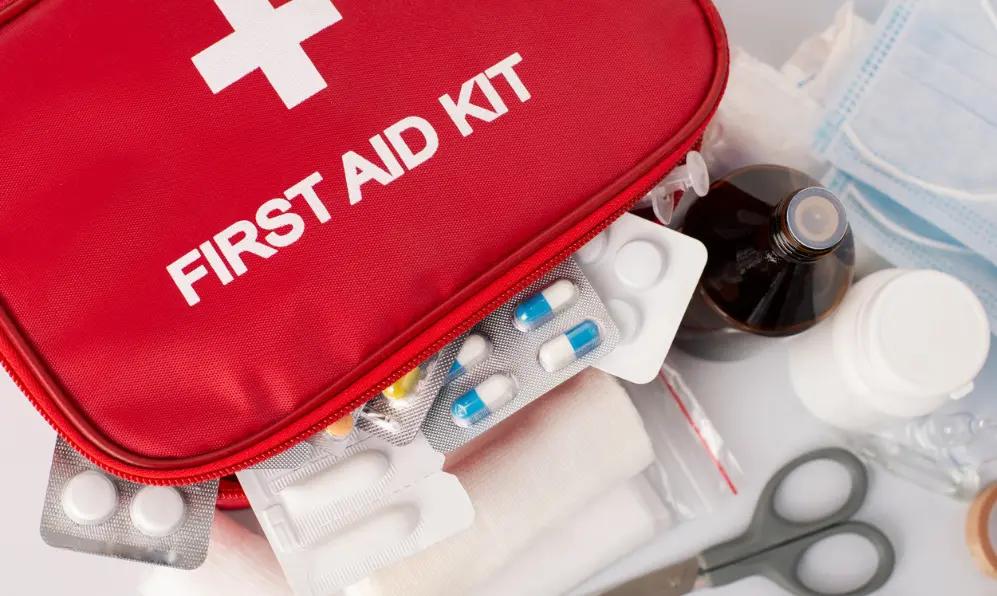
– Keep a first aid kit handy with essentials like bandages, antiseptics, and gloves.
– Regularly update your training through certified courses to maintain skills and learn the latest guidelines.
When to Seek Professional Help:
– Any situation involving severe injury, allergic reactions, poisoning, or loss of consciousness requires immediate medical attention.
– Even minor issues may need follow-up if symptoms persist.
Remember, proper first aid training can empower you to respond effectively in emergencies while prioritizing safety for both yourself and others.
Table of Contents
- Part 1: Create A First Aid Safety Quiz in Minutes Using AI with OnlineExamMaker
- Part 2: 20 First Aid Safety Quiz Questions & Answers
- Part 3: Automatically Generate Quiz Questions Using AI Question Generator
Part 1: Create A First Aid Safety Quiz in Minutes Using AI with OnlineExamMaker
Are you looking for an online assessment to test the First Aid Safety skills of your learners? OnlineExamMaker uses artificial intelligence to help quiz organizers to create, manage, and analyze exams or tests automatically. Apart from AI features, OnlineExamMaker advanced security features such as full-screen lockdown browser, online webcam proctoring, and face ID recognition.
Recommended features for you:
● Includes a safe exam browser (lockdown mode), webcam and screen recording, live monitoring, and chat oversight to prevent cheating.
● Enhances assessments with interactive experience by embedding video, audio, image into quizzes and multimedia feedback.
● Once the exam ends, the exam scores, question reports, ranking and other analytics data can be exported to your device in Excel file format.
● Offers question analysis to evaluate question performance and reliability, helping instructors optimize their training plan.
Automatically generate questions using AI
Part 2: 20 First Aid Safety Quiz Questions & Answers
or
1. Question: What is the first step in responding to an emergency situation?
Options:
A. Call for emergency help
B. Assess the scene for safety
C. Start CPR immediately
D. Move the injured person
Answer: B
Explanation: Assessing the scene for safety ensures that you do not put yourself or others in danger before providing aid.
2. Question: How should you position someone who is unconscious but breathing?
Options:
A. On their stomach
B. Sitting up
C. On their back
D. In the recovery position
Answer: D
Explanation: The recovery position helps keep the airway open and allows fluids to drain from the mouth, reducing the risk of choking.
3. Question: What is the correct ratio of chest compressions to breaths in CPR for an adult?
Options:
A. 15 compressions to 2 breaths
B. 30 compressions to 2 breaths
C. 30 compressions to 1 breath
D. 15 compressions to 1 breath
Answer: B
Explanation: The standard ratio of 30 compressions to 2 breaths maintains blood circulation and oxygenation effectively during CPR.
4. Question: If someone has a severe bleeding wound, what should you do first?
Options:
A. Clean the wound
B. Apply direct pressure
C. Elevate the limb
D. Apply a tourniquet
Answer: B
Explanation: Applying direct pressure helps control bleeding quickly and prevents excessive blood loss.
5. Question: What is the best way to treat a minor burn?
Options:
A. Apply butter or oil
B. Run cool water over it
C. Cover it with a tight bandage
D. Expose it to air
Answer: B
Explanation: Running cool water over the burn for at least 10-20 minutes cools the area and reduces pain and swelling.
6. Question: How should you respond if someone is having a seizure?
Options:
A. Hold them down to stop the movements
B. Put something in their mouth
C. Clear the area and protect their head
D. Give them water
Answer: C
Explanation: Clearing the area and protecting the head prevents injury from falls or objects, as seizures involve uncontrollable movements.
7. Question: What should you do for a person experiencing heat exhaustion?
Options:
A. Give them caffeine
B. Move them to a cool place and offer fluids
C. Apply heat packs
D. Encourage physical activity
Answer: B
Explanation: Moving to a cool place and providing fluids helps lower body temperature and rehydrate, alleviating symptoms of heat exhaustion.
8. Question: If someone is choking and cannot speak, what is the appropriate action?
Options:
A. Perform abdominal thrusts
B. Slap their back gently
C. Give them water to swallow
D. Lay them down
Answer: A
Explanation: Abdominal thrusts can dislodge the object blocking the airway, especially if the person is conscious and unable to breathe.
9. Question: What is the primary treatment for a sprained ankle?
Options:
A. Continue walking on it
B. Apply the RICE method
C. Massage the area
D. Apply heat immediately
Answer: B
Explanation: The RICE method (Rest, Ice, Compression, Elevation) reduces swelling and pain in the initial stages of a sprain.
10. Question: How should you treat a nosebleed?
Options:
A. Tilt the head back
B. Pinch the nostrils and lean forward
C. Blow the nose
D. Apply ice to the forehead
Answer: B
Explanation: Pinching the nostrils and leaning forward prevents blood from flowing down the throat and helps the bleeding to stop.
11. Question: What should you do if you suspect someone has been poisoned?
Options:
A. Induce vomiting
B. Call poison control or emergency services
C. Give them milk
D. Wait for symptoms to pass
Answer: B
Explanation: Contacting poison control or emergency services ensures professional advice is given, as inducing vomiting can be dangerous.
12. Question: For an allergic reaction involving difficulty breathing, what is the first aid priority?
Options:
A. Administer epinephrine if available
B. Give antihistamines
C. Apply a cold compress
D. Encourage rest
Answer: A
Explanation: Epinephrine is crucial for severe allergic reactions (anaphylaxis) to quickly open airways and prevent shock.
13. Question: What is the correct way to treat a fracture?
Options:
A. Straighten the limb
B. Immobilize the area
C. Apply pressure
D. Ignore it if not severe
Answer: B
Explanation: Immobilizing the fracture prevents further injury and reduces pain until medical help arrives.
14. Question: If someone has been in contact with a poisonous plant, what should you do?
Options:
A. Wash the affected area with soap and water
B. Apply lotion
C. Scratch the itch
D. Cover it with a bandage immediately
Answer: A
Explanation: Washing with soap and water removes the irritant and prevents further skin reaction or absorption.
15. Question: How should you respond to an electrical shock victim?
Options:
A. Touch them immediately
B. Turn off the power source first
C. Give them a drink
D. Move them quickly
Answer: B
Explanation: Turning off the power source ensures safety for both the rescuer and the victim before providing aid.
16. Question: What is the initial step for a person experiencing hypothermia?
Options:
A. Give them a hot bath
B. Move them to a warm environment and remove wet clothes
C. Apply blankets directly
D. Encourage exercise
Answer: B
Explanation: Moving to a warm environment and removing wet clothes helps raise body temperature gradually and safely.
17. Question: For a heart attack suspect, what action should be taken?
Options:
A. Have them lie down and rest
B. Call emergency services and give aspirin if advised
C. Give them food
D. Encourage deep breathing
Answer: B
Explanation: Calling emergency services and administering aspirin (if not allergic) can help thin the blood and save time in treatment.
18. Question: How do you treat a foreign object in the eye?
Options:
A. Rub the eye
B. Flush with clean water
C. Use a cotton swab to remove it
D. Keep the eye closed
Answer: B
Explanation: Flushing with clean water gently removes the object without causing further damage to the eye.
19. Question: What should you do for a snake bite?
Options:
A. Suck out the venom
B. Keep the person calm and immobilize the limb
C. Apply a tourniquet
D. Cut the wound
Answer: B
Explanation: Keeping the person calm and immobilizing the limb slows the spread of venom until medical help arrives.
20. Question: What is the proper way to clean a wound?
Options:
A. Use alcohol directly
B. Rinse with clean water and mild soap
C. Apply dirt to stop bleeding
D. Blow on it to dry
Answer: B
Explanation: Rinsing with clean water and mild soap removes debris and reduces infection risk without irritating the wound.
or
Part 3: Automatically generate quiz questions using OnlineExamMaker AI Question Generator
Automatically generate questions using AI