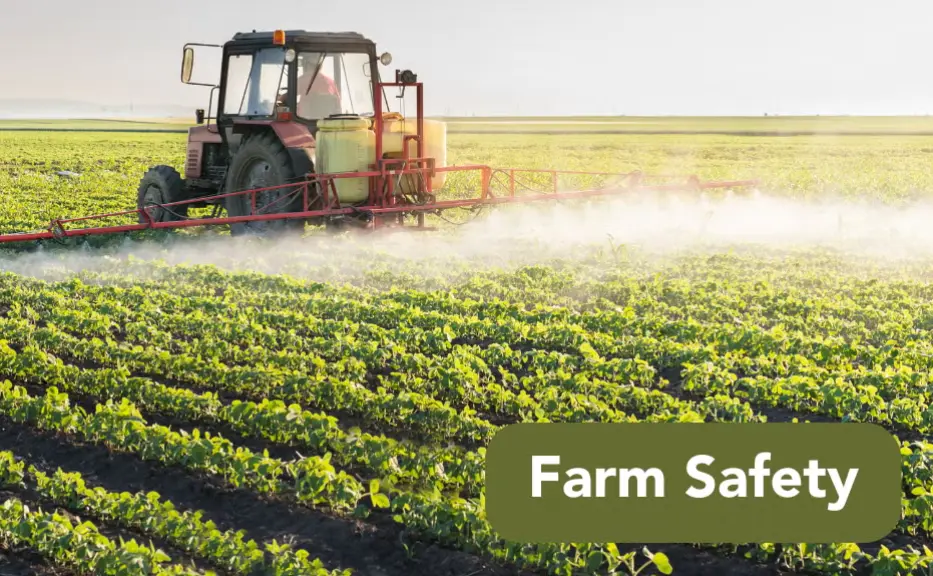
Farm safety encompasses the practices and precautions essential for protecting workers, families, and visitors on agricultural properties. It addresses a range of hazards, including machinery accidents, chemical exposures, animal-related injuries, falls from heights, and environmental risks like heat stress or pesticide contamination.
Key elements of farm safety include:
– Machinery and Equipment: Always inspect and maintain tools, tractors, and vehicles. Use protective gear such as helmets, gloves, and ear protection, and never operate machinery while fatigued or under the influence.
– Animal Handling: Approach livestock calmly and use proper restraints. Be aware of behaviors that signal aggression, and ensure fencing and enclosures are secure to prevent escapes or attacks.
– Chemical and Pesticide Use: Store hazardous substances in labeled containers away from children and animals. Follow instructions for application, wear appropriate personal protective equipment (PPE), and dispose of waste responsibly to avoid environmental harm.
– General Farm Practices: Promote a culture of awareness by conducting regular safety training, marking hazardous areas with signs, and establishing emergency response plans. Children should be supervised at all times, and ergonomic principles should guide tasks to prevent strain injuries.
By prioritizing farm safety, operations can reduce accidents, lower healthcare costs, and ensure sustainable productivity, making farms safer workplaces for everyone involved.
Table of Contents
- Part 1: Create An Amazing Farm Safety Quiz Using AI Instantly in OnlineExamMaker
- Part 2: 20 Farm Safety Quiz Questions & Answers
- Part 3: AI Question Generator – Automatically Create Questions for Your Next Assessment
Part 1: Create An Amazing Farm Safety Quiz Using AI Instantly in OnlineExamMaker
The quickest way to assess the Farm Safety knowledge of candidates is using an AI assessment platform like OnlineExamMaker. With OnlineExamMaker AI Question Generator, you are able to input content—like text, documents, or topics—and then automatically generate questions in various formats (multiple-choice, true/false, short answer). Its AI Exam Grader can automatically grade the exam and generate insightful reports after your candidate submit the assessment.
Overview of its key assessment-related features:
● Create up to 10 question types, including multiple-choice, true/false, fill-in-the-blank, matching, short answer, and essay questions.
● Automatically generates detailed reports—individual scores, question report, and group performance.
● Instantly scores objective questions and subjective answers use rubric-based scoring for consistency.
● API and SSO help trainers integrate OnlineExamMaker with Google Classroom, Microsoft Teams, CRM and more.
Automatically generate questions using AI
Part 2: 20 Farm Safety Quiz Questions & Answers
or
1. Question: What is the primary purpose of wearing gloves when handling farm chemicals?
A) To keep hands warm
B) To protect against chemical exposure
C) To improve grip on tools
D) To prevent blisters
Answer: B
Explanation: Gloves act as a barrier to prevent skin contact with harmful chemicals, reducing the risk of absorption and irritation.
2. Question: When operating a tractor, what should you always do before starting the engine?
A) Check the fuel level
B) Perform a pre-operation inspection
C) Adjust the seat for comfort
D) Turn on the headlights
Answer: B
Explanation: A pre-operation inspection helps identify potential issues like faulty brakes or tires, preventing accidents during use.
3. Question: How should pesticides be stored on a farm to ensure safety?
A) In a well-ventilated shed
B) In a locked cabinet away from food and water sources
C) Near the entrance for easy access
D) In direct sunlight for drying
Answer: B
Explanation: Storing pesticides in a locked cabinet prevents accidental access by children or animals and avoids contamination of food or water.
4. Question: What is the safest way to enter a grain bin?
A) Jump in from the side
B) Use a harness and lifeline with a buddy system
C) Enter alone after turning off the auger
D) Wait until the grain is fully unloaded
Answer: B
Explanation: Using a harness and buddy system prevents entrapment in flowing grain, which can lead to suffocation or injury.
5. Question: If a fire starts in a barn, what should you do first?
A) Try to extinguish it with water
B) Evacuate people and animals immediately
C) Open doors for ventilation
D) Call for help after assessing the fire
Answer: B
Explanation: Evacuating first ensures the safety of lives, as fires can spread quickly and produce toxic smoke.
6. Question: Why should electrical cords on farms be inspected regularly?
A) To check for color fading
B) To ensure they are not frayed or damaged
C) To measure their length
D) To clean off dust
Answer: B
Explanation: Frayed or damaged cords can cause electrical shocks or fires, especially in wet farm environments.
7. Question: When handling livestock, what is the best way to avoid being kicked?
A) Approach from the front
B) Use a blindfold on the animal
C) Position yourself at the side and speak calmly
D) Run quickly around them
Answer: C
Explanation: Approaching from the side and speaking calmly reduces startling the animal, minimizing the risk of sudden movements like kicking.
8. Question: What rule should be followed for children on a farm?
A) Allow them to play near machinery
B) Keep them supervised and away from hazards
C) Let them help with heavy lifting
D) Leave them unsupervised in barns
Answer: B
Explanation: Supervision prevents children from encountering dangers like moving equipment or chemicals.
9. Question: How can slips and falls be prevented in a farm workshop?
A) Leave tools on the floor for quick access
B) Keep floors clean and dry with good lighting
C) Use oily rags as mats
D) Work in dim light to save energy
Answer: B
Explanation: Clean, dry floors and proper lighting reduce the risk of tripping or slipping on hazards.
10. Question: What is the correct technique for lifting heavy objects on a farm?
A) Bend at the waist and lift quickly
B) Bend at the knees and keep the back straight
C) Lift with one hand while holding something else
D) Twist the body while lifting
Answer: B
Explanation: Bending at the knees and keeping the back straight distributes weight evenly, preventing back injuries.
11. Question: Why is machine guarding important on farm equipment?
A) To make the machine look neat
B) To prevent access to moving parts and reduce injury risk
C) To increase the machine’s speed
D) To reduce noise levels
Answer: B
Explanation: Guards protect operators from entanglement in moving parts, such as belts or blades, which can cause severe injuries.
12. Question: What is the best way to protect against sun exposure while working outdoors?
A) Wear dark clothing
B) Use sunscreen, hats, and long sleeves
C) Work during the hottest hours
D) Drink cold beverages only
Answer: B
Explanation: Sunscreen, hats, and long sleeves block UV rays, reducing the risk of sunburn and skin cancer.
13. Question: How should farm ponds or water sources be managed for safety?
A) Leave them unfenced for easy access
B) Fence them off and teach children to swim
C) Allow animals to drink without supervision
D) Drain them during summer
Answer: B
Explanation: Fencing prevents accidental falls, and swimming lessons prepare individuals for emergencies.
14. Question: When using a chainsaw, what safety gear is essential?
A) Gloves and safety glasses
B) Just earplugs
C) Full chaps, helmet, and eye protection
D) Regular work boots
Answer: C
Explanation: Full chaps, helmet, and eye protection shield against kickback, flying debris, and cuts.
15. Question: How should hay bales be stacked to prevent accidents?
A) In a tall, unstable pile
B) On a flat, stable surface with even layers
C) Mixed with other materials
D) Near doorways for convenience
Answer: B
Explanation: Even layers on a stable surface prevent bales from toppling, which could cause injury or damage.
16. Question: What precaution should be taken when driving vehicles on farm roads?
A) Drive at high speeds to save time
B) Wear seatbelts and watch for pedestrians
C) Use phones while driving
D) Ignore warning signs
Answer: B
Explanation: Seatbelts and awareness of pedestrians reduce the risk of collisions on uneven or shared farm roads.
17. Question: For a minor cut on a farm, what is the first aid step?
A) Apply a bandage immediately without cleaning
B) Clean the wound with soap and water
C) Ignore it if it’s small
D) Use dirt to stop bleeding
Answer: B
Explanation: Cleaning prevents infection, which is crucial in dirty farm environments.
18. Question: How can noise-induced hearing loss be prevented on farms?
A) Wear earplugs or earmuffs around loud machinery
B) Listen to music while working
C) Increase volume on equipment
D) Work longer hours without breaks
Answer: A
Explanation: Earplugs or earmuffs reduce exposure to high decibel levels from tractors and tools, protecting hearing.
19. Question: What is a key sign of heat stroke that farmers should watch for?
A) Feeling chilly
B) Confusion or rapid heartbeat
C) Increased energy
D) Slow breathing
Answer: B
Explanation: Confusion and rapid heartbeat indicate heat stroke, requiring immediate cooling and medical help to prevent fatality.
20. Question: In a farm emergency, what should be the first action?
A) Assess the situation calmly
B) Call emergency services if needed
C) Start fixing the problem yourself
D) Wait for help
Answer: A
Explanation: Assessing calmly ensures safe decision-making, such as calling for help or providing first aid without escalating risks.
or
Part 3: AI Question Generator – Automatically Create Questions for Your Next Assessment
Automatically generate questions using AI