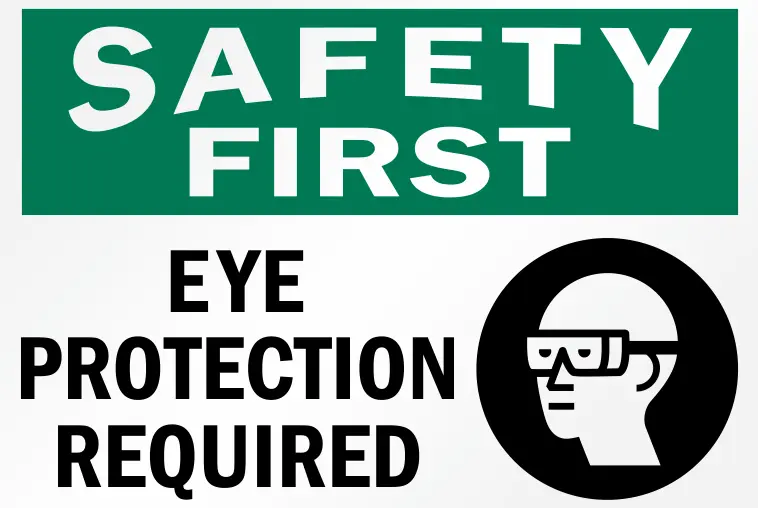
Eye protection is essential for safeguarding one of the body’s most vulnerable organs from potential hazards in various environments. Common risks include flying debris, chemical splashes, intense light, and radiation, which can lead to injuries ranging from minor irritation to permanent vision loss. In workplaces such as construction sites, laboratories, and manufacturing facilities, wearing appropriate eye protection is not only a best practice but often a legal requirement under standards like OSHA in the United States or similar regulations globally.
Key types of eye protection include safety glasses, which shield against impact and dust; goggles, offering a seal around the eyes for protection against liquids and vapors; face shields, providing full facial coverage for high-risk tasks; and specialized gear like welding helmets or laser safety glasses for specific hazards. Selecting the right equipment depends on the activity— for instance, ANSI Z87.1-certified products ensure they meet impact resistance standards.
To use eye protection effectively, ensure a proper fit that covers the eyes completely without obstructing vision, and always inspect gear for damage before use. Regular cleaning with approved solutions and proper storage in protective cases help maintain effectiveness and longevity. Training employees on correct usage and emergency procedures, such as rinsing eyes after exposure, is crucial for prevention.
Ultimately, prioritizing eye protection reduces workplace accidents, enhances productivity, and promotes long-term eye health. Simple habits, like wearing sunglasses outdoors to block UV rays, can prevent conditions like cataracts, emphasizing that eye safety is a lifelong commitment in both professional and personal settings.
Table of Contents
- Part 1: OnlineExamMaker AI Quiz Maker – Make A Free Quiz in Minutes
- Part 2: 20 Eye Protection Safety Quiz Questions & Answers
- Part 3: Save Time and Energy: Generate Quiz Questions with AI Technology
Part 1: OnlineExamMaker AI Quiz Maker – Make A Free Quiz in Minutes
Still spend a lot of time in editing questions for your next Eye Protection Safety assessment? OnlineExamMaker is an AI quiz maker that leverages artificial intelligence to help users create quizzes, tests, and assessments quickly and efficiently. You can start by inputting a topic or specific details into the OnlineExamMaker AI Question Generator, and the AI will generate a set of questions almost instantly. It also offers the option to include answer explanations, which can be short or detailed, helping learners understand their mistakes.
What you may like:
● Automatic grading and insightful reports. Real-time results and interactive feedback for quiz-takers.
● The exams are automatically graded with the results instantly, so that teachers can save time and effort in grading.
● LockDown Browser to restrict browser activity during quizzes to prevent students searching answers on search engines or other software.
● Create certificates with personalized company logo, certificate title, description, date, candidate’s name, marks and signature.
Automatically generate questions using AI
Part 2: 20 Eye Protection Safety Quiz Questions & Answers
or
1. Question: What is the primary purpose of wearing safety glasses in a workplace?
Options:
A) To enhance fashion appeal
B) To protect eyes from flying particles and debris
C) To correct vision problems
D) To reduce glare from computer screens
Answer: B
Explanation: Safety glasses are specifically designed to shield the eyes from hazards like flying objects, dust, and impact in industrial or construction settings, preventing injuries such as corneal abrasions.
2. Question: Which type of eye protection is most suitable for working with chemicals that could splash?
Options:
A) Regular sunglasses
B) Safety goggles with indirect ventilation
C) Prescription eyeglasses
D) Welding helmets
Answer: B
Explanation: Safety goggles with indirect ventilation provide a seal around the eyes, preventing chemical liquids or vapors from entering and causing burns or irritation.
3. Question: What does the ANSI Z87.1 standard indicate for eye protection?
Options:
A) It ensures eye protection is stylish
B) It certifies that the eyewear meets basic impact and penetration resistance requirements
C) It guarantees UV protection only
D) It applies only to prescription lenses
Answer: B
Explanation: ANSI Z87.1 is a safety standard that verifies eye protection devices can withstand high-speed particles and other impacts, ensuring they provide reliable protection in hazardous environments.
4. Question: When should you replace your safety glasses?
Options:
A) Only if they are scratched beyond recognition
B) If they show any signs of damage, scratches, or after the manufacturer’s recommended timeframe
C) When they become too tight
D) At the end of each work shift
Answer: B
Explanation: Damaged or scratched safety glasses can impair vision and reduce protection effectiveness, increasing the risk of eye injuries from hazards.
5. Question: What is a common hazard that requires full face shields in addition to eye protection?
Options:
A) Reading fine print
B) Working with molten metals or high-heat processes
C) Driving in bright sunlight
D) Using a computer for long hours
Answer: B
Explanation: Full face shields protect not only the eyes but also the face from splashes, heat, and flying debris in high-risk activities like welding or metalworking.
6. Question: Which of the following is NOT a type of eye protection?
Options:
A) Safety goggles
B) Contact lenses
C) Face shields
D) Welding helmets
Answer: B
Explanation: Contact lenses do not provide any protective barrier against environmental hazards; they are for vision correction only and should be worn under proper eye protection.
7. Question: Why is it important to wear eye protection when using power tools?
Options:
A) To avoid distractions
B) To prevent debris, dust, or fragments from entering the eyes
C) To improve tool handling
D) To comply with fashion trends
Answer: B
Explanation: Power tools can generate flying particles or dust that could cause eye injuries like scratches or infections if proper protection is not worn.
8. Question: What should you do if your eye protection fogs up during use?
Options:
A) Remove it immediately
B) Use anti-fog treatments or switch to fog-resistant models
C) Ignore it and continue working
D) Clean it with water only
Answer: B
Explanation: Fogging can impair vision and increase accident risks, so using anti-fog solutions or appropriate eyewear ensures clear sight and continuous protection.
9. Question: In a laboratory setting, what eye protection is recommended for handling acids?
Options:
A) Ordinary glasses
B) Chemical splash goggles
C) Sunglasses
D) Reading glasses
Answer: B
Explanation: Chemical splash goggles form a tight seal to protect against liquid splashes, preventing acids from causing chemical burns or permanent eye damage.
10. Question: What is the main risk of not wearing eye protection in a construction site?
Options:
A) Reduced productivity
B) Exposure to flying objects, dust, and potential permanent vision loss
C) Overheating
D) Uncomfortable work conditions
Answer: B
Explanation: Construction sites have hazards like falling debris and tools that can lead to eye injuries or blindness without proper protection.
11. Question: Which feature is essential for eye protection when working with lasers?
Options:
A) Tinted lenses for fashion
B) Laser-specific filters that block harmful wavelengths
C) Magnifying lenses
D) Lightweight frames
Answer: B
Explanation: Laser-specific filters in eye protection absorb or reflect laser light, preventing retinal damage from exposure to intense beams.
12. Question: How often should eye protection be inspected for damage?
Options:
A) Once a year
B) Before each use
C) Only when it feels uncomfortable
D) At the end of the workday
Answer: B
Explanation: Regular inspections before use ensure that any cracks, scratches, or wear are identified early, maintaining the integrity of the protection.
13. Question: What type of eye protection is best for outdoor work in bright conditions?
Options:
A) Clear safety glasses
B) Tinted or polarized safety glasses with UV protection
C) Welding masks
D) Regular reading glasses
Answer: B
Explanation: Tinted or polarized lenses with UV protection reduce glare and shield against harmful ultraviolet rays, preventing eye strain and long-term damage.
14. Question: Why must eye protection fit properly?
Options:
A) For aesthetic reasons
B) To ensure a secure fit that prevents hazards from entering and provides full coverage
C) To make it easier to remove
D) To match work uniforms
Answer: B
Explanation: A proper fit prevents gaps that could allow particles or chemicals to enter, ensuring effective protection against workplace dangers.
15. Question: In welding, what eye protection is required?
Options:
A) Standard sunglasses
B) Welding helmets with shaded lenses
C) Clear plastic shields
D) Magnifying glasses
Answer: B
Explanation: Welding helmets with shaded lenses protect against intense light, UV rays, and flying sparks, preventing burns and vision impairment.
16. Question: What is a potential consequence of wearing the wrong type of eye protection?
Options:
A) Improved comfort
B) Inadequate protection leading to eye injuries
C) Better visibility
D) Longer wear time
Answer: B
Explanation: Using incorrect eye protection may not shield against specific hazards, resulting in accidents like chemical exposure or impact injuries.
17. Question: Which material is commonly used for lenses in safety glasses to ensure durability?
Options:
A) Glass
B) Polycarbonate
C) Paper
D) Fabric
Answer: B
Explanation: Polycarbonate lenses are impact-resistant, lightweight, and shatterproof, making them ideal for protecting against high-speed particles in safety contexts.
18. Question: When working with biological hazards, what eye protection is advised?
Options:
A) No protection needed
B) Safety goggles or full-face shields to prevent splashes
C) Tinted glasses
D) Contact lenses only
Answer: B
Explanation: Safety goggles or face shields create a barrier against biohazards like fluids or aerosols, reducing the risk of infections or eye contamination.
19. Question: How can you store eye protection to maintain its effectiveness?
Options:
A) In a dirty toolbox
B) In a clean, protective case away from extreme temperatures
C) On a windowsill for easy access
D) Crumpled in a pocket
Answer: B
Explanation: Proper storage in a clean case prevents scratches, contamination, and degradation, ensuring the eye protection remains functional and reliable.
20. Question: What is the role of side shields on safety glasses?
Options:
A) To add weight for balance
B) To protect against hazards approaching from the sides
C) To improve airflow
D) To enhance peripheral vision
Answer: B
Explanation: Side shields provide additional protection from lateral angles, blocking dust, particles, or splashes that could enter from the sides and cause injury.
or
Part 3: Save Time and Energy: Generate Quiz Questions with AI Technology
Automatically generate questions using AI