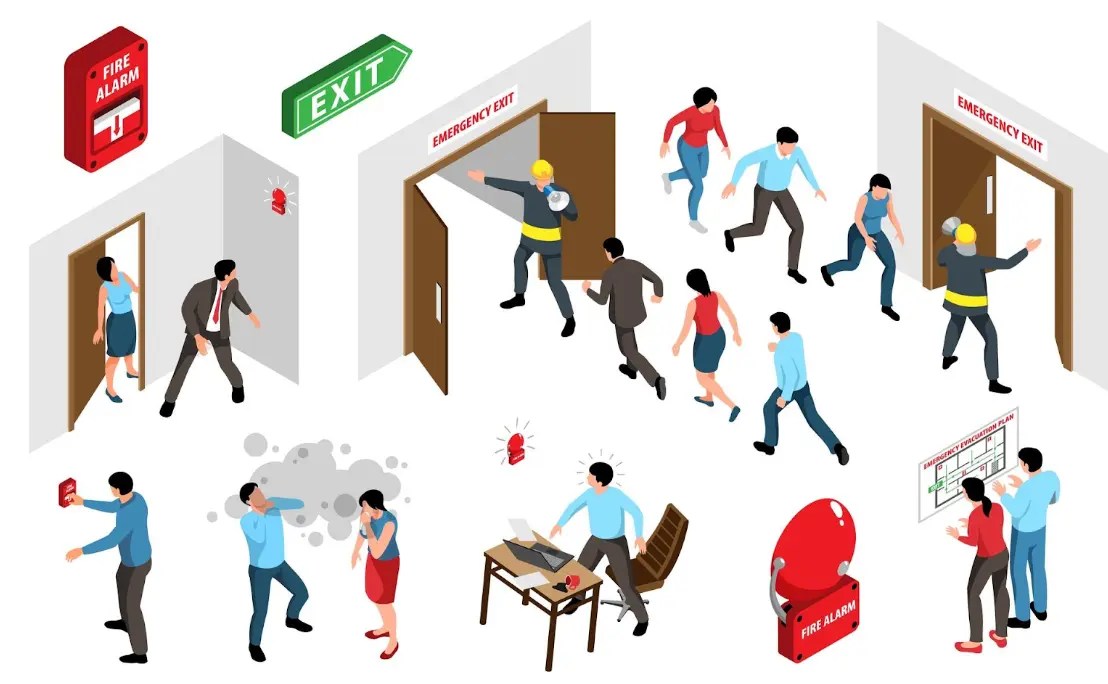
Emergency Evacuation Safety is a vital protocol designed to protect lives during crises such as fires, natural disasters, or chemical incidents. It involves pre-planned procedures that ensure swift and orderly exit from buildings or hazardous areas, minimizing risks and preventing injuries. Key elements include identifying clear escape routes, designating safe assembly points, and conducting regular drills to build familiarity and reduce panic. Always prioritize following instructions from designated authorities, use stairwells instead of elevators, assist vulnerable individuals like children or the elderly, and avoid re-entering affected zones until cleared. Effective communication, such as alarms and announcements, plays a crucial role in coordinating evacuations. By fostering a culture of preparedness, organizations and individuals can enhance overall safety and respond confidently to emergencies.
Table of Contents
- Part 1: Create A Emergency Evacuation Safety Quiz in Minutes Using AI with OnlineExamMaker
- Part 2: 20 Emergency Evacuation Safety Quiz Questions & Answers
- Part 3: AI Question Generator – Automatically Create Questions for Your Next Assessment
Part 1: Create A Emergency Evacuation Safety Quiz in Minutes Using AI with OnlineExamMaker
Are you looking for an online assessment to test the Emergency Evacuation Safety skills of your learners? OnlineExamMaker uses artificial intelligence to help quiz organizers to create, manage, and analyze exams or tests automatically. Apart from AI features, OnlineExamMaker advanced security features such as full-screen lockdown browser, online webcam proctoring, and face ID recognition.
Recommended features for you:
● Includes a safe exam browser (lockdown mode), webcam and screen recording, live monitoring, and chat oversight to prevent cheating.
● Enhances assessments with interactive experience by embedding video, audio, image into quizzes and multimedia feedback.
● Once the exam ends, the exam scores, question reports, ranking and other analytics data can be exported to your device in Excel file format.
● Offers question analysis to evaluate question performance and reliability, helping instructors optimize their training plan.
Automatically generate questions using AI
Part 2: 20 Emergency Evacuation Safety Quiz Questions & Answers
or
1. Question: What is the first action you should take when a fire alarm sounds in a building?
Options:
A. Stop what you’re doing and investigate the alarm.
B. Evacuate the building immediately using the nearest exit.
C. Gather your belongings and then leave.
D. Wait for further instructions from authorities.
Answer: B
Explanation: Evacuating immediately ensures your safety, as alarms indicate potential danger, and delaying could expose you to risks like smoke or fire spread.
2. Question: During an emergency evacuation, what is the primary purpose of a designated assembly point?
Options:
A. To store emergency supplies.
B. To reunite with colleagues and account for everyone.
C. To call emergency services.
D. To re-enter the building quickly.
Answer: B
Explanation: Assembly points help in headcounts to ensure no one is missing, allowing responders to confirm full evacuation and plan next steps.
3. Question: If you are in a crowded area during an evacuation, what should you do to avoid injury?
Options:
A. Push through the crowd to get out faster.
B. Stay calm, follow directions, and move with the flow.
C. Shout to alert others and create a path.
D. Run ahead of the group.
Answer: B
Explanation: Staying calm and moving with the flow prevents panic, reduces the risk of falls or trampling, and maintains order during evacuation.
4. Question: In the event of an earthquake, what is the recommended immediate action if you are indoors?
Options:
A. Run outside immediately.
B. Drop to the ground, cover your head, and hold on.
C. Stand in a doorway.
D. Hide under a large piece of furniture.
Answer: B
Explanation: The “Drop, Cover, and Hold On” method protects against falling objects and structural collapse, which are common hazards during earthquakes.
5. Question: What should you do if you encounter smoke while evacuating a building?
Options:
A. Take the elevator to avoid the smoke.
B. Crawl low to the ground to breathe cleaner air.
C. Open windows to let the smoke out.
D. Stay in place and wait for help.
Answer: B
Explanation: Smoke rises, so staying low allows access to oxygen-rich air near the floor, reducing the risk of smoke inhalation during evacuation.
6. Question: Who is typically responsible for developing an emergency evacuation plan in a workplace?
Options:
A. Individual employees.
B. Management or safety officers.
C. Local fire department.
D. Security guards.
Answer: B
Explanation: Management or designated safety personnel are responsible for creating and implementing plans to ensure organized and safe evacuations.
7. Question: If you are assisting someone with mobility issues during an evacuation, what is the best practice?
Options:
A. Leave them and go for help.
B. Carry them if possible, or use evacuation chairs.
C. Wait with them until the area is clear.
D. Direct them to the nearest elevator.
Answer: B
Explanation: Using proper tools like evacuation chairs or carrying techniques ensures the person is moved safely without delaying the overall evacuation.
8. Question: What does the acronym RACE stand for in fire safety evacuation procedures?
Options:
A. Rescue, Alarm, Confine, Extinguish.
B. Run, Alert, Contain, Evacuate.
C. Respond, Act, Check, Exit.
D. Remove, Alert, Confine, Evacuate.
Answer: A
Explanation: RACE provides a structured response: Rescue those in immediate danger, sound the Alarm, Confine the fire, and Extinguish if safe, promoting effective evacuation.
9. Question: During a flood evacuation, why is it important to move to higher ground?
Options:
A. To avoid traffic jams.
B. To escape rising water levels and potential contamination.
C. To wait for rescue teams.
D. To gather supplies.
Answer: B
Explanation: Higher ground reduces the risk of drowning or being swept away by floodwaters, which can carry debris and pose health hazards.
10. Question: What should you never do during an emergency evacuation in a high-rise building?
Options:
A. Use the stairs instead of the elevator.
B. Follow illuminated exit signs.
C. Use the elevator if it’s operational.
D. Assist others in your path.
Answer: C
Explanation: Elevators can malfunction or get trapped during emergencies like fires, so using stairs is safer to avoid being stuck.
11. Question: In an emergency, how should you signal for help if you’re trapped?
Options:
A. Shout as loudly as possible.
B. Use a whistle, light, or bang on surfaces in a pattern.
C. Open windows and wave.
D. Call out randomly.
Answer: B
Explanation: Signaling with a whistle or rhythmic banging helps rescuers locate you without exhausting your voice, increasing chances of a timely rescue.
12. Question: What is the main reason for conducting evacuation drills?
Options:
A. To test the building’s alarm system.
B. To familiarize people with procedures and reduce panic.
C. To identify weak employees.
D. To practice firefighting.
Answer: B
Explanation: Drills help individuals practice routes and responses, making real evacuations smoother and minimizing confusion or injury.
13. Question: If you smell gas in a building, what should you do first?
Options:
A. Open windows and doors.
B. Evacuate immediately and call emergency services from outside.
C. Try to locate the source and fix it.
D. Turn on lights to see better.
Answer: B
Explanation: Evacuating first prevents explosions or fires from gas leaks, and calling from outside ensures safety while alerting professionals.
14. Question: What role do emergency exit signs play in an evacuation?
Options:
A. They decorate the building.
B. They guide people to safe exits quickly.
C. They indicate where supplies are stored.
D. They show the way to the basement.
Answer: B
Explanation: Illuminated signs help navigate in low visibility, such as smoke-filled environments, directing people to the quickest escape routes.
15. Question: During an evacuation, why should you avoid using your cell phone?
Options:
A. To save battery for later.
B. To prevent network overload and focus on escaping.
C. Because signals might cause fires.
D. To keep your hands free for other tasks.
Answer: B
Explanation: Using phones can clog emergency lines and distract from the evacuation, potentially causing delays or accidents.
16. Question: What should be included in a basic emergency evacuation kit?
Options:
A. Jewelry and cash.
B. Water, flashlight, and first-aid supplies.
C. Extra clothing and books.
D. Kitchen utensils.
Answer: B
Explanation: Essential items like water and a flashlight provide immediate needs during evacuation, helping sustain you until help arrives.
17. Question: If you are the last person out during an evacuation, what should you do?
Options:
A. Lock the doors behind you.
B. Notify authorities or a designated person that the area is clear.
C. Turn off all lights.
D. Wait outside for others.
Answer: B
Explanation: Reporting that the area is clear helps emergency responders know if anyone might still be inside, ensuring a thorough search if needed.
18. Question: In a chemical spill evacuation, why is it important to avoid touching contaminated surfaces?
Options:
A. To keep the area clean.
B. To prevent exposure to harmful substances.
C. To save time during escape.
D. To avoid leaving fingerprints.
Answer: B
Explanation: Contact with contaminated surfaces can lead to skin irritation, poisoning, or spreading the hazard, so minimizing touch is crucial.
19. Question: What is the best way to evacuate children from a school during an emergency?
Options:
A. Let them run ahead on their own.
B. Use a buddy system and follow teacher-led groups.
C. Send them in pairs without supervision.
D. Gather them first and then decide.
Answer: B
Explanation: A buddy system with adult supervision ensures children stay together, reducing the risk of them getting lost or separated.
20. Question: After an evacuation, when is it safe to re-enter a building?
Options:
A. As soon as the alarm stops.
B. Only when authorities give the all-clear signal.
C. Immediately after everyone is accounted for.
D. When you feel it’s safe.
Answer: B
Explanation: Authorities assess hazards post-evacuation, so waiting for their confirmation prevents re-entry into potentially dangerous areas.
or
Part 3: AI Question Generator – Automatically Create Questions for Your Next Assessment
Automatically generate questions using AI