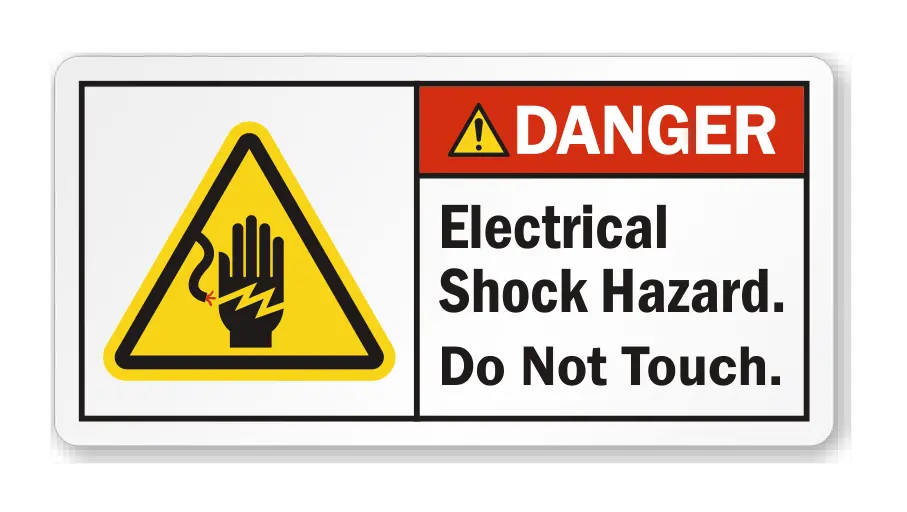
Electrical shock safety is crucial for preventing injuries and fatalities caused by contact with electrical sources. It occurs when the human body becomes part of an electrical circuit, leading to burns, muscle contractions, heart rhythm disruptions, or even death. To minimize risks, always treat electricity with respect and follow these key practices:
– Inspect and Maintain Equipment: Regularly check cords, plugs, and appliances for damage like frayed wires or exposed conductors. Use only certified, undamaged devices and replace any faulty ones immediately.
– Avoid Water and Electricity Together: Never handle electrical items with wet hands or in wet environments, as water conducts electricity and increases the chance of shock. Keep appliances away from sinks, bathtubs, and pools.
– Use Proper Protective Gear: Wear insulated gloves, rubber-soled shoes, and eye protection when working with live wires or in electrical environments. For professionals, always use tools with insulated handles.
– Grounding and Circuit Protection: Ensure all electrical systems are properly grounded to direct excess current safely away. Install and maintain circuit breakers or fuses to automatically shut off power during overloads or shorts.
– Safe Practices at Home and Work: Turn off power at the source before touching any wires or performing repairs. Use extension cords temporarily and avoid overloading outlets. Educate children about electrical dangers and keep cords out of reach.
– Emergency Response: If someone experiences an electrical shock, do not touch them directly if they are still in contact with the source—turn off the power first. Call emergency services immediately and provide first aid, such as CPR if needed.
By adhering to these guidelines, you can significantly reduce the risks associated with electrical shocks and create a safer environment for everyone. Always prioritize caution and seek professional help for any electrical issues.
Table of Contents
- Part 1: OnlineExamMaker AI Quiz Maker – Make A Free Quiz in Minutes
- Part 2: 20 Electrical Shock Safety Quiz Questions & Answers
- Part 3: AI Question Generator – Automatically Create Questions for Your Next Assessment
Part 1: OnlineExamMaker AI Quiz Maker – Make A Free Quiz in Minutes
What’s the best way to create a Electrical Shock Safety quiz online? OnlineExamMaker is the best AI quiz making software for you. No coding, and no design skills required. If you don’t have the time to create your online quiz from scratch, you are able to use OnlineExamMaker AI Question Generator to create question automatically, then add them into your online assessment. What is more, the platform leverages AI proctoring and AI grading features to streamline the process while ensuring exam integrity.
Key features of OnlineExamMaker:
● Create up to 10 question types, including multiple-choice, true/false, fill-in-the-blank, matching, short answer, and essay questions.
● Build and store questions in a centralized portal, tagged by categories and keywords for easy reuse and organization.
● Automatically scores multiple-choice, true/false, and even open-ended/audio responses using AI, reducing manual work.
● Create certificates with personalized company logo, certificate title, description, date, candidate’s name, marks and signature.
Automatically generate questions using AI
Part 2: 20 Electrical Shock Safety Quiz Questions & Answers
or
1. Question: What is the primary cause of electrical shock?
A. Touching a live wire
B. Using a properly grounded outlet
C. Wearing non-conductive footwear
D. Keeping electrical devices dry
Answer: A
Explanation: Electrical shock occurs when the body comes into contact with a live electrical source, allowing current to flow through it, which can be fatal.
2. Question: Which of the following is the safest way to unplug an electrical device?
A. Pull the cord from the middle
B. Yank the cord out quickly
C. Grasp the plug and pull straight out
D. Use a wet hand to remove it
Answer: C
Explanation: Grasping the plug ensures you avoid damaging the cord, which could expose wires and cause shocks; always pull straight to prevent strain.
3. Question: What does the abbreviation GFCI stand for, and why is it important?
A. Ground Fault Circuit Interrupter; it prevents overloads
B. General Fire Control Indicator; it detects smoke
C. Ground Fault Circuit Interrupter; it shuts off power if a ground fault is detected
D. Global Frequency Current Indicator; it measures voltage
Answer: C
Explanation: A GFCI quickly shuts off electricity in the event of a ground fault, reducing the risk of shock by detecting imbalances in current.
4. Question: Which material is generally the best insulator against electrical shock?
A. Metal
B. Water
C. Rubber
D. Copper
Answer: C
Explanation: Rubber does not conduct electricity well, making it an effective barrier to prevent current from passing through the body.
5. Question: What should you do if you see someone experiencing an electrical shock?
A. Touch them immediately to help
B. Turn off the power source first if possible
C. Pour water on them to cool down
D. Shake them to wake up
Answer: B
Explanation: Turning off the power source prevents further injury and allows safe assistance, as touching the person could pass the shock to you.
6. Question: Why is it dangerous to use electrical appliances near water?
A. Water can cause the appliance to overheat
B. Water is a good conductor of electricity
C. Water makes the appliance louder
D. Water improves the appliance’s performance
Answer: B
Explanation: Water conducts electricity easily, increasing the risk of shock by providing a path for current to flow through the body.
7. Question: What is the minimum safe distance to maintain from overhead power lines while using a ladder?
A. 1 meter
B. 3 meters
C. 10 meters
D. 50 meters
Answer: C
Explanation: Maintaining at least 10 meters helps avoid accidental contact, as power lines carry high voltage that can arc and cause severe shocks.
8. Question: Which of these is a sign of electrical shock?
A. Feeling warm and cozy
B. Sudden muscle contractions or burns
C. Increased appetite
D. Mild headache
Answer: B
Explanation: Electrical shock can cause involuntary muscle spasms, burns, or unconsciousness due to the current disrupting the body’s electrical systems.
9. Question: What type of wiring should be used in wet environments to prevent shocks?
A. Exposed copper wiring
B. Insulated and grounded wiring
C. Aluminum wiring without covers
D. Bare metal conduits
Answer: B
Explanation: Insulated and grounded wiring protects against moisture, reducing the chance of current leaking and causing shocks.
10. Question: How can you protect yourself from static electricity shocks?
A. Wear synthetic clothing
B. Touch grounded surfaces before handling electronics
C. Rub your feet on carpet rapidly
D. Use ungrounded outlets
Answer: B
Explanation: Touching a grounded surface discharges built-up static electricity, preventing sudden shocks when handling sensitive or conductive items.
11. Question: What is the purpose of a circuit breaker in electrical safety?
A. It increases the voltage
B. It automatically cuts off power during overloads or shorts
C. It lights up rooms brighter
D. It speeds up electrical flow
Answer: B
Explanation: Circuit breakers prevent fires and shocks by interrupting the electrical flow when there’s an overload or fault, avoiding excessive current.
12. Question: Why should you never remove a plug from an outlet with wet hands?
A. It might make the plug slippery
B. Wet hands conduct electricity, increasing shock risk
C. It could damage the outlet’s appearance
D. Wet hands make the plug harder to grip
Answer: B
Explanation: Water on your hands lowers skin resistance, allowing electricity to flow more easily through your body if a fault occurs.
13. Question: What should be the first step in providing first aid for an electrical shock victim?
A. Give them water to drink
B. Ensure the area is safe and call for emergency help
C. Apply pressure to any wounds
D. Cover them with a blanket
Answer: B
Explanation: Checking for safety and calling for help prevents further injury and ensures professional medical assistance is on the way.
14. Question: Which voltage level is considered low and generally safe for human contact without additional protection?
A. 120 volts
B. 240 volts
C. Less than 50 volts
D. 1000 volts
Answer: C
Explanation: Voltages below 50 volts are typically not lethal and pose a lower risk of shock, though precautions are still necessary.
15. Question: What does grounding an electrical system do?
A. It increases the electrical current
B. It provides a safe path for excess current to dissipate
C. It makes devices run faster
D. It eliminates the need for plugs
Answer: B
Explanation: Grounding directs fault currents away from users and into the earth, preventing shocks by keeping conductive parts at zero potential.
16. Question: Why is it important to use extension cords rated for the intended load?
A. To make them last longer
B. To prevent overheating and potential fires or shocks
C. To reduce the cord’s weight
D. To change the cord’s color
Answer: B
Explanation: Overloaded cords can overheat, melt insulation, and expose wires, leading to shocks or fires if not rated for the load.
17. Question: What protective gear is recommended when working with live electrical wires?
A. Cotton gloves
B. Insulated gloves and safety goggles
C. Regular clothing
D. Metal jewelry
Answer: B
Explanation: Insulated gloves and goggles protect against direct contact and potential splashes, reducing the risk of shock or injury.
18. Question: How can faulty wiring in a home lead to electrical shocks?
A. It improves energy efficiency
B. It exposes live wires, allowing current to flow unexpectedly
C. It makes lights brighter
D. It reduces electricity bills
Answer: B
Explanation: Faulty wiring can cause insulation to wear out, exposing conductors and creating paths for current to shock anyone who touches them.
19. Question: What is the role of fuses in electrical safety?
A. They store extra electricity
B. They melt and break the circuit during excessive current
C. They increase power output
D. They cool down wires
Answer: B
Explanation: Fuses protect against overloads by melting and disconnecting the circuit, preventing shocks and fires from excessive current.
20. Question: Why should children be supervised around electrical outlets?
A. To teach them how to play with plugs
B. To prevent them from inserting objects that could cause shocks
C. To make outlets more visible
D. To increase their curiosity
Answer: B
Explanation: Children might insert conductive objects into outlets, completing a circuit and causing severe shocks, so supervision is crucial for safety.
or
Part 3: AI Question Generator – Automatically Create Questions for Your Next Assessment
Automatically generate questions using AI