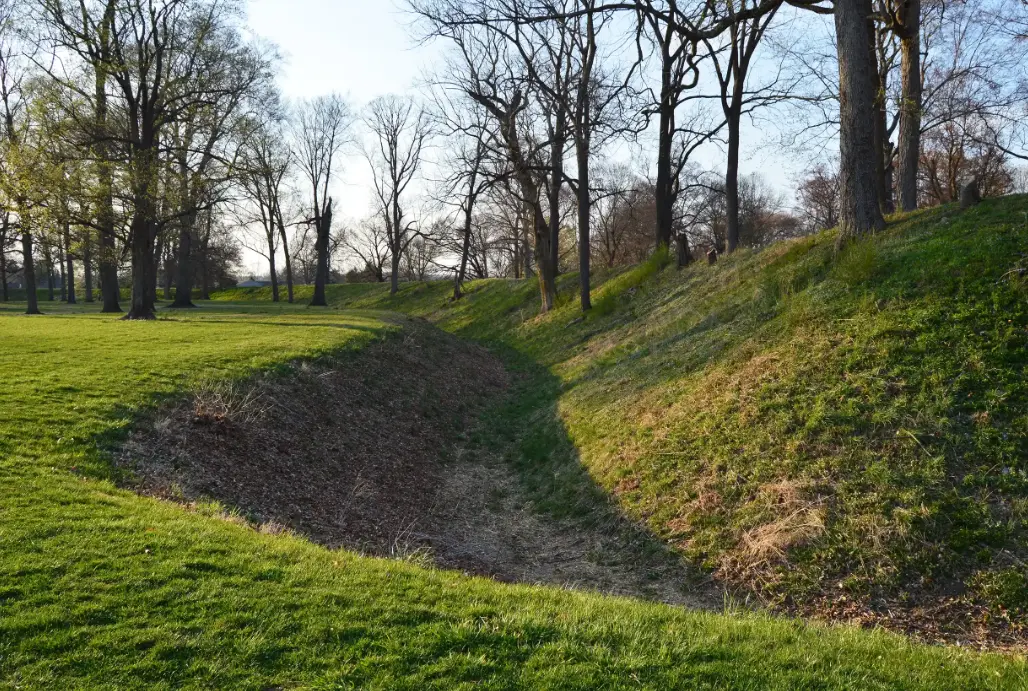
Earthworks encompass the engineering processes involved in moving, shaping, and compacting soil, rock, or other earth materials to create stable foundations for construction projects. These activities include excavation, filling, grading, and compaction, primarily used in building roads, railways, dams, airports, and land developments. The process begins with site surveys and design to determine cut and fill volumes, ensuring environmental compliance and structural integrity. Key considerations include soil stability, drainage, erosion control, and cost efficiency, with modern techniques employing GPS-guided machinery for precision and sustainability. Earthworks form the foundational layer of infrastructure, influencing project timelines and long-term performance.
Table of Contents
- Part 1: Create A Earthworks Quiz in Minutes Using AI with OnlineExamMaker
- Part 2: 20 Earthworks Quiz Questions & Answers
- Part 3: AI Question Generator – Automatically Create Questions for Your Next Assessment
Part 1: Create A Earthworks Quiz in Minutes Using AI with OnlineExamMaker
When it comes to ease of creating a Earthworks skills assessment, OnlineExamMaker is one of the best AI-powered quiz making software for your institutions or businesses. With its AI Question Generator, just upload a document or input keywords about your assessment topic, you can generate high-quality quiz questions on any topic, difficulty level, and format.
Overview of its key assessment-related features:
● AI Question Generator to help you save time in creating quiz questions automatically.
● Share your online exam with audiences on social platforms like Facebook, Twitter, Reddit and more.
● Instantly scores objective questions and subjective answers use rubric-based scoring for consistency.
● Simply copy and insert a few lines of embed codes to display your online exams on your website or WordPress blog.
Automatically generate questions using AI
Part 2: 20 Earthworks Quiz Questions & Answers
or
1. What is the primary purpose of earthworks in civil engineering?
A. To create decorative landscapes
B. To alter the ground surface for construction purposes
C. To plant vegetation
D. To build underground tunnels
Answer: B
Explanation: Earthworks involve moving and shaping soil or rock to prepare sites for construction, such as roads, dams, and buildings, by changing the natural ground level.
2. Which soil type is most suitable for compaction in earthworks?
A. Silty clay
B. Gravel
C. Peat
D. Loose sand
Answer: B
Explanation: Gravel has good drainage and can be easily compacted to achieve high density, making it ideal for stable earthwork foundations.
3. What does the term “cut and fill” refer to in earthworks?
A. Cutting trees and filling gaps
B. Excavating material from one area and using it to build up another
C. Painting surfaces and filling cracks
D. Cutting costs and filling budgets
Answer: B
Explanation: Cut and fill is a method used to balance earth volumes by removing excess soil from high areas (cuts) and placing it in low areas (fills) to achieve the desired grade.
4. Which factor is most critical for slope stability in earthworks?
A. Color of the soil
B. Angle of repose
C. Temperature of the site
D. Wind speed
Answer: B
Explanation: The angle of repose determines the maximum slope angle at which soil remains stable without sliding, directly affecting the safety and longevity of earthwork structures.
5. What equipment is commonly used for excavating large volumes of soil in earthworks?
A. Hand shovels
B. Bulldozers
C. Paintbrushes
D. Microscopes
Answer: B
Explanation: Bulldozers are heavy machinery designed for pushing and moving large quantities of earth efficiently during excavation and grading processes.
6. In earthworks, what is the main cause of soil erosion?
A. Overwatering
B. Wind and water action
C. Adding fertilizers
D. Painting the soil
Answer: B
Explanation: Soil erosion occurs due to natural forces like wind and water, which can wash away or displace soil if not properly controlled in earthwork projects.
7. What is the role of compaction in earthworks?
A. To loosen the soil
B. To increase soil density and strength
C. To add water to the soil
D. To remove rocks
Answer: B
Explanation: Compaction reduces air voids in the soil, making it denser and more resistant to settlement, which is essential for supporting structures in earthworks.
8. Which method is used to calculate the volume of earthwork for a site?
A. Adding random numbers
B. Using the average end area method
C. Counting clouds
D. Measuring wind speed
Answer: B
Explanation: The average end area method calculates the volume by averaging cross-sectional areas along a route and multiplying by the distance, providing an accurate earthwork estimate.
9. What is an embankment in earthworks?
A. A type of fence
B. An artificial ridge of soil or rock built up for support
C. A underground pipe
D. A painted line on the ground
Answer: B
Explanation: Embankments are raised structures created by placing and compacting soil to elevate roads, railways, or dams above the surrounding terrain.
10. Why is site grading important in earthworks?
A. To make the site look colorful
B. To ensure proper drainage and prevent water accumulation
C. To grow plants faster
D. To increase noise levels
Answer: B
Explanation: Grading shapes the land to direct water flow away from structures, reducing the risk of erosion and flooding in earthwork projects.
11. What does the term “borrow pit” mean in earthworks?
A. A place to borrow tools
B. A site where soil or material is excavated for use elsewhere
C. A pit for storing water
D. A hole for planting trees
Answer: B
Explanation: A borrow pit is a source of extra material, like soil or gravel, that is dug out and transported to another location for filling or construction needs.
12. Which test is commonly used to assess soil suitability for earthworks?
A. Taste test
B. Proctor compaction test
C. Smell test
D. Color test
Answer: B
Explanation: The Proctor compaction test determines the optimal moisture content and maximum density of soil, helping ensure it meets the requirements for earthwork stability.
13. In earthworks, what is the purpose of a retaining wall?
A. To retain heat
B. To hold back soil and prevent landslides
C. To retain water for irrigation
D. To retain animals
Answer: B
Explanation: Retaining walls are structures built to support soil laterally and maintain the stability of slopes in earthwork designs.
14. What factor influences the choice of earthmoving equipment?
A. The color of the machinery
B. Soil type and project scale
C. The operator’s favorite brand
D. Weather forecasts
Answer: B
Explanation: Soil type (e.g., clay vs. sand) and the size of the project determine the appropriate equipment for efficient and safe earthmoving operations.
15. How does over-excavation affect earthworks?
A. It makes the site larger for no reason
B. It can lead to instability if not properly backfilled
C. It adds extra cost without benefits
D. Both B and C
Answer: D
Explanation: Over-excavation removes more material than needed, potentially causing structural instability and increasing costs due to the need for additional backfill material.
16. What is the key benefit of using geosynthetics in earthworks?
A. They make the site colorful
B. They reinforce soil and improve drainage
C. They attract birds
D. They change the soil’s taste
Answer: B
Explanation: Geosynthetics, like geotextiles, enhance soil stability, prevent erosion, and facilitate better water management in earthwork applications.
17. Why is moisture content monitored in earthworks?
A. To make the soil wet for fun
B. To ensure proper compaction and avoid shrinkage or swelling
C. To measure rainfall accurately
D. To grow mushrooms
Answer: B
Explanation: Correct moisture content is crucial for achieving optimal soil compaction; too much or too little can lead to settlement issues in earthworks.
18. What is a common challenge in earthworks during rainy seasons?
A. Increased sunlight
B. Soil becoming too slippery and erodible
C. Excessive dryness
D. High temperatures
Answer: B
Explanation: Rain increases soil moisture, making it prone to slipping and erosion, which can delay projects and compromise earthwork integrity.
19. In earthworks, what does “bench terracing” involve?
A. Creating steps on slopes to prevent erosion
B. Building benches for workers
C. Terracing with benches
D. Painting terraces
Answer: A
Explanation: Bench terracing cuts horizontal steps into slopes to reduce runoff, control erosion, and make the land more stable for construction or agriculture.
20. How does vegetation affect earthworks?
A. It adds beauty only
B. It can stabilize slopes and prevent erosion
C. It increases soil acidity
D. It makes excavation easier
Answer: B
Explanation: Vegetation roots bind the soil, reducing erosion and enhancing slope stability, which is a key consideration in long-term earthwork maintenance.
or
Part 3: AI Question Generator – Automatically Create Questions for Your Next Assessment
Automatically generate questions using AI