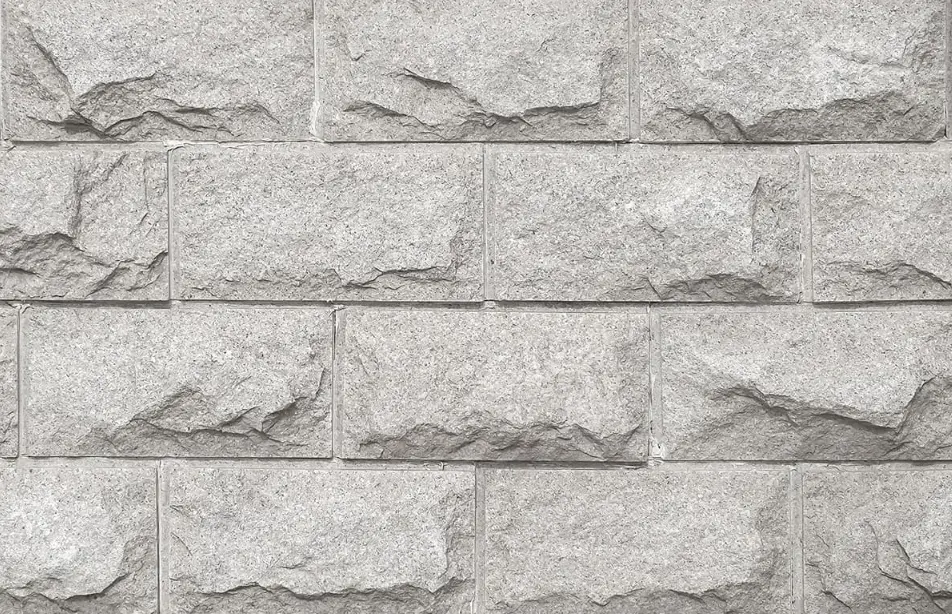
Dimension stone refers to natural rock material quarried and cut into specific sizes and shapes for use in construction, architecture, and design. Unlike crushed stone, it is valued for its aesthetic appeal, durability, and structural integrity.
Types of Dimension Stone:
– Granite: An igneous rock known for its hardness and resistance to weathering, commonly used in countertops, flooring, and monuments.
– Marble: A metamorphic rock with a distinctive veined appearance, ideal for sculptures, tiles, and decorative elements.
– Limestone: A sedimentary rock that is relatively soft and easy to carve, often employed in building facades and paving.
– Sandstone: Another sedimentary rock, valued for its texture and color variations, suitable for walls and landscaping.
– Slate: A fine-grained metamorphic rock that splits into thin layers, frequently used for roofing, flooring, and cladding.
Key Properties:
– High compressive strength and abrasion resistance.
– Natural beauty, including colors, patterns, and textures.
– Low porosity in some types, making them resistant to water and stains.
– Sustainability, as it is a renewable resource when quarried responsibly.
Uses and Applications:
– In construction: For exterior and interior building elements like walls, floors, and countertops.
– In architecture: As cladding, columns, and decorative features in commercial and residential projects.
– In landscaping: For pathways, retaining walls, and outdoor sculptures.
– In monuments and memorials: Due to its longevity and ability to be precisely shaped.
Quarrying and Processing:
– Stones are extracted from quarries using techniques like drilling and blasting.
– Blocks are then cut, shaped, and polished using specialized machinery to meet precise specifications.
– Modern practices emphasize environmental sustainability, including reclamation of quarry sites.
Market and Importance:
– The global dimension stone industry supports economies through mining, manufacturing, and export.
– Demand is driven by urbanization, infrastructure development, and a preference for natural materials in eco-friendly designs.
– It contributes to energy efficiency in buildings due to its thermal properties and low maintenance needs.
This overview highlights dimension stone’s role as a timeless and versatile material in various industries.
Table of Contents
- Part 1: OnlineExamMaker AI Quiz Generator – Save Time and Efforts
- Part 2: 20 Dimension Stone Quiz Questions & Answers
- Part 3: Automatically Generate Quiz Questions Using AI Question Generator
Part 1: OnlineExamMaker AI Quiz Generator – Save Time and Efforts
Still spend a lot of time in editing questions for your next Dimension Stone assessment? OnlineExamMaker is an AI quiz maker that leverages artificial intelligence to help users create quizzes, tests, and assessments quickly and efficiently. You can start by inputting a topic or specific details into the OnlineExamMaker AI Question Generator, and the AI will generate a set of questions almost instantly. It also offers the option to include answer explanations, which can be short or detailed, helping learners understand their mistakes.
What you may like:
● Automatic grading and insightful reports. Real-time results and interactive feedback for quiz-takers.
● The exams are automatically graded with the results instantly, so that teachers can save time and effort in grading.
● LockDown Browser to restrict browser activity during quizzes to prevent students searching answers on search engines or other software.
● OnlineExamMaker API offers private access for developers to extract your exam data back into your system automatically.
Automatically generate questions using AI
Part 2: 20 Dimension Stone Quiz Questions & Answers
or
1. What is dimension stone primarily used for?
A. Road construction
B. Building facades and monuments
C. Soil erosion control
D. Agricultural tools
Answer: B
Explanation: Dimension stone is natural stone cut to specific sizes and shapes for use in construction, such as building exteriors, due to its aesthetic appeal and durability.
2. Which of the following is a common type of dimension stone?
A. Sandstone
B. Concrete
C. Bricks
D. Steel beams
Answer: A
Explanation: Sandstone is a sedimentary rock often used as dimension stone for its workability and resistance to weathering in architectural applications.
3. What geological process primarily forms granite, a popular dimension stone?
A. Sedimentation
B. Volcanic activity
C. Erosion
D. Metamorphism
Answer: B
Explanation: Granite forms from the slow crystallization of magma beneath the Earth’s surface, making it igneous and ideal for dimension stone due to its strength.
4. Which property makes marble suitable for interior applications like countertops?
A. High porosity
B. Low hardness
C. Polished finish and veining
D. Quick weathering
Answer: C
Explanation: Marble’s ability to be polished to a smooth, veined surface enhances its aesthetic value, making it popular for indoor uses despite its relative softness.
5. How is dimension stone typically extracted from quarries?
A. Drilling and blasting
B. Melting and molding
C. Chemical dissolution
D. 3D printing
Answer: A
Explanation: Drilling and blasting are standard methods for extracting dimension stone, allowing for precise cuts while minimizing waste in quarrying operations.
6. Which factor is most important when selecting dimension stone for outdoor sculptures?
A. Color variety
B. Weather resistance
C. Lightweight nature
D. Flexibility
Answer: B
Explanation: Weather resistance ensures that dimension stone like granite can withstand elements such as rain, freeze-thaw cycles, and pollution without degrading.
7. What is the primary difference between limestone and marble as dimension stones?
A. Color only
B. Metamorphism; marble is metamorphosed limestone
C. Hardness; limestone is harder
D. Usage; limestone is only for indoors
Answer: B
Explanation: Marble is formed when limestone undergoes metamorphism, giving it a recrystallized structure that makes it denser and more suitable for polishing.
8. In architecture, dimension stone is often valued for its:
A. Electrical conductivity
B. Thermal insulation
C. Aesthetic and structural qualities
D. Biodegradability
Answer: C
Explanation: Dimension stone provides both visual appeal through natural patterns and structural strength, making it a preferred material in building design.
9. Which environmental concern is associated with dimension stone quarrying?
A. Air pollution from factories
B. Habitat destruction and landscape alteration
C. Ocean acidification
D. Nuclear waste
Answer: B
Explanation: Quarrying for dimension stone can lead to habitat loss and changes in local ecosystems, prompting regulations for sustainable practices.
10. What finish is commonly applied to dimension stone for a smooth, shiny surface?
A. Honed
B. Polished
C. Flamed
D. Bush hammered
Answer: B
Explanation: Polishing dimension stone, such as marble, creates a glossy surface that enhances its reflective properties and is easy to clean.
11. Which dimension stone is known for its use in ancient Egyptian structures?
A. Slate
B. Granite
C. Basalt
D. Quartzite
Answer: B
Explanation: Granite was extensively used in ancient Egyptian monuments like the pyramids due to its durability and availability in the region.
12. Why is quartzite a good choice for high-traffic flooring?
A. It is soft and cushioned
B. It has high abrasion resistance
C. It absorbs water easily
D. It is inexpensive
Answer: B
Explanation: Quartzite’s metamorphic structure gives it exceptional hardness and resistance to wear, making it suitable for areas with heavy foot traffic.
13. What role does the ASTM standard play in dimension stone?
A. It regulates global trade
B. It sets testing methods for quality
C. It defines mining techniques
D. It controls pricing
Answer: B
Explanation: ASTM standards provide guidelines for testing the physical properties of dimension stone, ensuring consistency and safety in construction.
14. Which dimension stone is most prone to staining?
A. Granite
B. Marble
C. Slate
D. Travertine
Answer: B
Explanation: Marble’s porous nature makes it susceptible to stains from liquids, requiring sealants for protection in everyday use.
15. In modern construction, dimension stone is often combined with what material for energy efficiency?
A. Glass
B. Wood
C. Insulation panels
D. Plastic
Answer: C
Explanation: Combining dimension stone with insulation panels helps improve building energy efficiency by reducing heat transfer while maintaining aesthetic appeal.
16. What is the main advantage of using local dimension stone in projects?
A. Lower cost of importation
B. Reduced carbon footprint
C. Increased variety
D. Faster delivery
Answer: B
Explanation: Sourcing dimension stone locally minimizes transportation emissions, supporting sustainable building practices and reducing environmental impact.
17. Which test evaluates the absorption rate of dimension stone?
A. Compressive strength test
B. Water absorption test
C. Flexural strength test
D. Hardness test
Answer: B
Explanation: The water absorption test measures how much moisture dimension stone can take in, which affects its durability and suitability for wet environments.
18. Why is slate commonly used for roofing as dimension stone?
A. Its bright colors
B. Its ability to split into thin layers
C. Its heavy weight
D. Its smooth texture
Answer: B
Explanation: Slate’s natural cleavage allows it to be split into thin, durable sheets, making it waterproof and long-lasting for roofing applications.
19. What historical period saw a resurgence in the use of dimension stone for public buildings?
A. Medieval era
B. Renaissance
C. Industrial Revolution
D. 20th century modernism
Answer: B
Explanation: The Renaissance emphasized classical architecture, leading to increased use of dimension stones like marble in cathedrals and palaces for their grandeur.
20. Which factor determines the market value of dimension stone?
A. Availability of synthetic alternatives
B. Rarity, quality, and finish
C. Government subsidies
D. Seasonal demand
Answer: B
Explanation: The value of dimension stone is influenced by its rarity, such as unique colors or patterns, along with the quality of the finish and overall durability.
or
Part 3: Automatically generate quiz questions using OnlineExamMaker AI Question Generator
Automatically generate questions using AI