Data types are fundamental building blocks in programming and computer science, defining the nature of data that can be stored and manipulated in a program. They specify the size, format, and range of values for variables, ensuring efficient memory usage and preventing errors during operations.
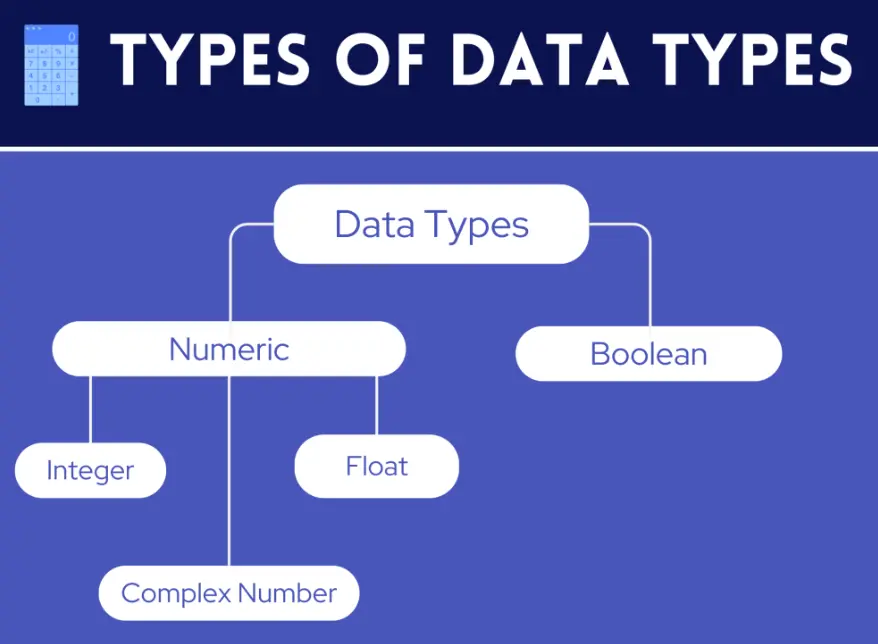
Common data types include:
– Integers: Whole numbers, such as 5, -10, or 0, used for counting and mathematical calculations.
– Floating-point numbers: Decimal values, like 3.14 or -0.001, ideal for measurements and approximations.
– Strings: Sequences of characters, such as “Hello, World!”, for handling text and words.
– Booleans: Binary values of true or false, useful for logical decisions and conditions.
– Arrays: Ordered collections of elements, like [1, 2, 3], for storing multiple values of the same type.
– Characters: Single letters or symbols, such as ‘A’ or ‘$’, often used in text processing.
Data types vary across programming languages; for example, Python uses dynamic typing, while C requires explicit declarations. They play a crucial role in code readability, performance, and debugging by enforcing type safety and guiding data interactions.
Table of Contents
- Part 1: OnlineExamMaker AI Quiz Generator – Save Time and Efforts
- Part 2: 20 Data Types Quiz Questions & Answers
- Part 3: AI Question Generator – Automatically Create Questions for Your Next Assessment
Part 1: OnlineExamMaker AI Quiz Generator – Save Time and Efforts
What’s the best way to create a Data Types quiz online? OnlineExamMaker is the best AI quiz making software for you. No coding, and no design skills required. If you don’t have the time to create your online quiz from scratch, you are able to use OnlineExamMaker AI Question Generator to create question automatically, then add them into your online assessment. What is more, the platform leverages AI proctoring and AI grading features to streamline the process while ensuring exam integrity.
Key features of OnlineExamMaker:
● Combines AI webcam monitoring to capture cheating activities during online exam.
● Allow the quiz taker to answer by uploading video or a Word document, adding an image, and recording an audio file.
● Automatically scores multiple-choice, true/false, and even open-ended/audio responses using AI, reducing manual work.
● OnlineExamMaker API offers private access for developers to extract your exam data back into your system automatically.
Automatically generate questions using AI
Part 2: 20 Data Types Quiz Questions & Answers
or
1. Question: What is the primary data type used to store whole numbers without decimals in programming?
A) Float
B) Integer
C) String
D) Boolean
Answer: B) Integer
Explanation: Integers are designed to hold whole numbers, such as 5 or -3, without any fractional part.
2. Question: Which data type is typically used to store decimal numbers like 3.14?
A) Integer
B) Char
C) Float
D) Boolean
Answer: C) Float
Explanation: Float data types can represent numbers with decimal points, making them suitable for values like 3.14.
3. Question: In programming, what data type is used for storing sequences of characters, such as “Hello”?
A) Integer
B) String
C) Float
D) Array
Answer: B) String
Explanation: Strings are specifically for text data, allowing storage and manipulation of character sequences.
4. Question: Which data type represents true or false values?
A) Integer
B) Float
C) Boolean
D) Char
Answer: C) Boolean
Explanation: Boolean data types hold only two values: true or false, often used in conditional statements.
5. Question: What data type is commonly used to store a single character, like ‘A’?
A) String
B) Integer
C) Char
D) Float
Answer: C) Char
Explanation: Char data types are for single characters, typically enclosed in single quotes.
6. Question: In many programming languages, which data type can hold a collection of elements of the same type?
A) String
B) Array
C) Boolean
D) Float
Answer: B) Array
Explanation: Arrays store multiple values in a single variable, often of the same data type, in a fixed size.
7. Question: What happens when you try to add a string and an integer without conversion?
A) It works directly
B) It results in a type mismatch error
C) It automatically converts to float
D) It creates a boolean
Answer: B) It results in a type mismatch error
Explanation: Different data types like strings and integers require explicit conversion before operations to avoid errors.
8. Question: Which data type is best for storing very large numbers that exceed the range of standard integers?
A) Short
B) Long
C) Byte
D) Char
Answer: B) Long
Explanation: Long data types have a larger range than standard integers, making them suitable for big numerical values.
9. Question: In programming, what data type might be used for storing dates and times?
A) Integer
B) String
C) Date
D) Float
Answer: C) Date
Explanation: Date data types are specifically for handling calendar dates and times, often with built-in functions.
10. Question: Which data type is typically 1 byte in size and used for very small integer values?
A) Integer
B) Byte
C) Long
D) Float
Answer: B) Byte
Explanation: Byte data types store small integers from 0 to 255 (or -128 to 127 in signed versions), conserving memory.
11. Question: What data type allows for the storage of multiple values in key-value pairs?
A) Array
B) Object
C) String
D) Boolean
Answer: B) Object
Explanation: Objects store data as properties with keys and values, enabling complex data structures.
12. Question: In some languages, which data type is used for unsigned integers to allow larger positive values?
A) Signed int
B) Unsigned int
C) Float
D) Char
Answer: B) Unsigned int
Explanation: Unsigned integers exclude negative values, doubling the positive range compared to signed integers.
13. Question: What data type is returned by a function that doesn’t explicitly return a value?
A) Void
B) Integer
C) String
D) Boolean
Answer: A) Void
Explanation: Void indicates that a function does not return any value, used in function declarations.
14. Question: Which data type is ideal for storing binary data, like images or files?
A) String
B) Blob
C) Integer
D) Array
Answer: B) Blob
Explanation: Blob (Binary Large Object) data types are for storing large amounts of binary data efficiently.
15. Question: In programming, what data type might be used for enumerations or a set of named values?
A) Enum
B) Float
C) Boolean
D) Char
Answer: A) Enum
Explanation: Enum data types define a set of named constants, making code more readable and maintainable.
16. Question: Which data type is commonly used in databases for storing variable-length strings?
A) Varchar
B) Integer
C) Date
D) Float
Answer: A) Varchar
Explanation: Varchar allows for strings of varying lengths, optimizing storage compared to fixed-length strings.
17. Question: What data type represents a pointer or reference to another variable’s memory address?
A) Pointer
B) Integer
C) String
D) Array
Answer: A) Pointer
Explanation: Pointer data types hold memory addresses, enabling direct manipulation of data locations.
18. Question: In object-oriented programming, which data type can encapsulate data and methods?
A) Class
B) Integer
C) Boolean
D) Float
Answer: A) Class
Explanation: Classes are blueprints for objects, combining data (attributes) and functions (methods).
19. Question: Which data type is used for storing nullable values that can be nothing or a specific type?
A) Null
B) Optional
C) String
D) Integer
Answer: B) Optional
Explanation: Optional data types indicate that a value might be present or absent, avoiding null pointer errors.
20. Question: What data type is typically used for storing JSON-like structures in modern programming?
A) Dictionary
B) Array
C) Integer
D) Char
Answer: A) Dictionary
Explanation: Dictionary data types store data as key-value pairs, similar to JSON objects, for flexible access.
or
Part 3: AI Question Generator – Automatically Create Questions for Your Next Assessment
Automatically generate questions using AI