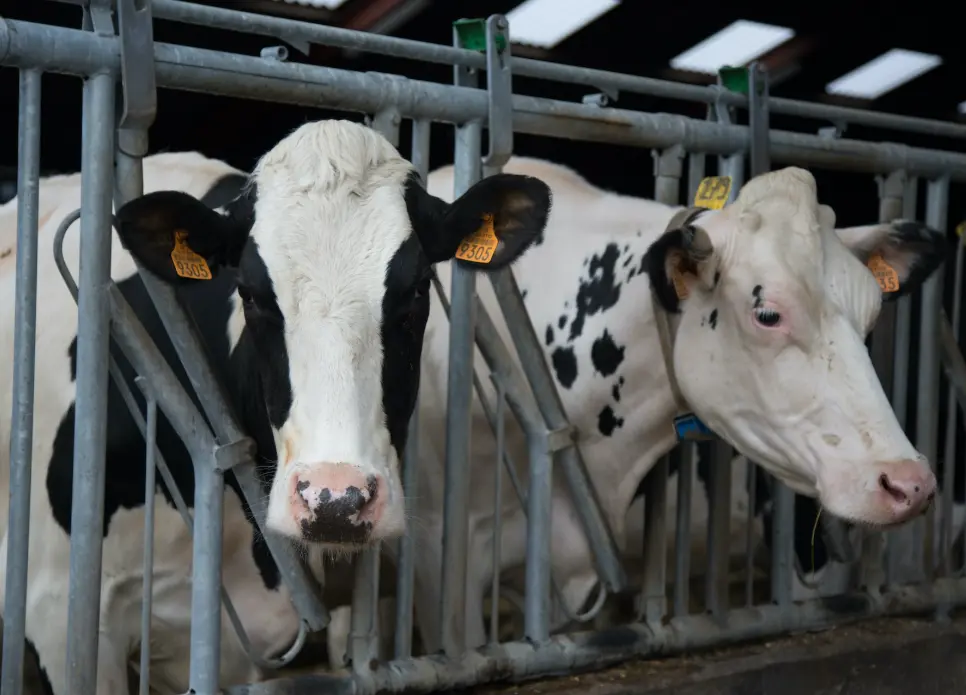
Dairy farming involves the raising and management of livestock, primarily cows, goats, sheep, and buffalo, for the production of milk and its derivatives. This agricultural practice has ancient roots, dating back thousands of years to early civilizations in the Middle East and Asia, where animals were domesticated for food and resources.
Key processes include breeding high-yield animals, providing balanced nutrition through feed and forage, maintaining herd health via vaccinations and veterinary care, and milking using modern equipment like automated systems to ensure efficiency and hygiene. Farmers also focus on reproduction management, such as artificial insemination, to improve genetics and productivity.
Economically, dairy farming is a vital sector worldwide, contributing to global food security and employment. In 2023, the industry generated over $500 billion in revenue globally, with major producers including the United States, India, and the European Union. Products range from fresh milk and cream to processed items like cheese, yogurt, butter, and powdered milk, which are essential in diets and used in various industries.
Challenges include environmental impacts, such as greenhouse gas emissions from livestock and manure management, as well as water usage. Animal welfare is a growing concern, with efforts to adopt humane practices like free-stall housing and pasture access. Diseases like mastitis and foot-and-mouth disease pose risks, requiring strict biosecurity measures.
Sustainable innovations, such as precision farming technologies, organic methods, and renewable energy use in operations, are helping the industry adapt to climate change and consumer demands for ethical and eco-friendly products. Overall, dairy farming balances tradition with modernization to meet rising global demand while addressing sustainability goals.
Table of Contents
- Part 1: Create A Dairy Farming Quiz in Minutes Using AI with OnlineExamMaker
- Part 2: 20 Dairy Farming Quiz Questions & Answers
- Part 3: Automatically Generate Quiz Questions Using AI Question Generator
Part 1: Create A Dairy Farming Quiz in Minutes Using AI with OnlineExamMaker
Are you looking for an online assessment to test the Dairy Farming skills of your learners? OnlineExamMaker uses artificial intelligence to help quiz organizers to create, manage, and analyze exams or tests automatically. Apart from AI features, OnlineExamMaker advanced security features such as full-screen lockdown browser, online webcam proctoring, and face ID recognition.
Recommended features for you:
● Includes a safe exam browser (lockdown mode), webcam and screen recording, live monitoring, and chat oversight to prevent cheating.
● Enhances assessments with interactive experience by embedding video, audio, image into quizzes and multimedia feedback.
● Once the exam ends, the exam scores, question reports, ranking and other analytics data can be exported to your device in Excel file format.
● Offers question analysis to evaluate question performance and reliability, helping instructors optimize their training plan.
Automatically generate questions using AI
Part 2: 20 Dairy Farming Quiz Questions & Answers
or
1. What is the primary breed of dairy cattle known for its high milk production and adaptability to various climates?
A. Angus
B. Holstein
C. Jersey
D. Brahman
Answer: B
Explanation: Holstein cows are renowned for their high milk yield and black-and-white markings, making them the most common breed in commercial dairy farming worldwide.
2. Which nutrient is essential for dairy cows to produce milk with adequate fat content?
A. Protein
B. Fiber
C. Fat
D. Vitamins
Answer: C
Explanation: Dietary fat in a cow’s feed directly influences the fat content in milk, as it provides the necessary energy and precursors for milk fat synthesis.
3. What is the ideal frequency for milking dairy cows to maintain optimal milk production?
A. Once a day
B. Twice a day
C. Three times a day
D. Four times a day
Answer: B
Explanation: Milking twice a day helps stimulate continuous milk production by mimicking the calf’s natural nursing pattern and prevents udder discomfort.
4. Which disease is commonly caused by bacteria in dairy cows and can lead to mastitis?
A. Foot-and-mouth disease
B. Streptococcus agalactiae
C. Brucellosis
D. Tuberculosis
Answer: B
Explanation: Streptococcus agalactiae is a major bacterial cause of contagious mastitis, which inflames the udder and reduces milk quality and quantity.
5. What is the purpose of using silage in dairy cow feeding?
A. To provide fresh water
B. To preserve forage for winter feeding
C. To increase protein levels
D. To treat diseases
Answer: B
Explanation: Silage is fermented, preserved fodder that ensures a steady supply of nutritious feed during periods when fresh pasture is unavailable.
6. Which hormone is primarily responsible for milk let-down in dairy cows?
A. Progesterone
B. Oxytocin
C. Estrogen
D. Insulin
Answer: B
Explanation: Oxytocin triggers the muscles around the alveoli in the udder to contract, releasing milk during the milking process.
7. What is the recommended body condition score for a dairy cow at peak lactation?
A. 1.0 to 2.0
B. 2.5 to 3.5
C. 4.0 to 5.0
D. 5.5 to 6.5
Answer: B
Explanation: A body condition score of 2.5 to 3.5 indicates optimal energy reserves, supporting high milk production without risking health issues like ketosis.
8. Which factor most affects the somatic cell count in milk?
A. Cow’s age
B. Udder infection
C. Feed type
D. Milking equipment
Answer: B
Explanation: High somatic cell counts are primarily due to udder infections like mastitis, which introduce white blood cells into the milk.
9. What is the main advantage of crossbreeding in dairy farming?
A. Increased disease resistance
B. Uniform milk flavor
C. Reduced feed intake
D. Shorter gestation periods
Answer: A
Explanation: Crossbreeding combines traits from different breeds, often resulting in hybrid vigor that enhances disease resistance and overall herd health.
10. Which milking system uses vacuum pressure to extract milk?
A. Hand milking
B. Pipeline milking
C. Robotic milking
D. All of the above
Answer: D
Explanation: All these systems rely on vacuum pressure to stimulate milk flow, though robotic milking automates the process for efficiency.
11. What is the typical lactation period for a dairy cow?
A. 3 months
B. 6 months
C. 10 months
D. 12 months
Answer: C
Explanation: The standard lactation period is about 10 months, during which a cow produces milk after calving, followed by a dry period for recovery.
12. Which mineral deficiency can lead to milk fever in dairy cows?
A. Calcium
B. Phosphorus
C. Iron
D. Sodium
Answer: A
Explanation: Low calcium levels cause milk fever, a metabolic disorder common in high-producing cows after calving, as they mobilize calcium for milk production.
13. What is the role of a TMR (Total Mixed Ration) in dairy cow nutrition?
A. To separate feed components
B. To provide a balanced diet in one mix
C. To increase water intake
D. To reduce milking frequency
Answer: B
Explanation: TMR ensures that cows receive a balanced blend of forages, grains, and supplements, promoting even intake and optimal health.
14. Which practice helps prevent lameness in dairy herds?
A. Overcrowding barns
B. Regular hoof trimming
C. Feeding high-sugar diets
D. Reducing exercise
Answer: B
Explanation: Regular hoof trimming maintains proper foot structure, reducing the risk of lameness caused by uneven wear or infections.
15. What is the primary goal of artificial insemination in dairy farming?
A. To increase herd size quickly
B. To improve genetic quality
C. To reduce calving intervals
D. To eliminate breeding costs
Answer: B
Explanation: Artificial insemination allows farmers to use superior bull genetics, enhancing traits like milk yield and disease resistance in the offspring.
16. Which environmental factor can negatively impact milk production?
A. Moderate temperatures
B. High humidity
C. Clean bedding
D. Fresh air ventilation
Answer: B
Explanation: High humidity can lead to heat stress in cows, reducing feed intake and milk production by impairing the cow’s ability to cool itself.
17. What does the term “dry cow” refer to in dairy farming?
A. A cow that produces low-fat milk
B. A non-lactating cow before calving
C. A cow fed only dry feed
D. A cow with dry skin
Answer: B
Explanation: A dry cow is one that has stopped lactating and is in a rest period before giving birth, allowing udder recovery and nutrient buildup.
18. Which vaccine is commonly used to protect dairy cows from clostridial diseases?
A. Rabies vaccine
B. Brucella vaccine
C. Clostridium vaccine
D. Influenza vaccine
Answer: C
Explanation: Clostridium vaccines prevent diseases like blackleg and tetanus, which can affect the health and productivity of dairy herds.
19. What is the effect of overfeeding concentrates to dairy cows?
A. Improved milk quality
B. Increased risk of acidosis
C. Enhanced reproduction
D. Better hoof health
Answer: B
Explanation: Overfeeding concentrates can lead to ruminal acidosis, disrupting the cow’s digestive balance and potentially causing laminitis or reduced production.
20. Which method is used to measure the efficiency of a dairy farm?
A. Milk yield per cow
B. Total herd size
C. Feed conversion ratio
D. Both A and C
Answer: D
Explanation: Milk yield per cow and feed conversion ratio are key metrics that assess production efficiency, helping farmers optimize resources and profitability.
or
Part 3: Automatically generate quiz questions using OnlineExamMaker AI Question Generator
Automatically generate questions using AI