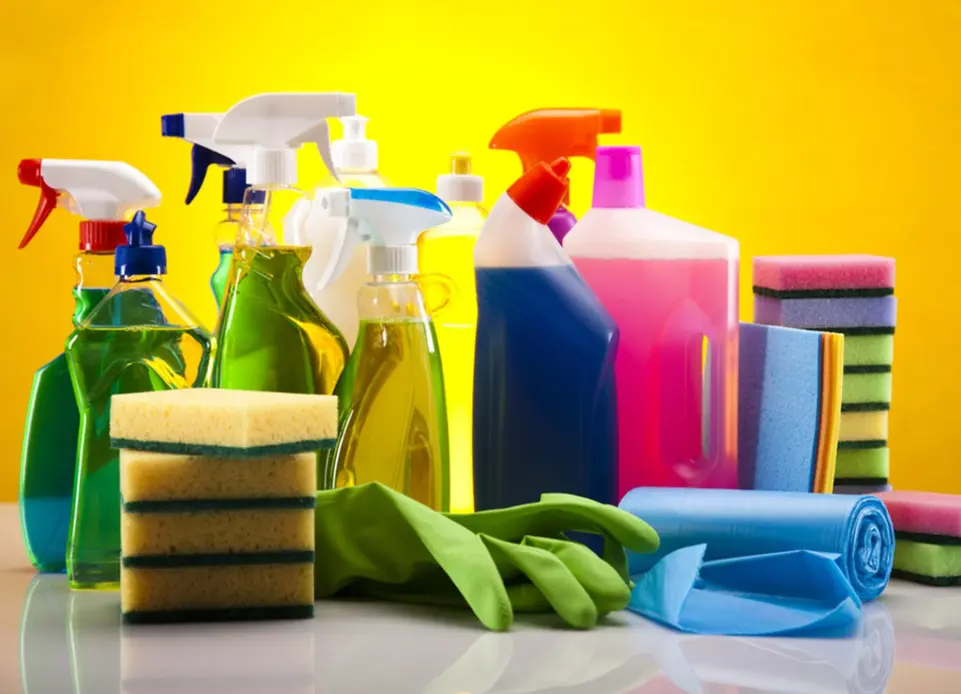
Cleaning products are essential household and industrial items designed to remove dirt, grime, stains, and pathogens from surfaces, fabrics, and objects. They typically contain surfactants, solvents, enzymes, and disinfectants to enhance cleaning efficiency.
Types of Cleaning Products:
– All-Purpose Cleaners: Versatile formulas for general surfaces like counters, floors, and appliances, often in spray or liquid form.
– Dishwashing Products: Soaps and detergents for cleaning dishes, pots, and utensils, available as liquids, gels, or tablets.
– Laundry Detergents: Powders, liquids, or pods that remove stains and odors from clothing, with options for sensitive skin or eco-friendly ingredients.
– Disinfectants and Sanitizers: Alcohol-based sprays, wipes, or solutions that kill bacteria, viruses, and fungi, commonly used in kitchens and bathrooms.
– Specialized Cleaners: Products for specific tasks, such as glass cleaners, oven cleaners, bathroom scrubs, or carpet shampoos.
Key Ingredients and Considerations:
– Common ingredients include surfactants for breaking down grease, acids or bases for tough stains, and fragrances for freshness.
– Many products are formulated as eco-friendly alternatives with biodegradable components to minimize environmental impact.
– Safety is crucial; always follow label instructions, wear protective gear, and store out of reach of children.
Uses and Benefits:
– In homes, they maintain hygiene and prevent illness by eliminating germs.
– In commercial settings, such as hospitals or offices, they ensure sanitation and compliance with health standards.
– Advances in technology have led to innovations like antimicrobial and enzyme-based cleaners for better performance.
Selecting the right cleaning product depends on the surface, stain type, and user preferences for scent, price, or sustainability. Always test on a small area first to avoid damage.
Table of Contents
- Part 1: Create A Cleaning Products Quiz in Minutes Using AI with OnlineExamMaker
- Part 2: 20 Cleaning Products Quiz Questions & Answers
- Part 3: OnlineExamMaker AI Question Generator: Generate Questions for Any Topic
Part 1: Create A Cleaning Products Quiz in Minutes Using AI with OnlineExamMaker
Are you looking for an online assessment to test the Cleaning Products skills of your learners? OnlineExamMaker uses artificial intelligence to help quiz organizers to create, manage, and analyze exams or tests automatically. Apart from AI features, OnlineExamMaker advanced security features such as full-screen lockdown browser, online webcam proctoring, and face ID recognition.
Recommended features for you:
● Includes a safe exam browser (lockdown mode), webcam and screen recording, live monitoring, and chat oversight to prevent cheating.
● Enhances assessments with interactive experience by embedding video, audio, image into quizzes and multimedia feedback.
● Once the exam ends, the exam scores, question reports, ranking and other analytics data can be exported to your device in Excel file format.
● Offers question analysis to evaluate question performance and reliability, helping instructors optimize their training plan.
Automatically generate questions using AI
Part 2: 20 Cleaning Products Quiz Questions & Answers
or
Question 1:
What is the primary function of a surfactant in cleaning products?
A) To kill bacteria
B) To reduce surface tension and remove dirt
C) To provide fragrance
D) To bleach fabrics
Answer: B
Explanation: Surfactants lower the surface tension of water, allowing it to mix with oils and dirt for effective removal.
Question 2:
Which ingredient is commonly found in bathroom cleaners to dissolve mineral deposits?
A) Ammonia
B) Vinegar
C) Bleach
D) Alcohol
Answer: A
Explanation: Ammonia is a base that reacts with acidic mineral deposits like limescale, making it easier to clean surfaces.
Question 3:
What type of cleaning product is most effective for killing viruses on surfaces?
A) Detergent
B) Disinfectant
C) Soap
D) Polish
Answer: B
Explanation: Disinfectants are specifically formulated to destroy or inhibit the growth of microorganisms, including viruses, on non-porous surfaces.
Question 4:
Why should bleach not be mixed with ammonia-based cleaners?
A) It creates a pleasant odor
B) It produces toxic gases
C) It reduces cleaning efficiency
D) It causes discoloration
Answer: B
Explanation: Mixing bleach (sodium hypochlorite) with ammonia produces chloramine gases, which are harmful and can cause respiratory issues.
Question 5:
Which cleaning product is best for removing grease from kitchen surfaces?
A) Glass cleaner
B) Degreaser
C) Furniture polish
D) Carpet shampoo
Answer: B
Explanation: Degreasers contain solvents that break down and dissolve grease, making them ideal for oily kitchen messes.
Question 6:
What is the main purpose of using a pH-neutral cleaner?
A) To brighten colors
B) To avoid damaging sensitive surfaces
C) To kill mold
D) To add shine
Answer: B
Explanation: pH-neutral cleaners have a balanced pH level (around 7), which minimizes the risk of corroding or altering materials like marble or wood.
Question 7:
Which factor should be considered when choosing an eco-friendly cleaning product?
A) Strong fragrance
B) Biodegradable ingredients
C) High cost
D) Fast-drying formula
Answer: B
Explanation: Eco-friendly products often use biodegradable ingredients that break down naturally, reducing environmental pollution.
Question 8:
What does the term “all-purpose cleaner” imply?
A) It is only for windows
B) It can be used on a variety of surfaces
C) It is specialized for carpets
D) It requires dilution
Answer: B
Explanation: All-purpose cleaners are versatile and designed to clean multiple surfaces like counters, floors, and appliances without causing damage.
Question 9:
Why is it important to rinse surfaces after using an acidic cleaner?
A) To prevent slipping
B) To remove residue that could cause damage or irritation
C) To enhance shine
D) To speed up drying
Answer: B
Explanation: Acidic cleaners can leave behind residues that may etch surfaces or irritate skin, so rinsing ensures safety and cleanliness.
Question 10:
Which cleaning product is typically used for sanitizing food preparation areas?
A) Laundry detergent
B) Antibacterial wipes
C) Oven cleaner
D) Dish soap
Answer: B
Explanation: Antibacterial wipes are formulated to kill bacteria on surfaces, making them suitable for high-risk areas like kitchen counters.
Question 11:
What is a common risk associated with aerosol cleaning sprays?
A) They are too expensive
B) They can cause respiratory irritation if inhaled
C) They leave streaks
D) They are ineffective on hard surfaces
Answer: B
Explanation: Aerosol sprays release fine particles that can be inhaled, potentially causing irritation to the lungs or triggering allergies.
Question 12:
Which type of cleaner is most suitable for hardwood floors?
A) Abrasive powder
B) Mild, non-abrasive cleaner
C) Bleach solution
D) Acidic stripper
Answer: B
Explanation: Mild, non-abrasive cleaners protect the finish of hardwood floors without scratching or damaging the wood.
Question 13:
What ingredient in some cleaners helps prevent static electricity on fabrics?
A) Enzymes
B) Fabric softeners
C) Solvents
D) Bleach
Answer: B
Explanation: Fabric softeners contain compounds that coat fibers, reducing static buildup and making clothes easier to handle.
Question 14:
Why should cleaning products be stored out of reach of children?
A) To keep them organized
B) To prevent accidental poisoning or misuse
C) To maintain their potency
D) To save space
Answer: B
Explanation: Many cleaning products contain toxic chemicals that can cause harm if ingested or mishandled by children.
Question 15:
Which cleaning method is recommended for electronic devices?
A) Submerging in water
B) Using a microfiber cloth with isopropyl alcohol
C) Applying bleach wipes
D) Spraying directly with all-purpose cleaner
Answer: B
Explanation: A microfiber cloth with isopropyl alcohol safely removes dust and grime without causing electrical damage or residue.
Question 16:
What is the role of enzymes in some biological cleaners?
A) To add color
B) To break down organic stains like proteins and fats
C) To disinfect surfaces
D) To provide foam
Answer: B
Explanation: Enzymes in biological cleaners target and digest specific organic materials, making them effective for stains without harsh chemicals.
Question 17:
Which factor indicates a cleaning product is concentrated?
A) It needs to be diluted with water
B) It has a strong smell
C) It comes in a large bottle
D) It is colorful
Answer: A
Explanation: Concentrated products are designed to be mixed with water, allowing for more uses and reducing packaging waste.
Question 18:
What should you do if a cleaning product gets in your eyes?
A) Rub your eyes
B) Rinse with water immediately
C) Wait for it to dry
D) Apply lotion
Answer: B
Explanation: Rinsing with water helps flush out the irritant and prevents further damage to the eyes from chemical exposure.
Question 19:
Which cleaning product is ideal for removing mold and mildew?
A) Glass cleaner
B) Fungicidal spray
C) Dish soap
D) Carpet cleaner
Answer: B
Explanation: Fungicidal sprays contain agents that target and eliminate mold and mildew spores, preventing regrowth.
Question 20:
What is the benefit of using microfiber cloths with cleaning products?
A) They increase the need for chemicals
B) They trap dirt effectively without scratching
C) They add extra moisture
D) They require more water
Answer: B
Explanation: Microfiber cloths have fine fibers that attract and hold dust and dirt, allowing for efficient cleaning with less product and reduced risk of surface damage.
or
Part 3: OnlineExamMaker AI Question Generator: Generate Questions for Any Topic
Automatically generate questions using AI