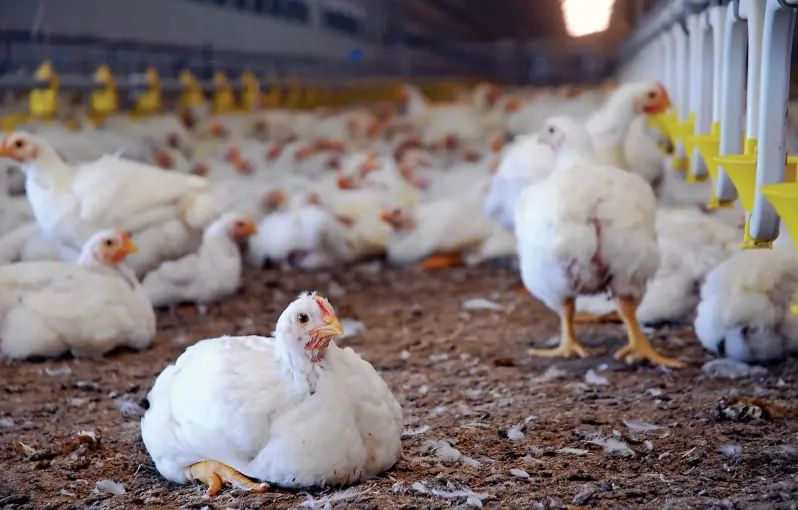
Chicken farming, also known as poultry farming, involves raising chickens for meat, eggs, and sometimes feathers or manure. It is one of the most widespread agricultural activities globally, providing affordable protein and supporting livelihoods in both rural and urban areas.
History and Evolution
Chicken farming dates back thousands of years, originating in Southeast Asia with the domestication of wild jungle fowl around 8,000 years ago. It spread through trade routes, evolving into commercial operations during the Industrial Revolution. Today, modern techniques like selective breeding and automation have made it a high-efficiency industry, with global production reaching over 100 billion chickens annually.
Types of Chicken Farming
– Broiler Farming: Focuses on raising chickens for meat, typically using fast-growing breeds that reach market weight in 5-7 weeks. This type dominates commercial operations due to high demand for poultry products.
– Layer Farming: Involves hens bred for egg production, which can lay up to 300 eggs per year. These farms often use cage systems or free-range setups to optimize output.
– Dual-Purpose Farming: Combines meat and egg production, common in small-scale or sustainable operations, where breeds like Rhode Island Reds are used.
– Free-Range and Organic Farming: Emphasizes animal welfare, with chickens allowed outdoor access and fed organic feed, appealing to ethical consumers.
Key Practices
Successful chicken farming requires careful management:
– Housing: Chickens need shelters that protect from predators, weather, and diseases. Options include barns, coops, or mobile units for free-range systems.
– Feeding: A balanced diet of grains, proteins, vitamins, and minerals ensures healthy growth. Commercial feeds are formulated to meet specific needs, reducing waste and promoting efficiency.
– Health Management: Regular vaccinations, biosecurity measures, and monitoring prevent outbreaks of diseases like avian influenza. Parasite control and clean water are essential.
– Breeding and Reproduction: Artificial insemination and genetic selection improve traits like growth rate and disease resistance. Incubators hatch eggs under controlled conditions.
– Sustainability: Practices like waste recycling for fertilizer and energy-efficient lighting help minimize environmental impact.
Economic and Social Aspects
Chicken farming is economically viable due to its quick turnaround and low startup costs compared to other livestock. It generates jobs, supports food security, and contributes to exports in many countries. For instance, the U.S. and China lead in production, with the industry valued at over $400 billion worldwide.
Challenges and Future Trends
Challenges include disease outbreaks, antibiotic resistance, and environmental concerns like pollution from waste. Climate change affects feed availability and bird health. Emerging trends focus on technology, such as AI for monitoring flocks, and sustainable methods like vertical farming to reduce land use.
Overall, chicken farming remains a dynamic sector, balancing profitability with ethical and environmental responsibilities to meet growing global demand.
Table of Contents
- Part 1: Create An Amazing Chicken Farming Quiz Using AI Instantly in OnlineExamMaker
- Part 2: 20 Chicken Farming Quiz Questions & Answers
- Part 3: Automatically Generate Quiz Questions Using AI Question Generator
Part 1: Create An Amazing Chicken Farming Quiz Using AI Instantly in OnlineExamMaker
Nowadays more and more people create Chicken Farming quizzes using AI technologies, OnlineExamMaker a powerful AI-based quiz making tool that can save you time and efforts. The software makes it simple to design and launch interactive quizzes, assessments, and surveys. With the Question Editor, you can create multiple-choice, open-ended, matching, sequencing and many other types of questions for your tests, exams and inventories. You are allowed to enhance quizzes with multimedia elements like images, audio, and video to make them more interactive and visually appealing.
Recommended features for you:
● Prevent cheating by randomizing questions or changing the order of questions, so learners don’t get the same set of questions each time.
● Automatically generates detailed reports—individual scores, question report, and group performance.
● Simply copy a few lines of codes, and add them to a web page, you can present your online quiz in your website, blog, or landing page.
● Offers question analysis to evaluate question performance and reliability, helping instructors optimize their training plan.
Automatically generate questions using AI
Part 2: 20 Chicken Farming Quiz Questions & Answers
or
1. What is the primary purpose of layer chickens in farming?
A) Meat production
B) Egg production
C) Feather production
D) Pest control
Answer: B
Explanation: Layer chickens are specifically bred and managed for high egg production, typically laying eggs consistently throughout their productive life cycle.
2. Which breed of chicken is commonly known for its fast growth and suitability for meat production?
A) Leghorn
B) Rhode Island Red
C) Broiler (e.g., Cobb)
D) Bantam
Answer: C
Explanation: Broiler breeds like Cobb are selected for rapid weight gain and efficient feed conversion, making them ideal for meat production in a short period.
3. What is the ideal temperature range for brooding newly hatched chicks?
A) 15-20°C (59-68°F)
B) 30-35°C (86-95°F)
C) 21-25°C (70-77°F)
D) 10-15°C (50-59°F)
Answer: B
Explanation: Newly hatched chicks require a warm environment around 30-35°C to maintain body heat, as they cannot regulate their temperature effectively initially.
4. Which nutrient is most critical for eggshell formation in laying hens?
A) Protein
B) Calcium
C) Vitamin C
D) Iron
Answer: B
Explanation: Calcium is essential for forming strong eggshells; a deficiency can lead to thin-shelled or soft eggs, affecting overall egg quality.
5. What is the main function of a chicken coop in farming?
A) To provide exercise space
B) To offer protection from predators and weather
C) To store feed
D) To incubate eggs
Answer: B
Explanation: A chicken coop serves as a secure shelter, protecting birds from environmental elements, predators, and diseases, which is vital for their health and productivity.
6. How often should water be provided to chickens to maintain optimal health?
A) Once a day
B) Every other day
C) Constant access
D) Only during feeding
Answer: C
Explanation: Chickens need constant access to fresh, clean water to prevent dehydration, support digestion, and ensure overall metabolic functions.
7. What disease is commonly prevented by vaccinating chickens against Marek’s disease?
A) Respiratory infections
B) Tumors and paralysis
C) Diarrhea
D) Egg drop syndrome
Answer: B
Explanation: Marek’s disease is a viral infection that causes tumors and neurological issues; vaccination early in life is a standard practice to protect flocks.
8. Which factor is most important for biosecurity in a chicken farm?
A) Using colorful feed
B) Controlling access to the farm
C) Playing music for the birds
D) Increasing flock size
Answer: B
Explanation: Controlling access helps prevent the introduction of diseases from outside sources, such as wild birds or contaminated equipment.
9. What is the typical feed conversion ratio for broiler chickens?
A) 1:10 (1 kg feed for 10 kg gain)
B) 1:2 (1 kg feed for 2 kg gain)
C) 2:1 (2 kg feed for 1 kg gain)
D) 1:1 (1 kg feed for 1 kg gain)
Answer: B
Explanation: Broilers have an efficient feed conversion ratio of about 1:2, meaning they convert feed into body weight effectively, which is key for profitable meat production.
10. Why is proper ventilation essential in chicken housing?
A) To keep the birds warm
B) To reduce ammonia levels and prevent respiratory issues
C) To increase humidity
D) To limit natural light
Answer: B
Explanation: Good ventilation removes harmful gases like ammonia from droppings, reduces moisture, and maintains air quality, preventing diseases and stress in birds.
11. What is the average age at which laying hens start producing eggs?
A) 1-2 weeks
B) 16-20 weeks
C) 30-40 weeks
D) 50-60 weeks
Answer: B
Explanation: Laying hens typically reach sexual maturity and begin laying eggs around 16-20 weeks, depending on breed and management practices.
12. Which method is used for artificial incubation of chicken eggs?
A) Placing eggs under a broody hen
B) Using an electric incubator
C) Burying eggs in the ground
D) Exposing eggs to sunlight
Answer: B
Explanation: Electric incubators provide controlled temperature, humidity, and turning, mimicking natural conditions to hatch eggs efficiently on a large scale.
13. How can farmers reduce the risk of cannibalism in flocks?
A) Overcrowding the birds
B) Providing adequate space and enrichment
C) Feeding spicy food
D) Keeping lights on 24/7
Answer: B
Explanation: Adequate space, perches, and environmental enrichment reduce stress and boredom, which are common triggers for cannibalism in dense populations.
14. What is the primary benefit of free-range chicken farming?
A) Lower production costs
B) Improved animal welfare and potentially better egg quality
C) Faster growth rates
D) Reduced need for vaccinations
Answer: B
Explanation: Free-range systems allow birds to forage outdoors, promoting natural behaviors, better health, and higher quality products, though it may increase disease risks.
15. Why is record-keeping important in chicken farming?
A) To decorate the farm
B) To track production, health, and financial data for better management
C) To entertain visitors
D) To increase feed consumption
Answer: B
Explanation: Accurate records help monitor flock performance, identify issues early, and make informed decisions on breeding, feeding, and disease control.
16. Which parasite is commonly controlled using deworming in chickens?
A) Roundworms
B) Fleas
C) Mosquitoes
D) Bees
Answer: A
Explanation: Roundworms are internal parasites that can cause weight loss and reduced egg production; regular deworming is a key health management practice.
17. What role does lighting play in layer chicken production?
A) It has no effect
B) It stimulates egg laying by mimicking longer daylight hours
C) It cools the birds
D) It repels predators
Answer: B
Explanation: Controlled lighting extends the perceived day length, triggering hormonal changes that increase egg production in laying hens.
18. How does overfeeding affect broiler chickens?
A) It improves feather quality
B) It can lead to obesity, reduced mobility, and health issues
C) It speeds up egg production
D) It eliminates the need for water
Answer: B
Explanation: Overfeeding can cause excessive fat deposition, joint problems, and a higher risk of diseases, negatively impacting growth efficiency and welfare.
19. What is the best way to handle waste in a chicken farm?
A) Leaving it to accumulate
B) Composting or proper disposal to prevent disease spread
C) Using it as bird feed
D) Burning it daily
Answer: B
Explanation: Proper waste management, such as composting, reduces environmental pollution, controls odors, and minimizes the risk of pathogen transmission.
20. Which factor most influences the profitability of a chicken farm?
A) The color of the chickens
B) Efficient management of costs, feed, and market sales
C) The farm’s location in a city
D) The number of visitors
Answer: B
Explanation: Profitability depends on optimizing inputs like feed and labor, while maximizing outputs like egg or meat sales, through effective business practices.
or
Part 3: Automatically generate quiz questions using OnlineExamMaker AI Question Generator
Automatically generate questions using AI