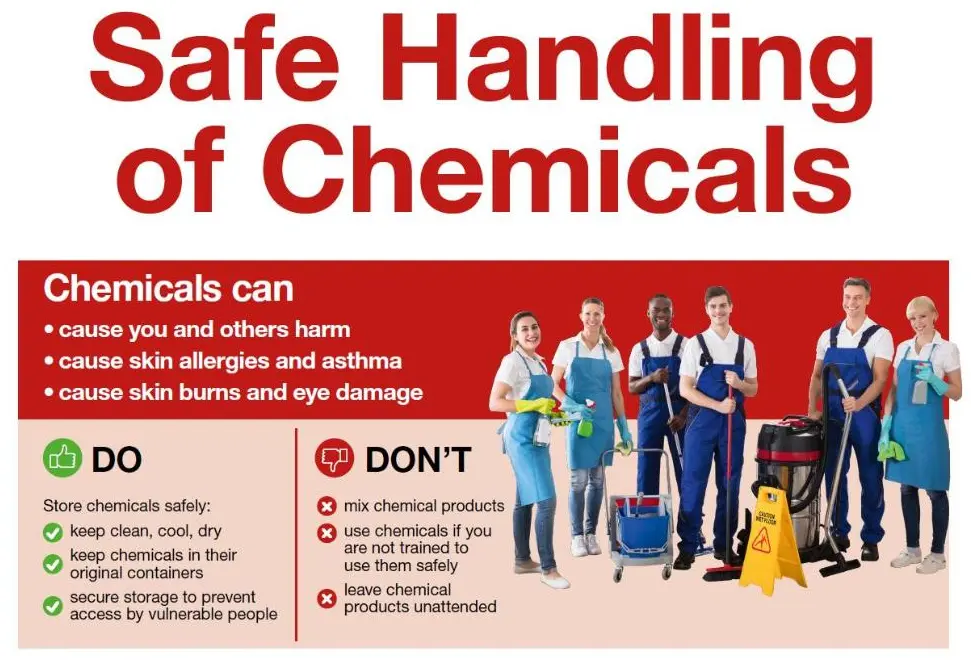
Chemical Handling Safety is a critical aspect of workplace and laboratory protocols designed to minimize risks associated with hazardous substances. It involves understanding the properties of chemicals, such as their toxicity, flammability, reactivity, and corrosiveness, to prevent accidents, injuries, and environmental contamination.
Key principles include:
– Risk Assessment: Always evaluate chemicals using Safety Data Sheets (SDS) to identify hazards before handling, storage, or disposal.
– Personal Protective Equipment (PPE): Wear appropriate gear, such as gloves, safety goggles, lab coats, and respirators, to create a barrier against exposure.
– Safe Handling Practices: Use tools like tongs or pipettes for transfers, avoid eating or drinking in chemical areas, and ensure good ventilation to reduce inhalation risks.
– Storage and Labeling: Store chemicals in compatible containers, in designated cool, dry areas away from incompatible substances, and label all containers clearly with contents, hazards, and expiration dates.
– Emergency Preparedness: Know the location of safety showers, eyewash stations, and fire extinguishers; have spill kits ready; and be trained in first aid for chemical exposures, such as flushing skin or eyes with water.
– Training and Compliance: Regular training sessions for personnel on proper procedures, along with adherence to regulations like OSHA or REACH, help foster a culture of safety and prevent long-term health issues.
By following these guidelines, organizations can protect workers, maintain operational efficiency, and ensure regulatory compliance.
Table of Contents
- Part 1: OnlineExamMaker – Generate and Share Chemical Handling Safety Quiz with AI Automatically
- Part 2: 20 Chemical Handling Safety Quiz Questions & Answers
- Part 3: AI Question Generator – Automatically Create Questions for Your Next Assessment
Part 1: OnlineExamMaker – Generate and Share Chemical Handling Safety Quiz with AI Automatically
The quickest way to assess the Chemical Handling Safety knowledge of candidates is using an AI assessment platform like OnlineExamMaker. With OnlineExamMaker AI Question Generator, you are able to input content—like text, documents, or topics—and then automatically generate questions in various formats (multiple-choice, true/false, short answer). Its AI Exam Grader can automatically grade the exam and generate insightful reports after your candidate submit the assessment.
What you will like:
● Create a question pool through the question bank and specify how many questions you want to be randomly selected among these questions.
● Allow the quiz taker to answer by uploading video or a Word document, adding an image, and recording an audio file.
● Display the feedback for correct or incorrect answers instantly after a question is answered.
● Create a lead generation form to collect an exam taker’s information, such as email, mobile phone, work title, company profile and so on.
Automatically generate questions using AI
Part 2: 20 Chemical Handling Safety Quiz Questions & Answers
or
Question 1:
What is the first step when handling a chemical spill?
A. Clean up the spill immediately
B. Evacuate the area if necessary and alert others
C. Apply a neutralizing agent
D. Continue working and monitor the spill
Answer: B
Explanation: The first step is to ensure safety by evacuating the area if the spill poses a risk and alerting others, as this prevents exposure and allows for proper response.
Question 2:
Which personal protective equipment (PPE) is essential when working with corrosive chemicals?
A. Safety goggles
B. Latex gloves
C. Earplugs
D. Steel-toed boots
Answer: A
Explanation: Safety goggles protect the eyes from splashes and fumes of corrosive chemicals, reducing the risk of severe injury.
Question 3:
How should flammable chemicals be stored?
A. In direct sunlight
B. In a cool, dry, and well-ventilated area away from ignition sources
C. Near electrical equipment
D. In open containers
Answer: B
Explanation: Storing flammable chemicals in a cool, dry, and well-ventilated area away from ignition sources minimizes the risk of fire or explosion.
Question 4:
What does an MSDS (Material Safety Data Sheet) provide?
A. Instructions for chemical synthesis
B. Information on the chemical’s hazards, handling, and emergency measures
C. The cost of the chemical
D. Marketing details for the product
Answer: B
Explanation: An MSDS provides critical information on a chemical’s hazards, safe handling procedures, and emergency response to ensure proper safety protocols are followed.
Question 5:
Which of the following is a sign of chemical exposure through inhalation?
A. Skin rash
B. Dizziness or difficulty breathing
C. Eye irritation
D. Nausea
Answer: B
Explanation: Inhalation symptoms like dizziness or difficulty breathing indicate immediate exposure, requiring evacuation and medical attention to prevent further harm.
Question 6:
When transporting chemicals, what is the primary safety concern?
A. Speed of transport
B. Securing containers to prevent leaks or spills
C. The color of the containers
D. The weight of the load
Answer: B
Explanation: Securing containers prevents leaks or spills during transport, reducing the risk of accidents, exposure, or environmental contamination.
Question 7:
What should you do if you get a chemical on your skin?
A. Wipe it off with a cloth
B. Rinse the affected area with plenty of water for at least 15 minutes
C. Apply a bandage immediately
D. Ignore it if it doesn’t burn
Answer: B
Explanation: Rinsing with water for at least 15 minutes dilutes and removes the chemical, minimizing absorption and potential injury.
Question 8:
Which chemical hazard symbol indicates a flammable substance?
A. Skull and crossbones
B. Flame
C. Exclamation mark
D. Corrosion
Answer: B
Explanation: The flame symbol denotes flammable substances, alerting users to the risk of fire and the need for precautions like avoiding open flames.
Question 9:
Why is it important to check chemical compatibility before mixing?
A. To ensure the mixture creates a new color
B. To prevent violent reactions, fires, or toxic gas release
C. To save time in experiments
D. To reduce the cost of chemicals
Answer: B
Explanation: Checking compatibility prevents dangerous reactions that could lead to explosions, fires, or the release of harmful gases.
Question 10:
What is the purpose of a chemical fume hood?
A. To store chemicals safely
B. To contain and vent hazardous vapors away from the user
C. To heat chemicals quickly
D. To mix chemicals
Answer: B
Explanation: A fume hood protects users by containing and venting hazardous vapors, reducing inhalation risks in the workspace.
Question 11:
When should you wear a lab coat in a chemical handling area?
A. Only if chemicals are visible
B. At all times to protect clothing and skin from splashes
C. Never, as it restricts movement
D. Only during clean-up
Answer: B
Explanation: A lab coat provides a barrier against chemical splashes, protecting skin and clothing from exposure during handling.
Question 12:
What action should be taken if a chemical fire occurs?
A. Use water to extinguish it
B. Use the appropriate fire extinguisher based on the chemical type
C. Open windows for ventilation
D. Leave the door open
Answer: B
Explanation: Using the correct fire extinguisher (e.g., for Class B fires) ensures effective extinguishment without worsening the situation.
Question 13:
How often should safety training for chemical handling be conducted?
A. Once a year
B. As needed, based on new chemicals or incidents
C. Never, after initial training
D. Every five years
Answer: B
Explanation: Regular training based on new chemicals or incidents keeps handlers updated on risks and procedures, maintaining a safe environment.
Question 14:
What is the correct way to dispose of chemical waste?
A. Pour it down the drain
B. Follow specific guidelines for segregation, labeling, and professional disposal
C. Mix it with regular trash
D. Leave it in open containers
Answer: B
Explanation: Proper disposal through segregation, labeling, and professional services prevents environmental contamination and health hazards.
Question 15:
Which factor increases the risk of chemical exposure?
A. Working in a well-ventilated area
B. Poor housekeeping and cluttered workspaces
C. Using approved containers
D. Wearing full PPE
Answer: B
Explanation: Poor housekeeping leads to spills, leaks, and accidental exposure, whereas organized spaces reduce these risks.
Question 16:
What does the term “LD50” represent in chemical safety?
A. The lethal dose that kills 50% of test subjects
B. The safe dosage limit
C. The storage limit for chemicals
D. The explosion risk level
Answer: A
Explanation: LD50 indicates the dose required to kill 50% of test subjects, helping assess the toxicity and set safety thresholds.
Question 17:
Why should chemicals be labeled clearly?
A. For aesthetic purposes
B. To identify contents, hazards, and handling instructions quickly
C. To match the container color
D. To indicate the purchase date
Answer: B
Explanation: Clear labeling ensures users can identify hazards and follow proper procedures, preventing accidents from misuse.
Question 18:
What is the recommended response to a chemical splash in the eye?
A. Rub the eye gently
B. Use an eyewash station for at least 15 minutes
C. Apply a cold compress
D. Wait for symptoms to subside
Answer: B
Explanation: Immediate rinsing with an eyewash station for at least 15 minutes removes the chemical and minimizes eye damage.
Question 19:
Which practice helps prevent chemical ingestion?
A. Eating in the lab area
B. Washing hands thoroughly after handling chemicals
C. Sharing lab equipment
D. Storing food near chemicals
Answer: B
Explanation: Washing hands after handling chemicals removes residues, reducing the risk of accidental ingestion.
Question 20:
What should be included in an emergency response plan for chemical incidents?
A. Only phone numbers for supervisors
B. Procedures for evacuation, first aid, and contacting emergency services
C. Daily work schedules
D. Chemical purchase records
Answer: B
Explanation: A comprehensive plan with evacuation routes, first aid steps, and emergency contacts ensures a quick and effective response to incidents.
or
Part 3: AI Question Generator – Automatically Create Questions for Your Next Assessment
Automatically generate questions using AI