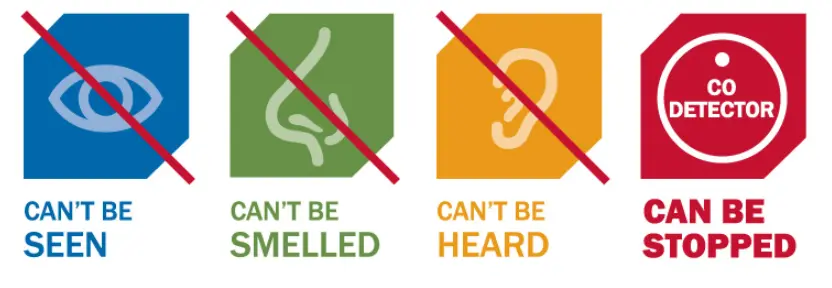
Carbon monoxide (CO) is a colorless, odorless, and tasteless gas that can be deadly if not detected early. It is produced by the incomplete burning of fuels such as gas, oil, wood, or coal, commonly from sources like faulty furnaces, vehicles in enclosed spaces, gas stoves, or generators.
This gas poses a serious risk because it binds to hemoglobin in the blood, preventing oxygen from reaching vital organs, which can lead to poisoning, brain damage, or death. Symptoms often mimic the flu, including headaches, dizziness, weakness, nausea, confusion, and in severe cases, loss of consciousness.
To ensure safety, install carbon monoxide detectors on every level of your home, particularly near sleeping areas, and test them monthly. Maintain proper ventilation by ensuring appliances are well-maintained and exhaust fumes are directed outside. Never use generators, grills, or vehicles indoors, and have your heating systems inspected annually by a professional.
If you suspect CO exposure, evacuate immediately to fresh air and call emergency services. Remember, prevention is key—regular checks and awareness can save lives.
Table of Contents
- Part 1: OnlineExamMaker AI Quiz Generator – Save Time and Efforts
- Part 2: 20 Carbon Monoxide Safety Quiz Questions & Answers
- Part 3: AI Question Generator – Automatically Create Questions for Your Next Assessment
Part 1: OnlineExamMaker AI Quiz Generator – Save Time and Efforts
Still spend a lot of time in editing questions for your next Carbon Monoxide Safety assessment? OnlineExamMaker is an AI quiz maker that leverages artificial intelligence to help users create quizzes, tests, and assessments quickly and efficiently. You can start by inputting a topic or specific details into the OnlineExamMaker AI Question Generator, and the AI will generate a set of questions almost instantly. It also offers the option to include answer explanations, which can be short or detailed, helping learners understand their mistakes.
What you may like:
● Automatic grading and insightful reports. Real-time results and interactive feedback for quiz-takers.
● The exams are automatically graded with the results instantly, so that teachers can save time and effort in grading.
● LockDown Browser to restrict browser activity during quizzes to prevent students searching answers on search engines or other software.
● OnlineExamMaker API offers private access for developers to extract your exam data back into your system automatically.
Automatically generate questions using AI
Part 2: 20 Carbon Monoxide Safety Quiz Questions & Answers
or
1. What is carbon monoxide (CO)?
A) A harmless gas produced by plants
B) A colorless, odorless gas produced by burning fuel
C) A visible gas from industrial processes
D) A liquid used in cleaning products
Answer: B
Explanation: Carbon monoxide is a colorless, odorless gas that results from the incomplete combustion of fuels like gas, oil, or wood, making it dangerous because it’s hard to detect without proper equipment.
2. Which of the following is a common source of carbon monoxide in homes?
A) Electric heaters
B) Faulty gas furnaces
C) Solar panels
D) LED lights
Answer: B
Explanation: Faulty gas furnaces can produce CO due to incomplete burning of fuel, whereas electric devices like heaters and LED lights do not produce CO.
3. What is the primary symptom of low-level carbon monoxide poisoning?
A) Severe vomiting
B) Headaches and dizziness
C) Skin rashes
D) Broken bones
Answer: B
Explanation: Low-level CO exposure often causes headaches, dizziness, and nausea, which can be mistaken for flu-like symptoms, making early detection crucial.
4. How does carbon monoxide affect the human body?
A) It provides extra oxygen to the blood
B) It binds to hemoglobin, reducing oxygen delivery
C) It strengthens the immune system
D) It increases blood pressure immediately
Answer: B
Explanation: CO binds to hemoglobin in red blood cells more readily than oxygen, preventing the body from getting the oxygen it needs, which can lead to tissue damage.
5. What should you do if you suspect carbon monoxide in your home?
A) Open all windows and doors immediately
B) Turn on all appliances to ventilate
C) Ignore it if no one feels sick
D) Evacuate and call emergency services
Answer: D
Explanation: Evacuating the area and calling emergency services is the safest action, as CO is undetectable by smell or sight, and exposure can be fatal.
6. Which device is specifically designed to detect carbon monoxide?
A) Smoke detector
B) Carbon monoxide detector
C) Thermostat
D) Humidity sensor
Answer: B
Explanation: A carbon monoxide detector is equipped to sense CO levels in the air and alert occupants, unlike smoke detectors which only detect smoke particles.
7. Why is it important to install CO detectors on every level of a home?
A) To save on electricity bills
B) Because CO is lighter than air and rises
C) To monitor temperature changes
D) Because CO can accumulate at different heights
Answer: D
Explanation: CO can spread throughout a home and accumulate at various levels, so detectors on every floor ensure comprehensive monitoring and early warning.
8. What is a key prevention method for carbon monoxide poisoning from vehicles?
A) Running the car engine in a closed garage
B) Using the car’s heater in winter
C) Never leaving the car idling in an enclosed space
D) Parking in direct sunlight
Answer: C
Explanation: Idling a vehicle in an enclosed space can produce deadly CO levels, so avoiding this practice prevents buildup and potential poisoning.
9. Which group is most vulnerable to carbon monoxide poisoning?
A) Healthy adults
B) Infants and elderly people
C) Athletes
D) Teenagers
Answer: B
Explanation: Infants, elderly individuals, and those with health conditions have reduced ability to tolerate CO, making them more susceptible to its effects.
10. How often should CO detectors be tested?
A) Once a year
B) Every month
C) Never, as they are maintenance-free
D) Every six months
Answer: B
Explanation: Testing CO detectors monthly ensures they are functioning properly, as batteries can wear out and sensors can fail over time.
11. What should you do before using a portable generator?
A) Place it inside the house for safety
B) Use it in a well-ventilated outdoor area
C) Cover it with a tarp while running
D) Connect it directly to indoor outlets
Answer: B
Explanation: Generators produce CO and must be used outdoors in well-ventilated areas to prevent the gas from entering living spaces.
12. Which appliance is least likely to produce carbon monoxide?
A) Gas stove
B) Electric oven
C) Wood-burning fireplace
D) Propane heater
Answer: B
Explanation: Electric ovens do not burn fuel, so they do not produce CO, unlike gas, wood, or propane appliances which can if not properly maintained.
13. What are the long-term effects of repeated low-level CO exposure?
A) Improved memory
B) Heart and brain damage
C) Increased energy levels
D) Stronger lungs
Answer: B
Explanation: Prolonged exposure can lead to permanent damage to the heart and brain due to oxygen deprivation, even at low levels.
14. Why should you never use a gas grill indoors?
A) It might cause a fire
B) It produces carbon monoxide
C) It wastes fuel
D) It makes food taste bad
Answer: B
Explanation: Gas grills emit CO when burning fuel, and using them indoors can lead to dangerous accumulation of the gas in enclosed spaces.
15. What is the first aid step for someone exposed to carbon monoxide?
A) Give them caffeine to wake them up
B) Move them to fresh air and call for help
C) Wrap them in blankets
D) Offer them water immediately
Answer: B
Explanation: The priority is to get the person to fresh air to stop further exposure and then seek medical help, as CO poisoning requires professional treatment.
16. How can you reduce the risk of CO from heating systems?
A) Seal all vents to keep heat in
B) Have annual professional inspections
C) Overload the system with fuel
D) Use extension cords for connections
Answer: B
Explanation: Regular professional inspections ensure heating systems are functioning correctly and not leaking CO, preventing potential hazards.
17. What does a CO detector alarm typically sound like?
A) A continuous beep
B) A series of chirps
C) A loud siren with a voice alert
D) It varies by model
Answer: D
Explanation: CO detectors can have different alarm sounds depending on the model, but they are designed to be distinct and attention-grabbing to prompt immediate action.
18. Which factor increases the risk of CO poisoning in winter?
A) Using air conditioners
B) Poorly ventilated heating devices
C) Swimming in cold water
D) Eating seasonal foods
Answer: B
Explanation: In winter, people often use heating devices that may not be properly ventilated, leading to CO buildup in sealed homes.
19. Why is carbon monoxide called the “silent killer”?
A) Because it makes loud noises
B) Because it’s invisible and odorless
C) Because it only affects animals
D) Because it’s rare
Answer: B
Explanation: CO is colorless, odorless, and tasteless, making it impossible to detect without alarms, which is why it’s dangerous and often fatal.
20. What legal requirement might exist for CO detectors in rental properties?
A) They are optional
B) They must be installed in every bedroom
C) Landlords must provide them in certain regions
D) They are only needed in new buildings
Answer: C
Explanation: Many regions require landlords to install CO detectors in rental properties to protect tenants, though specific laws vary by location.
or
Part 3: AI Question Generator – Automatically Create Questions for Your Next Assessment
Automatically generate questions using AI