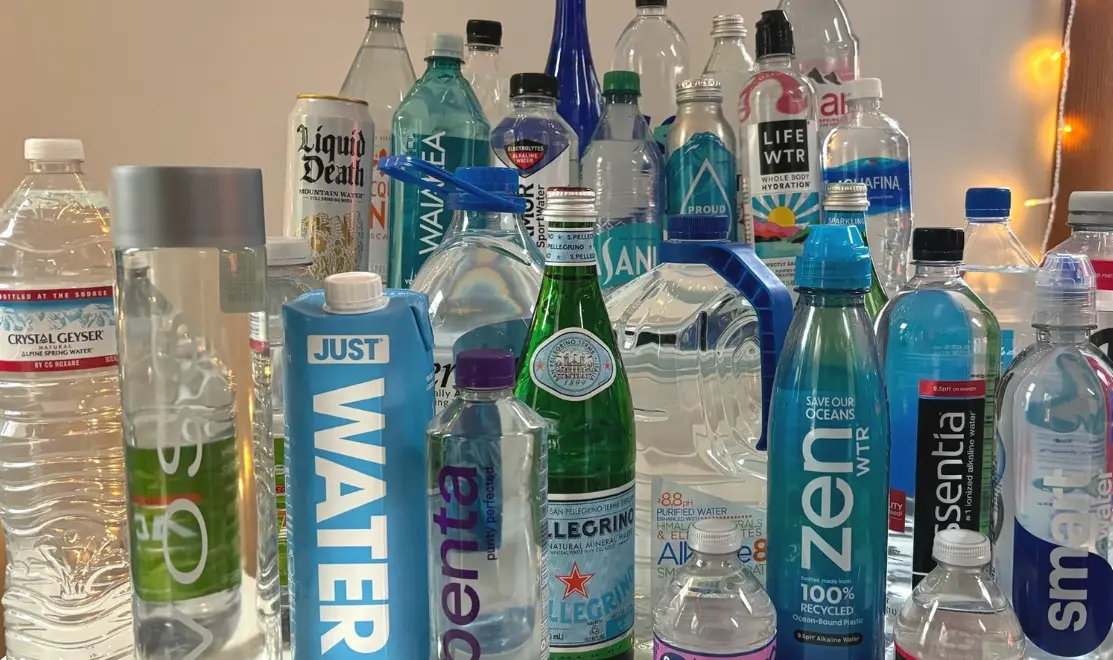
Bottled water refers to drinking water that is sealed in plastic, glass, or other containers for commercial sale and consumption. It is sourced from natural springs, municipal supplies, or purified through processes like filtration and distillation.
Types of bottled water include:
– Spring water: Collected from underground sources and bottled at the source.
– Purified water: Treated to remove impurities, often through reverse osmosis or distillation.
– Mineral water: Contains natural minerals and electrolytes, sourced from mineral-rich springs.
– Sparkling water: Carbonated water, which may be naturally effervescent or artificially carbonated.
– Flavored water: Infused with natural or artificial flavors, often with minimal calories.
The bottled water industry has experienced rapid growth since the 1970s, driven by concerns over tap water quality, convenience, and health trends. Global consumption exceeds 300 billion liters annually, with major markets in North America, Europe, and Asia.
Benefits of bottled water include portability, perceived purity, and accessibility for outdoor activities, travel, and emergencies. It is often marketed for its taste, pH balance, and added minerals.
However, environmental impacts are significant, including plastic pollution, high energy use in production and transportation, and resource depletion. Efforts to address these include recyclable packaging and reusable bottle initiatives.
Key players in the market include Nestlé, PepsiCo, and Coca-Cola, which dominate with brands like Poland Spring, Aquafina, and Dasani. Regulatory standards, such as those from the FDA in the U.S. and EFSA in Europe, ensure safety and labeling accuracy.
Table of Contents
- Part 1: OnlineExamMaker AI Quiz Generator – Save Time and Efforts
- Part 2: 20 Bottled Water Quiz Questions & Answers
- Part 3: AI Question Generator – Automatically Create Questions for Your Next Assessment
Part 1: OnlineExamMaker AI Quiz Generator – Save Time and Efforts
Still spend a lot of time in editing questions for your next Bottled Water assessment? OnlineExamMaker is an AI quiz maker that leverages artificial intelligence to help users create quizzes, tests, and assessments quickly and efficiently. You can start by inputting a topic or specific details into the OnlineExamMaker AI Question Generator, and the AI will generate a set of questions almost instantly. It also offers the option to include answer explanations, which can be short or detailed, helping learners understand their mistakes.
What you may like:
● Automatic grading and insightful reports. Real-time results and interactive feedback for quiz-takers.
● The exams are automatically graded with the results instantly, so that teachers can save time and effort in grading.
● LockDown Browser to restrict browser activity during quizzes to prevent students searching answers on search engines or other software.
● OnlineExamMaker API offers private access for developers to extract your exam data back into your system automatically.
Automatically generate questions using AI
Part 2: 20 Bottled Water Quiz Questions & Answers
or
Question 1: What is the primary ingredient in most bottled water?
A) Minerals
B) Water
C) Flavorings
D) Carbonation
Answer: B
Explanation: Bottled water is essentially purified or sourced water, with the main component being H2O, though it may include natural minerals.
Question 2: Which process is commonly used to purify bottled water?
A) Boiling
B) Reverse osmosis
C) Freezing
D) Fermentation
Answer: B
Explanation: Reverse osmosis filters out impurities and contaminants, making it a standard purification method for bottled water production.
Question 3: What environmental concern is often associated with bottled water?
A) Air pollution
B) Plastic waste
C) Soil erosion
D) Noise pollution
Answer: B
Explanation: The production and disposal of plastic bottles contribute significantly to plastic waste in landfills and oceans.
Question 4: Which type of bottled water is sourced from underground springs?
A) Purified water
B) Spring water
C) Distilled water
D) Sparkling water
Answer: B
Explanation: Spring water is collected from natural underground sources, often containing minerals from the earth.
Question 5: Why might bottled water taste different from tap water?
A) Added sugars
B) Filtration methods
C) Higher pH levels
D) Artificial colors
Answer: B
Explanation: Bottled water undergoes specific filtration and treatment processes that can alter its taste compared to untreated tap water.
Question 6: What is the typical pH range for most bottled water?
A) 1-3
B) 4-6
C) 6.5-8.5
D) 9-11
Answer: C
Explanation: Most bottled water has a neutral to slightly alkaline pH, making it safe and palatable for consumption.
Question 7: Which factor influences the shelf life of bottled water?
A) Exposure to light
B) Added vitamins
C) Bottle color
D) Label design
Answer: A
Explanation: Exposure to light can cause bottled water to degrade, potentially affecting its quality and taste over time.
Question 8: What regulation governs bottled water safety in the United States?
A) FDA standards
B) EPA guidelines
C) WHO rules
D) Local laws only
Answer: A
Explanation: The FDA sets standards for bottled water quality and safety, ensuring it meets criteria similar to drinking water regulations.
Question 9: Which bottled water type is carbonated?
A) Still water
B) Sparkling water
C) Mineral water
D) Purified water
Answer: B
Explanation: Sparkling water is infused with carbon dioxide, giving it bubbles, unlike non-carbonated types.
Question 10: How does bottled water impact hydration compared to tap water?
A) It hydrates faster
B) It provides the same hydration
C) It doesn’t hydrate at all
D) It causes dehydration
Answer: B
Explanation: Both bottled and tap water hydrate the body equally, as long as they are safe and consumed properly.
Question 11: What is a common source of minerals in bottled mineral water?
A) Added supplements
B) Natural rock formations
C) Chemical treatments
D) Ocean salts
Answer: B
Explanation: Minerals in bottled mineral water come from natural geological sources, like rocks and soils, during the water’s journey.
Question 12: Why is some bottled water labeled as “artesian”?
A) It’s artificially created
B) It’s from a pressurized underground aquifer
C) It’s distilled multiple times
D) It’s flavored with herbs
Answer: B
Explanation: Artesian water is sourced from a confined aquifer under natural pressure, which forces it to the surface.
Question 13: What health risk is associated with consuming contaminated bottled water?
A) Improved immunity
B) Gastrointestinal issues
C) Increased energy
D) Better skin health
Answer: B
Explanation: Contaminated bottled water can lead to gastrointestinal problems due to bacteria, viruses, or chemicals.
Question 14: Which material is most commonly used for bottled water containers?
A) Glass
B) Aluminum
C) Plastic (PET)
D) Cardboard
Answer: C
Explanation: PET plastic is lightweight, durable, and widely used for bottled water due to its cost-effectiveness and recyclability.
Question 15: How does recycling bottled water containers help the environment?
A) Reduces energy use
B) Increases water pollution
C) Creates more plastic
D) Depletes natural resources
Answer: A
Explanation: Recycling plastic bottles saves energy and reduces the need for new plastic production, lowering overall environmental impact.
Question 16: What is the difference between purified and spring water?
A) Purified water has additives
B) Spring water is treated with chemicals
C) Purified water is filtered, while spring water is naturally sourced
D) They are the same
Answer: C
Explanation: Purified water undergoes processing to remove impurities, whereas spring water is bottled directly from natural sources.
Question 17: Why might people choose bottled water over tap water?
A) Lower cost
B) Perceived purity and convenience
C) Better taste always
D) Environmental benefits
Answer: B
Explanation: Many prefer bottled water for its portability and the belief that it is cleaner, though tap water is often equally safe.
Question 18: What effect can long-term storage have on bottled water?
A) Improves flavor
B) Introduces contaminants
C) No effect
D) Enhances minerals
Answer: B
Explanation: Over time, bottled water can leach chemicals from the plastic or be exposed to external contaminants if not stored properly.
Question 19: Which global organization sets guidelines for drinking water quality?
A) FDA
B) WHO
C) EPA
D) ISO
Answer: B
Explanation: The World Health Organization (WHO) provides international guidelines for water quality, which many countries adapt for bottled water.
Question 20: What is a key advantage of reusable bottled water containers?
A) They are cheaper initially
B) They reduce plastic waste
C) They add flavors
D) They expire faster
Answer: B
Explanation: Reusable containers help minimize single-use plastic waste, promoting sustainability in water consumption.
or
Part 3: AI Question Generator – Automatically Create Questions for Your Next Assessment
Automatically generate questions using AI