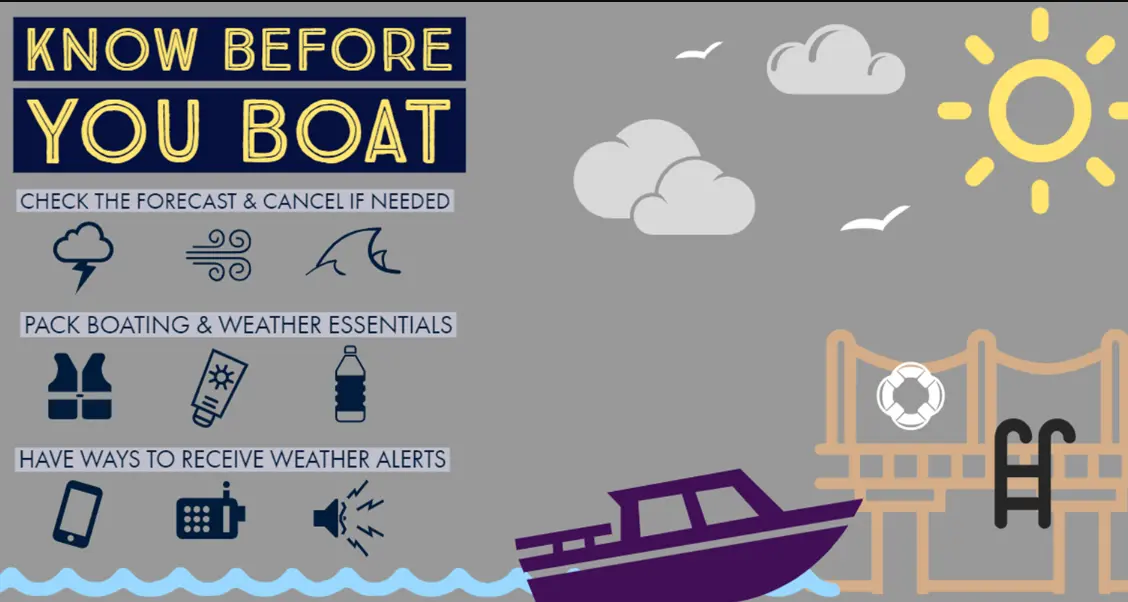
Boating safety is essential for ensuring enjoyable and incident-free experiences on the water. Always wear a properly fitted life jacket, as it can be the difference between life and death in an emergency. Before setting out, inspect your boat thoroughly: check the hull for damage, ensure the engine is functioning, verify that navigation lights work, and confirm you have enough fuel and emergency supplies like flares, a first-aid kit, and a fire extinguisher.
Familiarize yourself with local boating regulations, including speed limits, no-wake zones, and required permits. Never operate a boat under the influence of alcohol or drugs, and designate a sober operator. Keep a constant eye on weather conditions; sudden storms can arise, so monitor forecasts and be prepared to return to shore if needed.
Maintain a safe distance from other vessels, swimmers, and obstacles, and use appropriate signals like horns or flags to communicate. If someone falls overboard, throw a flotation device immediately and execute a safe rescue maneuver. Enroll in a boating safety course to learn about navigation rules, such as the right-of-way principles, and practice emergency procedures regularly.
Remember, children and inexperienced boaters require extra supervision. By prioritizing safety, you protect yourself, your passengers, and the environment, turning every outing into a responsible adventure.
Table of Contents
- Part 1: OnlineExamMaker – Generate and Share Boating Safety Quiz with AI Automatically
- Part 2: 20 Boating Safety Quiz Questions & Answers
- Part 3: AI Question Generator – Automatically Create Questions for Your Next Assessment
Part 1: OnlineExamMaker – Generate and Share Boating Safety Quiz with AI Automatically
OnlineExamMaker is a powerful AI-powered assessment platform to create auto-grading Boating Safety skills assessments. It’s designed for educators, trainers, businesses, and anyone looking to generate engaging quizzes without spending hours crafting questions manually. The AI Question Generator feature allows you to input a topic or specific details, and it generates a variety of question types automatically.
Top features for assessment organizers:
● Prevent cheating by randomizing questions or changing the order of questions, so learners don’t get the same set of questions each time.
● AI Exam Grader for efficiently grading quizzes and assignments, offering inline comments, automatic scoring, and “fudge points” for manual adjustments.
● Embed quizzes on websites, blogs, or share via email, social media (Facebook, Twitter), or direct links.
● Handles large-scale testing (thousands of exams/semester) without internet dependency, backed by cloud infrastructure.
Automatically generate questions using AI
Part 2: 20 Boating Safety Quiz Questions & Answers
or
1. What is the minimum age requirement for operating a personal watercraft in many U.S. states?
A. 12 years old
B. 14 years old
C. 16 years old
D. 18 years old
Answer: C
Explanation: The minimum age is often 16 years old to ensure operators have the maturity and skills needed to handle the risks associated with personal watercraft.
2. Which of the following is a key component of a boat’s navigation lights?
A. A single white light
B. Red and green sidelights
C. A flashing blue light
D. Yellow stern light
Answer: B
Explanation: Red and green sidelights indicate the port and starboard sides of the boat, helping other vessels determine the direction and safe passing.
3. What should you do if your boat capsizes in calm water?
A. Swim to shore immediately
B. Stay with the boat and signal for help
C. Dive underwater to check for damage
D. Remove your life jacket to swim faster
Answer: B
Explanation: Staying with the boat provides flotation and makes it easier for rescuers to spot you, increasing your chances of survival.
4. How often should you check the weather forecast before going boating?
A. Once a week
B. The day before and the morning of the trip
C. Only if you’re planning a long trip
D. Never, as weather changes are unpredictable
Answer: B
Explanation: Checking the forecast the day before and the morning of helps account for sudden changes, allowing you to avoid dangerous conditions like storms.
5. What is the purpose of a kill switch on a boat?
A. To increase engine speed
B. To shut off the engine if the operator falls overboard
C. To activate the bilge pump
D. To turn on navigation lights
Answer: B
Explanation: A kill switch automatically stops the engine if the operator is thrown overboard, preventing the boat from running unattended and causing accidents.
6. Which type of fire extinguisher is suitable for electrical fires on a boat?
A. Class A
B. Class B
C. Class C
D. Class D
Answer: C
Explanation: Class C fire extinguishers are designed for electrical fires, as they do not conduct electricity, making them safe for use on boat wiring or engines.
7. What does the term “right of way” mean in boating?
A. The boat that goes fastest has priority
B. The privilege of proceeding first in an encounter
C. The boat with the most passengers
D. The boat closest to the shore
Answer: B
Explanation: Right of way rules help prevent collisions by defining which vessel should yield, based on factors like size and maneuverability.
8. Why is it important to avoid alcohol while boating?
A. It can make the boat go faster
B. It impairs judgment and reaction time
C. It helps with navigation
D. It keeps you warm in cold water
Answer: B
Explanation: Alcohol impairs coordination, decision-making, and balance, increasing the risk of accidents, falls overboard, or collisions.
9. What should be included in a boat’s emergency kit?
A. Extra fuel only
B. First-aid supplies, flares, and a whistle
C. Fishing gear and snacks
D. Navigation maps only
Answer: B
Explanation: An emergency kit with first-aid supplies, flares, and a whistle provides essential tools for treating injuries, signaling for help, and surviving until rescue.
10. When is the best time to perform a pre-departure check on your boat?
A. After you’ve already launched
B. Before leaving the dock
C. During the trip
D. At the end of the day
Answer: B
Explanation: A pre-departure check ensures all safety equipment is functional and the boat is seaworthy, preventing issues that could arise once you’re on the water.
11. What is the recommended way to enter cold water to avoid shock?
A. Jump in headfirst
B. Enter gradually
C. Dive from a high platform
D. Swim quickly to warm up
Answer: B
Explanation: Entering cold water gradually helps prevent cold water shock, which can cause gasping, hyperventilation, and increased risk of drowning.
12. How many people should wear a life jacket at all times on a boat?
A. Only children
B. Only the captain
C. Everyone on board
D. No one, if the water is calm
Answer: C
Explanation: Wearing life jackets at all times ensures immediate flotation in case of an unexpected fall overboard, regardless of swimming ability or water conditions.
13. What does a prolonged blast of a horn mean in boating?
A. Danger ahead
B. Warning of another vessel
C. I am leaving the dock
D. I am operating in restricted visibility
Answer: D
Explanation: A prolonged blast signals that a vessel is navigating in fog or poor visibility, alerting other boats to its presence and helping avoid collisions.
14. Why should you maintain a proper lookout while boating?
A. To enjoy the scenery
B. To detect other vessels, hazards, or swimmers
C. To check the engine temperature
D. To listen to the radio
Answer: B
Explanation: A proper lookout helps identify potential dangers early, allowing time to take evasive action and prevent accidents.
15. What is the main cause of boating accidents involving carbon monoxide?
A. Leaking fuel tanks
B. Poorly maintained exhaust systems
C. Overloading the boat
D. High winds
Answer: B
Explanation: Poorly maintained exhaust systems can release carbon monoxide into the cabin or near swimmers, leading to poisoning due to the gas being odorless and deadly.
16. How should you dispose of hazardous waste from your boat?
A. Throw it overboard
B. Take it to a designated recycling center
C. Leave it on the dock
D. Burn it on board
Answer: B
Explanation: Proper disposal at a recycling center prevents pollution of waterways, protecting marine life and maintaining environmental safety.
17. What is the safest speed to maintain in a crowded waterway?
A. As fast as possible
B. A speed that allows for safe maneuvering
C. Slower than the posted limit
D. Faster than other boats
Answer: B
Explanation: Maintaining a speed that allows for safe maneuvering reduces the risk of collisions in crowded areas by giving you time to react to other vessels or obstacles.
18. Why is it important to know the capacity plate on your boat?
A. To know how many fishing rods it can hold
B. To determine the maximum weight and number of people
C. To check the boat’s color
D. To find the manufacturing date
Answer: B
Explanation: The capacity plate indicates the maximum safe load, helping prevent overloading, which can lead to capsizing or sinking.
19. What action should you take if you see a red flag with a white diagonal stripe?
A. Proceed as normal
B. Stay away from the area
C. Speed up
D. Anchor immediately
Answer: B
Explanation: This flag indicates a diver down, signaling potential hazards, and you should stay at least 100 feet away to avoid accidents.
20. How can you prevent propeller strike injuries?
A. Turn off the engine when people are in the water
B. Swim near the propeller
C. Increase boat speed
D. Ignore safety zones
Answer: A
Explanation: Turning off the engine when people are in the water eliminates the risk of the propeller striking someone, as these injuries can be fatal.
or
Part 3: AI Question Generator – Automatically Create Questions for Your Next Assessment
Automatically generate questions using AI