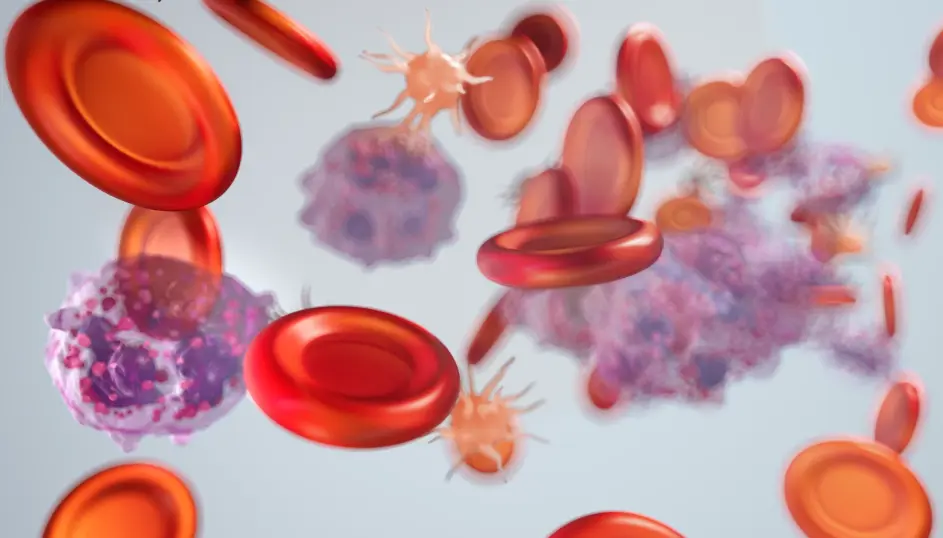
Blood products are components derived from donated blood, essential for medical treatments and transfusions. They include:
– Whole Blood: The entire blood from a donor, used for massive blood loss in emergencies, though less common today due to fractionation.
– Red Blood Cells (RBCs): Concentrated cells that carry oxygen; primarily used for anemia, surgery, or trauma to improve oxygen delivery without increasing volume.
– Platelets: Small cell fragments that aid clotting; administered to patients with low platelet counts, such as those with leukemia, chemotherapy, or injuries.
– Fresh Frozen Plasma (FFP): Plasma containing clotting factors; used for bleeding disorders, liver disease, or to reverse anticoagulation effects.
– Cryoprecipitate: A plasma derivative rich in clotting factors like fibrinogen; employed for hemophilia, disseminated intravascular coagulation (DIC), or severe bleeding.
– Other Products: Include albumin (for fluid replacement), immunoglobulins (for immune deficiencies), and factor concentrates (for specific coagulation disorders).
Production Process: Blood is collected from donors, tested for diseases (e.g., HIV, hepatitis), and separated via centrifugation into components. These are stored under controlled conditions—RBCs at 1-6°C, platelets at room temperature with agitation, and plasma frozen.
Uses and Indications: Blood products treat conditions like hemorrhage, surgical blood loss, hematological disorders, and immune deficiencies. They are vital in hospitals, emergencies, and chronic care.
Safety Considerations: Screening for infections, ABO/Rh compatibility, and proper storage minimize risks like transfusion reactions or disease transmission. Alternatives, such as synthetic blood substitutes, are emerging but not yet widespread.
Table of Contents
- Part 1: Best AI Quiz Making Software for Creating A Blood Products Quiz
- Part 2: 20 Blood Products Quiz Questions & Answers
- Part 3: OnlineExamMaker AI Question Generator: Generate Questions for Any Topic
Part 1: Best AI Quiz Making Software for Creating A Blood Products Quiz
OnlineExamMaker is a powerful AI-powered assessment platform to create auto-grading Blood Products skills assessments. It’s designed for educators, trainers, businesses, and anyone looking to generate engaging quizzes without spending hours crafting questions manually. The AI Question Generator feature allows you to input a topic or specific details, and it generates a variety of question types automatically.
Top features for assessment organizers:
● Combines AI webcam monitoring to capture cheating activities during online exam.
● Enhances assessments with interactive experience by embedding video, audio, image into quizzes and multimedia feedback.
● Once the exam ends, the exam scores, question reports, ranking and other analytics data can be exported to your device in Excel file format.
● API and SSO help trainers integrate OnlineExamMaker with Google Classroom, Microsoft Teams, CRM and more.
Automatically generate questions using AI
Part 2: 20 Blood Products Quiz Questions & Answers
or
Question 1:
What is the primary component of packed red blood cells (PRBCs)?
A. Platelets
B. Red blood cells
C. Plasma proteins
D. White blood cells
Correct Answer: B
Explanation: Packed red blood cells are prepared by removing most of the plasma from whole blood, leaving concentrated red blood cells to primarily increase oxygen-carrying capacity in the recipient.
Question 2:
Which blood product is most commonly used to treat hemophilia A?
A. Fresh frozen plasma
B. Cryoprecipitate
C. Platelets
D. Albumin
Correct Answer: B
Explanation: Cryoprecipitate contains factor VIII, which is deficient in hemophilia A, making it effective for controlling bleeding in affected patients.
Question 3:
What is the typical storage temperature for fresh frozen plasma?
A. 1-6°C
B. -18°C or lower
C. 20-24°C
D. 37°C
Correct Answer: B
Explanation: Fresh frozen plasma is stored at -18°C or lower to preserve clotting factors and other plasma proteins until it is thawed for use.
Question 4:
Which blood product is used to correct coagulopathy in patients with liver disease?
A. Red blood cells
B. Platelets
C. Fresh frozen plasma
D. Granulocytes
Correct Answer: C
Explanation: Fresh frozen plasma provides clotting factors that are often deficient in liver disease, helping to restore normal coagulation.
Question 5:
What is the shelf life of platelet concentrates at room temperature with agitation?
A. 24 hours
B. 5 days
C. 42 days
D. 1 year
Correct Answer: B
Explanation: Platelet concentrates must be stored at 20-24°C with agitation to maintain viability, and they have a shelf life of up to 5 days to minimize bacterial growth risk.
Question 6:
Which blood product is derived from plasma and used to expand volume in hypovolemic shock?
A. Cryoprecipitate
B. Albumin
C. Red blood cells
D. Whole blood
Correct Answer: B
Explanation: Albumin is a plasma-derived product that acts as a colloid to maintain oncotic pressure and expand intravascular volume in cases of shock.
Question 7:
What is the main risk associated with transfusing ABO-incompatible blood products?
A. Iron overload
B. Hemolytic transfusion reaction
C. Thrombocytopenia
D. Hypocalcemia
Correct Answer: B
Explanation: ABO incompatibility can lead to a hemolytic transfusion reaction, where the recipient’s antibodies attack the donor red blood cells, causing rapid hemolysis.
Question 8:
Which blood product contains von Willebrand factor and is used for von Willebrand disease?
A. Fresh frozen plasma
B. Cryoprecipitate
C. Platelets
D. Immunoglobulins
Correct Answer: B
Explanation: Cryoprecipitate is rich in von Willebrand factor, making it a suitable treatment for bleeding episodes in von Willebrand disease.
Question 9:
How is whole blood typically processed before transfusion?
A. It is frozen immediately
B. It is separated into components
C. It is heated to 56°C
D. It is irradiated
Correct Answer: B
Explanation: Whole blood is often separated into components like red blood cells, plasma, and platelets to allow for targeted therapy and reduce waste.
Question 10:
What is the primary indication for transfusing granulocytes?
A. Anemia
B. Severe neutropenia with infection
C. Coagulation disorders
D. Hypovolemia
Correct Answer: B
Explanation: Granulocytes are transfused to provide temporary neutrophil support in patients with severe neutropenia who are at high risk of bacterial infections.
Question 11:
Which blood product requires irradiation to prevent graft-versus-host disease?
A. Albumin
B. Platelets from a directed donor
C. Cryoprecipitate
D. Fresh frozen plasma
Correct Answer: B
Explanation: Platelets from directed donors, especially if the donor is a close relative, are irradiated to destroy lymphocytes that could cause graft-versus-host disease.
Question 12:
What is the typical volume of a unit of packed red blood cells?
A. 50-100 mL
B. 200-300 mL
C. 500-600 mL
D. 1000 mL
Correct Answer: B
Explanation: A unit of packed red blood cells usually contains about 200-300 mL, which is designed to minimize volume overload while providing oxygen-carrying capacity.
Question 13:
Which blood product is used to treat immune thrombocytopenic purpura (ITP)?
A. Red blood cells
B. Intravenous immunoglobulins
C. Fresh frozen plasma
D. Cryoprecipitate
Correct Answer: B
Explanation: Intravenous immunoglobulins help block antibody-mediated platelet destruction, making them a standard treatment for ITP.
Question 14:
What pathogen is most commonly screened for in blood products?
A. HIV
B. Malaria
C. Hepatitis B and C
D. All of the above
Correct Answer: D
Explanation: Blood products are routinely screened for multiple pathogens, including HIV, hepatitis B and C, and others, to ensure safety and reduce transmission risks.
Question 15:
Which blood product has the shortest shelf life after thawing?
A. Albumin
B. Fresh frozen plasma
C. Cryoprecipitate
D. Platelets
Correct Answer: C
Explanation: Cryoprecipitate must be used within 4-6 hours after thawing to prevent degradation of labile clotting factors.
Question 16:
What is the purpose of leukoreduction in blood products?
A. To remove red blood cells
B. To reduce white blood cell content
C. To increase platelet count
D. To add preservatives
Correct Answer: B
Explanation: Leukoreduction filters out white blood cells to minimize febrile reactions, HLA alloimmunization, and cytomegalovirus transmission.
Question 17:
Which blood product is contraindicated in patients with IgA deficiency?
A. Platelets
B. Red blood cells
C. Fresh frozen plasma
D. Albumin
Correct Answer: C
Explanation: Fresh frozen plasma contains IgA, which can trigger anaphylactic reactions in IgA-deficient patients with anti-IgA antibodies.
Question 18:
How does washing red blood cells benefit certain patients?
A. It removes plasma proteins
B. It increases hemoglobin levels
C. It adds electrolytes
D. It prevents bacterial growth
Correct Answer: A
Explanation: Washing red blood cells removes plasma proteins, reducing the risk of allergic reactions in patients with allergies or those requiring repeated transfusions.
Question 19:
What is the primary use of prothrombin complex concentrates?
A. Treating anemia
B. Reversing warfarin-induced bleeding
C. Increasing platelet function
D. Managing hypovolemia
Correct Answer: B
Explanation: Prothrombin complex concentrates provide vitamin K-dependent clotting factors to rapidly reverse anticoagulation in warfarin-treated patients.
Question 20:
Which factor is not typically found in cryoprecipitate?
A. Factor VIII
B. Factor XIII
C. Fibrinogen
D. Factor IX
Correct Answer: D
Explanation: Cryoprecipitate contains factor VIII, factor XIII, fibrinogen, and von Willebrand factor, but not factor IX, which is found in other plasma-derived products.
or
Part 3: OnlineExamMaker AI Question Generator: Generate Questions for Any Topic
Automatically generate questions using AI