The baggage industry encompasses the design, manufacturing, distribution, and handling of luggage, suitcases, backpacks, and related travel accessories. It plays a crucial role in global travel and logistics, serving airlines, hotels, transportation companies, and individual consumers. Key segments include:
– Manufacturing and Retail: Companies produce durable, lightweight materials like polycarbonate, nylon, and aluminum, incorporating features such as smart locks, expandable compartments, and TSA-approved designs. Major players like Samsonite, Tumi, and Rimowa dominate, blending functionality with fashion trends.
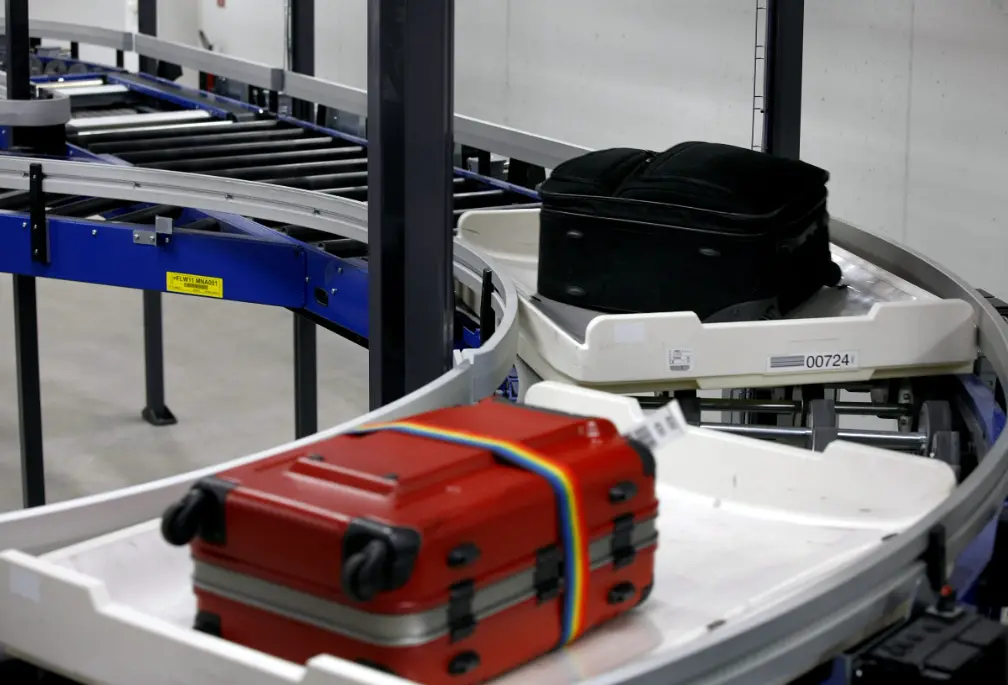
– Airline and Logistics Handling: This involves baggage check-in systems, conveyor belts, and tracking technologies to manage millions of bags daily. Innovations like RFID tags and automated sorting reduce lost luggage incidents, enhancing efficiency.
– Economic Impact: Valued at over $50 billion globally, the industry drives employment in production, e-commerce, and services, while adapting to eco-friendly materials amid rising sustainability demands.
– Trends and Challenges: With the rise of budget travel and e-commerce, there’s a shift toward affordable, versatile products. However, issues like overpacking fees, security regulations, and environmental concerns are pushing for smarter, greener solutions.
Table of Contents
- Part 1: OnlineExamMaker – Generate and Share Baggage Industry Quiz with AI Automatically
- Part 2: 20 Baggage Industry Quiz Questions & Answers
- Part 3: Save Time and Energy: Generate Quiz Questions with AI Technology
Part 1: OnlineExamMaker – Generate and Share Baggage Industry Quiz with AI Automatically
OnlineExamMaker is a powerful AI-powered assessment platform to create auto-grading Baggage Industry skills assessments. It’s designed for educators, trainers, businesses, and anyone looking to generate engaging quizzes without spending hours crafting questions manually. The AI Question Generator feature allows you to input a topic or specific details, and it generates a variety of question types automatically.
Top features for assessment organizers:
● Prevent cheating by randomizing questions or changing the order of questions, so learners don’t get the same set of questions each time.
● AI Exam Grader for efficiently grading quizzes and assignments, offering inline comments, automatic scoring, and “fudge points” for manual adjustments.
● Embed quizzes on websites, blogs, or share via email, social media (Facebook, Twitter), or direct links.
● Handles large-scale testing (thousands of exams/semester) without internet dependency, backed by cloud infrastructure.
Automatically generate questions using AI
Part 2: 20 Baggage Industry Quiz Questions & Answers
or
1. Question: What is the primary function of a baggage handling system in an airport?
A) To check passenger tickets
B) To transport and sort luggage efficiently
C) To provide seating for passengers
D) To handle in-flight meals
Answer: B
Explanation: Baggage handling systems are designed to automate the movement, sorting, and delivery of luggage from check-in to the aircraft and vice versa, ensuring efficiency and reducing errors.
2. Question: Which type of baggage is typically allowed in the cabin of an aircraft?
A) Oversized cargo
B) Carry-on baggage
C) Checked baggage
D) Hazardous materials
Answer: B
Explanation: Carry-on baggage is designed to be taken into the passenger cabin, adhering to size and weight limits to fit in overhead bins or under seats.
3. Question: What does the IATA code “ULD” stand for in the baggage and cargo industry?
A) Universal Luggage Device
B) Unit Load Device
C) International Airport Transport
D) Unified Logistics Distribution
Answer: B
Explanation: ULD refers to Unit Load Devices, which are containers or pallets used to load luggage, cargo, and mail onto aircraft for efficient transport.
4. Question: Which factor most commonly leads to lost baggage in the airline industry?
A) Incorrect passenger boarding
B) Mishandling during transfer between flights
C) Overbooking of flights
D) Weather delays
Answer: B
Explanation: Mishandling during transfer, such as at connecting airports, is a leading cause of lost baggage due to human error or system failures.
5. Question: What is the standard maximum dimension for carry-on baggage on most airlines?
A) 50 cm x 50 cm x 50 cm
B) 55 cm x 40 cm x 20 cm
C) 100 cm x 100 cm x 100 cm
D) 30 cm x 30 cm x 30 cm
Answer: B
Explanation: The standard carry-on size is approximately 55 cm x 40 cm x 20 cm to ensure it fits in overhead compartments, though this varies by airline.
6. Question: In the baggage industry, what is a “baggage tag”?
A) A decorative item on luggage
B) A label with tracking information
C) A type of luggage material
D) A security seal
Answer: B
Explanation: A baggage tag is a label attached to luggage that contains barcodes or QR codes for tracking and identification throughout the handling process.
7. Question: Which technology is increasingly used for tracking baggage in airports?
A) Radio Frequency Identification (RFID)
B) Compact Discs (CDs)
C) Fax machines
D) Typewriters
Answer: A
Explanation: RFID technology allows for real-time tracking of baggage, reducing loss rates by enabling automatic scanning and monitoring.
8. Question: What is the purpose of baggage reconciliation in airport operations?
A) To weigh all baggage accurately
B) To ensure all checked baggage matches passengers on board
C) To clean luggage before flights
D) To sort baggage by color
Answer: B
Explanation: Baggage reconciliation verifies that all checked bags belong to passengers who have boarded, enhancing security and preventing unauthorized items.
9. Question: Which international regulation governs dangerous goods in baggage?
A) FAA Guidelines
B) IATA Dangerous Goods Regulations
C) WHO Health Standards
D) EU Travel Policies
Answer: B
Explanation: IATA’s Dangerous Goods Regulations outline how hazardous materials must be handled in baggage to ensure safety during transport.
10. Question: What is “excess baggage” in the airline industry?
A) Luggage that is damaged
B) Baggage that exceeds weight or size limits
C) Free checked bags
D) Carry-on items
Answer: B
Explanation: Excess baggage refers to items that go beyond the airline’s standard allowances, requiring additional fees for transport.
11. Question: How does the baggage industry contribute to environmental sustainability?
A) By increasing plastic use
B) Through lightweight materials and recycling programs
C) By expanding airport sizes
D) By ignoring carbon emissions
Answer: B
Explanation: The industry promotes sustainable practices like using eco-friendly materials and recycling to reduce the environmental impact of luggage production and handling.
12. Question: What role do conveyor belts play in baggage handling?
A) They store baggage overnight
B) They transport baggage between different areas
C) They scan for viruses
D) They provide passenger entertainment
Answer: B
Explanation: Conveyor belts are essential for moving baggage efficiently from check-in counters to sorting areas and aircraft loading zones.
13. Question: Which company is a major manufacturer of baggage handling systems?
A) Apple Inc.
B) Siemens AG
C) Coca-Cola Company
D) Toyota Motor Corporation
Answer: B
Explanation: Siemens AG is known for designing and implementing advanced baggage handling systems used in airports worldwide.
14. Question: What is the typical liability limit for lost baggage under the Montreal Convention?
A) $100 per bag
B) $1,000 per passenger
C) $20 per kilogram
D) Unlimited
Answer: C
Explanation: The Montreal Convention sets a liability limit of approximately $20 per kilogram for lost or damaged baggage, providing a standard for international claims.
15. Question: In baggage processing, what is a “carousel”?
A) A type of luggage lock
B) A rotating belt for retrieving baggage
C) A security checkpoint
D) An airport shuttle
Answer: B
Explanation: A carousel is a conveyor system in baggage claim areas where passengers retrieve their luggage after a flight.
16. Question: Why are baggage fees implemented by airlines?
A) To fund in-flight meals
B) To cover the costs of handling and transportation
C) To limit passenger numbers
D) To promote walking
Answer: B
Explanation: Baggage fees help airlines offset the expenses related to checking, handling, and transporting luggage, especially with rising fuel costs.
17. Question: What innovation has reduced baggage mishandling rates in recent years?
A) Manual sorting
B) Automated tracking systems
C) Paper tickets
D) Verbal announcements
Answer: B
Explanation: Automated tracking systems, like RFID and GPS, have significantly lowered mishandling by providing real-time location data.
18. Question: Which factor influences the design of baggage for the industry?
A) Fashion trends only
B) Durability, weight, and security features
C) Passenger height
D) Airplane color
Answer: B
Explanation: Baggage design prioritizes durability to withstand travel stresses, lightweight materials for ease of handling, and security features like locks.
19. Question: What is the impact of peak travel seasons on the baggage industry?
A) Decreased demand for luggage
B) Increased strain on handling systems and higher loss rates
C) Slower production of bags
D) Reduced airport traffic
Answer: B
Explanation: During peak seasons, higher volumes of baggage lead to greater demands on systems, potentially increasing errors and loss if not managed properly.
20. Question: How does the baggage industry ensure compliance with security regulations?
A) By ignoring X-ray scans
B) Through screening and tagging processes
C) By allowing unchecked items
D) Via passenger surveys
Answer: B
Explanation: The industry uses screening technologies and proper tagging to comply with security regulations, preventing prohibited items from being transported.
or
Part 3: Save Time and Energy: Generate Quiz Questions with AI Technology
Automatically generate questions using AI