Aquaculture, also known as fish farming, is the controlled cultivation of aquatic organisms such as fish, shellfish, algae, and plants in controlled environments like ponds, tanks, or ocean enclosures. It has evolved as a critical component of global food production, supplementing wild fisheries that are increasingly strained by overfishing and environmental changes.
Historically, aquaculture dates back thousands of years, with early practices in ancient China involving the farming of carp in ponds. By the 20th century, it expanded globally, driven by technological advancements and rising demand for seafood. Today, it accounts for over 50% of the world’s fish supply, with major producers including China, India, and Norway.
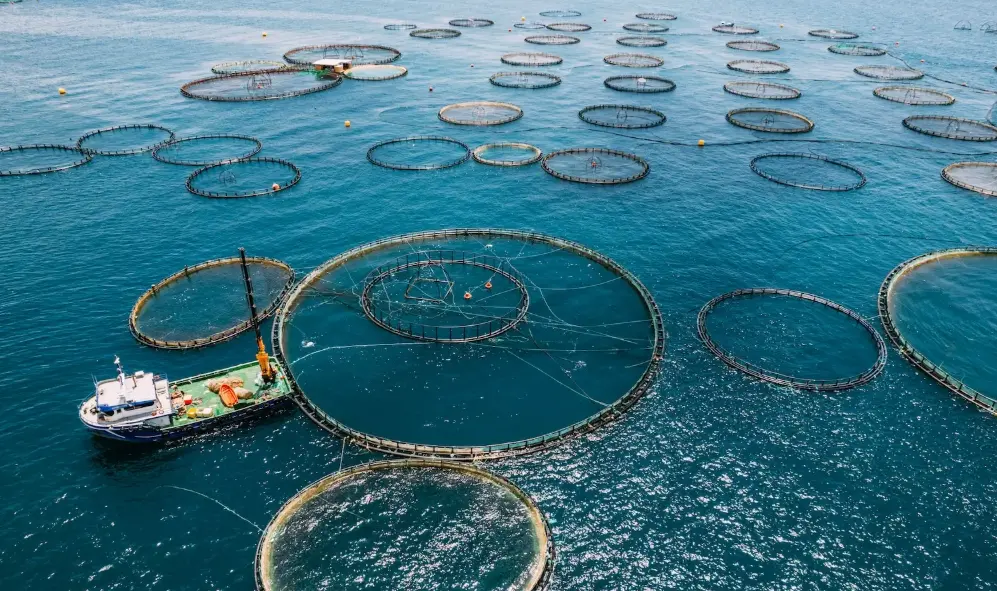
There are several types of aquaculture, including freshwater systems (e.g., raising tilapia in lakes or ponds), marine or saltwater operations (e.g., salmon farming in net pens), and integrated multi-trophic aquaculture (IMTA), which combines species to recycle waste and enhance sustainability. Other forms include recirculating aquaculture systems (RAS) for indoor farming and extensive methods like rice-fish co-culture.
Benefits of aquaculture include improved food security by providing a reliable protein source, economic opportunities for rural communities, and reduced pressure on wild stocks. It also supports biodiversity conservation and can incorporate eco-friendly practices, such as using renewable energy in operations.
However, challenges persist, including disease outbreaks, water pollution from feed and waste, antibiotic resistance, and competition for water resources. Overcrowding in farms can lead to environmental degradation, prompting the need for stricter regulations and innovations like bio-secure systems.
Looking ahead, sustainable aquaculture is a key focus, with advancements in genetics, automation, and circular economy models aimed at minimizing impacts. Initiatives like the FAO’s Blue Growth strategy emphasize responsible practices to ensure aquaculture meets growing global demands without harming ecosystems.
Table of Contents
- Part 1: Best AI Quiz Making Software for Creating A Aquaculture Farming Quiz
- Part 2: 20 Aquaculture Farming Quiz Questions & Answers
- Part 3: Automatically Generate Quiz Questions Using AI Question Generator
Part 1: Best AI Quiz Making Software for Creating A Aquaculture Farming Quiz
OnlineExamMaker is a powerful AI-powered assessment platform to create auto-grading Aquaculture Farming skills assessments. It’s designed for educators, trainers, businesses, and anyone looking to generate engaging quizzes without spending hours crafting questions manually. The AI Question Generator feature allows you to input a topic or specific details, and it generates a variety of question types automatically.
Top features for assessment organizers:
● Combines AI webcam monitoring to capture cheating activities during online exam.
● Enhances assessments with interactive experience by embedding video, audio, image into quizzes and multimedia feedback.
● Once the exam ends, the exam scores, question reports, ranking and other analytics data can be exported to your device in Excel file format.
● API and SSO help trainers integrate OnlineExamMaker with Google Classroom, Microsoft Teams, CRM and more.
Automatically generate questions using AI
Part 2: 20 Aquaculture Farming Quiz Questions & Answers
or
1. Question: What is the primary purpose of aquaculture?
Options:
A) To harvest wild fish populations
B) To cultivate aquatic organisms in controlled environments
C) To study marine biodiversity
D) To clean polluted waterways
Answer: B
Explanation: Aquaculture focuses on breeding, rearing, and harvesting fish, shellfish, and plants in controlled settings to meet food demands sustainably, reducing pressure on wild stocks.
2. Question: Which species is most commonly farmed in freshwater aquaculture?
Options:
A) Salmon
B) Tilapia
C) Shrimp
D) Oysters
Answer: B
Explanation: Tilapia thrives in freshwater systems, is fast-growing, and adaptable, making it a staple in global freshwater aquaculture for its high yield and market demand.
3. Question: What is the main advantage of recirculating aquaculture systems (RAS)?
Options:
A) They require large amounts of natural water
B) They minimize water usage and waste through filtration
C) They are only suitable for marine species
D) They increase disease spread among fish
Answer: B
Explanation: RAS recycles water by filtering and treating it, conserving resources and reducing environmental impact while maintaining optimal conditions for fish health.
4. Question: In aquaculture, what does “polyculture” refer to?
Options:
A) Growing a single species in isolation
B) Cultivating multiple species together in the same system
C) Harvesting fish from wild oceans
D) Using chemicals to control pests
Answer: B
Explanation: Polyculture involves raising different compatible species simultaneously, which can enhance ecosystem balance, improve resource use, and boost overall productivity.
5. Question: Which factor is most critical for successful shrimp farming?
Options:
A) High salinity levels
B) Cold water temperatures
C) Maintaining optimal water quality and disease control
D) Limited feeding schedules
Answer: C
Explanation: Shrimp are sensitive to water conditions; proper management of pH, oxygen, and pathogens is essential to prevent diseases and ensure high survival rates.
6. Question: What is the role of probiotics in aquaculture?
Options:
A) To increase water acidity
B) To enhance fish growth and disease resistance
C) To attract predators
D) To reduce oxygen levels
Answer: B
Explanation: Probiotics introduce beneficial microorganisms that improve gut health in aquatic animals, boost immunity, and reduce the need for antibiotics, promoting sustainable practices.
7. Question: Why is integrated multi-trophic aquaculture (IMTA) considered environmentally friendly?
Options:
A) It wastes nutrients from feed
B) It combines species that recycle waste from one another
C) It requires more chemical inputs
D) It depletes local water resources
Answer: B
Explanation: IMTA links species like fish, shellfish, and algae in a system where waste from one is used as food for another, minimizing pollution and enhancing ecological balance.
8. Question: What is the biggest challenge in marine cage farming?
Options:
A) Overcrowding of cages
B) Escapes of farmed fish and disease transmission to wild populations
C) Excessive freshwater supply
D) Low market demand
Answer: B
Explanation: Escaped fish can interbreed with wild stocks or spread diseases, highlighting the need for secure cages and biosecurity measures in open-water farming.
9. Question: Which method is used to induce spawning in fish like carp?
Options:
A) Natural mating in rivers
B) Hormonal injections
C) Starvation techniques
D) Exposure to sunlight
Answer: B
Explanation: Hormonal treatments simulate breeding conditions, allowing controlled spawning in aquaculture to increase fry production and manage reproduction cycles.
10. Question: What does “biofloc technology” involve in aquaculture?
Options:
A) Using synthetic feeds only
B) Cultivating microbial flocs to improve water quality and provide nutrition
C) Releasing fish into open seas
D) Heating water artificially
Answer: B
Explanation: Biofloc systems encourage the growth of beneficial bacteria and algae that convert waste into protein-rich flocs, which fish consume, reducing feed costs and pollution.
11. Question: How does climate change impact aquaculture?
Options:
A) It has no effect on water temperatures
B) It can alter water temperatures, affecting fish growth and disease prevalence
C) It increases freshwater availability
D) It eliminates the need for feeding
Answer: B
Explanation: Rising temperatures can stress fish, promote algal blooms, and spread pathogens, requiring adaptive strategies like selective breeding for resilient species.
12. Question: What is the primary feed source for carnivorous fish in aquaculture?
Options:
A) Algae and plants
B) Fishmeal and fish oil from wild sources
C) Fruits and vegetables
D) Insects only
Answer: B
Explanation: Carnivorous species like salmon rely on protein-rich fishmeal, though sustainable alternatives are being developed to reduce pressure on wild fisheries.
13. Question: In pond aquaculture, what is the purpose of liming?
Options:
A) To add nutrients for fish growth
B) To adjust pH and control pathogens in the water
C) To increase water depth
D) To attract birds
Answer: B
Explanation: Liming raises pH levels and neutralizes acidity, helping to eliminate harmful bacteria and improve conditions for fish health and productivity.
14. Question: Which certification ensures sustainable aquaculture practices?
Options:
A) ISO 9001
B) ASC (Aquaculture Stewardship Council)
C) FDA approval
D) Organic farming label
Answer: B
Explanation: ASC certification verifies that farms meet environmental, social, and animal welfare standards, promoting responsible aquaculture and market access.
15. Question: What is “monoculture” in the context of aquaculture?
Options:
A) Growing multiple species together
B) Farming a single species in a dedicated system
C) Using natural ponds only
D) Rotating crops annually
Answer: B
Explanation: Monoculture simplifies management and harvesting but can lead to disease outbreaks and reduced biodiversity if not managed carefully.
16. Question: How does aeration benefit fish ponds?
Options:
A) It increases water temperature
B) It maintains oxygen levels to prevent fish suffocation
C) It adds minerals to the water
D) It reduces fish feeding
Answer: B
Explanation: Aeration ensures dissolved oxygen is sufficient for fish respiration, especially in densely stocked ponds, preventing stress and mortality.
17. Question: What is the main risk of using antibiotics in aquaculture?
Options:
A) They promote faster growth
B) They can lead to antibiotic-resistant bacteria
C) They improve water clarity
D) They reduce feeding costs
Answer: B
Explanation: Overuse of antibiotics fosters resistant pathogens, which can harm human health and the environment, emphasizing the need for alternative disease controls.
18. Question: Which algae is commonly cultivated in aquaculture for human consumption?
Options:
A) Kelp
B) Blue-green algae (Spirulina)
C) Red tide algae
D) Toxic phytoplankton
Answer: B
Explanation: Spirulina is nutrient-rich and grown in controlled systems for its high protein content, serving as a sustainable food source in aquaculture.
19. Question: What technology is used for monitoring fish health in modern aquaculture?
Options:
A) Manual inspections only
B) Sensors and AI for real-time data on water quality and behavior
C) Paper records
D) Satellite imaging
Answer: B
Explanation: Sensors and AI provide continuous monitoring of parameters like temperature and oxygen, enabling early detection of issues and efficient management.
20. Question: Why is genetic selection important in aquaculture?
Options:
A) To make fish larger and more colorful
B) To breed fish that grow faster, resist diseases, and adapt to conditions
C) To increase dependency on wild stocks
D) To reduce nutritional value
Answer: B
Explanation: Selective breeding enhances desirable traits, improving productivity, sustainability, and resilience against environmental challenges in farmed species.
or
Part 3: Automatically generate quiz questions using OnlineExamMaker AI Question Generator
Automatically generate questions using AI